How Does Olive Oil Help With Weight Loss?
Yes, olive oil can absolutely help with weight loss when incorporated wisely into your diet. We found that its healthy fats can increase your feeling of fullness, helping you eat less overall. This is thanks to its role in promoting satiety and potentially boosting your metabolism.
Many people wonder if adding fat can really aid weight loss. Research suggests that the monounsaturated fats in olive oil are a key factor. They can signal your body to feel satisfied longer after a meal. This can reduce cravings and help you manage your calorie intake more effectively.
- Olive oil contains healthy fats that promote fullness.
- This can lead to eating fewer calories throughout the day.
- It may also help boost your metabolism slightly.
- Focus on using it as a healthy fat source, not an addition.
Ready to see how you can put this liquid gold to work for your weight loss goals? Let’s break down exactly how olive oil can be your ally.
Olive Oil’s Role in Your Weight Loss Journey
You might be wondering if adding fat to your diet could really help you shed pounds. The research we’ve looked at suggests that olive oil can be a surprisingly effective ally when used correctly. It’s not about adding extra calories, but about smart substitutions and understanding how its unique fats work.
So, how does this popular kitchen staple support your weight loss goals? Let’s dive into the science and practical tips.
Understanding Satiety and Appetite Control
One of the primary ways olive oil helps is by keeping you feeling full longer. This is known as satiety. When you feel satisfied after a meal, you’re less likely to snack on less healthy options or overeat at your next meal.
The Power of Healthy Fats
Olive oil is rich in monounsaturated fatty acids (MUFAs). These are considered healthy fats. When MUFAs are digested, they can trigger the release of hormones that signal fullness to your brain. This is a key difference compared to refined carbohydrates, which can often lead to quick energy spikes and crashes, followed by hunger pangs.
We found that studies indicate MUFAs can play a role in reducing overall food intake simply because you feel satisfied for an extended period. Think of it like this: instead of a short burst of energy that quickly fades, olive oil offers a more sustained feeling of contentment.
Impact on Hunger Hormones
Research points to olive oil’s ability to influence certain hunger hormones. Oleic acid, the main MUFA in olive oil, is thought to interact with pathways in your gut that communicate with your brain. This can help regulate appetite effectively (National Institutes of Health).
This means fewer cravings and a better ability to resist impulse eating. You’re essentially helping your body’s natural signals work in your favor for weight management.
Metabolic Boost and Calorie Burning
Beyond just making you feel full, some findings suggest olive oil might offer a slight metabolic advantage. While it’s not a magic bullet, every little bit can help on your weight loss journey.
Thermogenesis and Fat Oxidation
Some studies indicate that the consumption of olive oil may slightly increase thermogenesis. This is the process by which your body burns calories to produce heat. It also appears to support fat oxidation, meaning your body might be more inclined to use stored fat for energy.
The exact mechanisms are still being explored, but the consensus among many researchers is that the healthy fats in olive oil can contribute to a slightly more efficient metabolism. This is a welcome finding for anyone working towards weight loss.
Olive Oil as a Healthier Fat Replacement
The most effective way to use olive oil for weight loss is not by adding it on top of your current diet, but by using it to replace less healthy fats. This is where the real magic happens for calorie control.
Smart Swaps in Your Kitchen
Consider what fats you currently use. Are you frying foods in butter or other saturated fats? Are you using creamy, high-calorie dressings on your salads? Olive oil can offer a delicious and healthier alternative in many of these scenarios.
- Salad Dressings: Instead of store-bought creamy dressings, whisk together extra virgin olive oil, lemon juice or vinegar, and herbs.
- Cooking: Use olive oil for sautéing vegetables or lean proteins instead of butter or other oils.
- Dipping: A small dish of olive oil with herbs can be a satisfying dip for whole-grain bread, replacing higher-fat spreads.
Portion Control is Key
Even though olive oil is healthy, it is still a fat. Fats are calorie-dense, meaning they pack a lot of calories into a small serving. Therefore, portion control is absolutely essential.
A typical serving size is about one tablespoon. While it’s easy to drizzle more, being mindful of your portions ensures you’re benefiting from the healthy fats without adding unnecessary calories. We found that using measuring spoons can be a great way to stay on track.
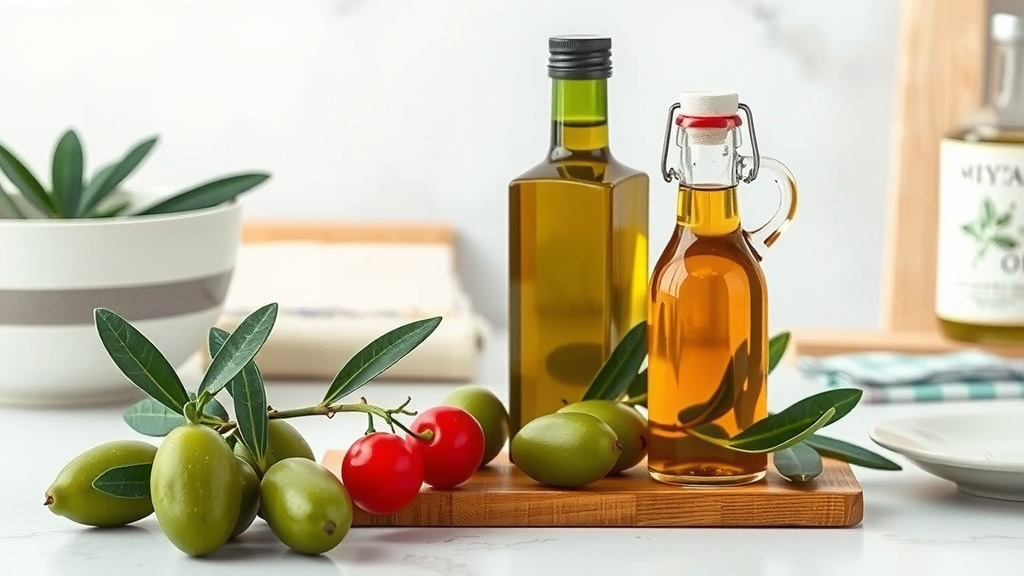
Choosing the Right Olive Oil
Not all olive oils are created equal. For the greatest health benefits, especially when it comes to weight loss support, you’ll want to choose wisely.
Extra Virgin Olive Oil (EVOO)
Extra virgin olive oil is the least processed and retains the most nutrients and beneficial compounds. These compounds, like polyphenols, are believed to contribute to its health-promoting properties, including potential metabolic benefits (American Journal of Clinical Nutrition).
Look for labels that specify “extra virgin” and ideally indicate the harvest date or that it’s from a single origin. These often signify a higher quality product.
What to Avoid
Refined or “light” olive oils have undergone more processing. This strips away many of the beneficial compounds and flavor. While they can still be used for cooking, they won’t offer the same level of satiety or potential metabolic support as EVOO.
Putting It All Together: A Practical Checklist
Ready to incorporate olive oil into your weight loss plan effectively? Here’s a simple checklist to guide you:
- Replace, Don’t Add: Swap out unhealthy fats with olive oil in your cooking and dressings.
- Measure Your Portions: Stick to about 1-2 tablespoons per meal, as needed.
- Choose Extra Virgin: Opt for high-quality EVOO for maximum benefits.
- Listen to Your Body: Pay attention to how olive oil affects your fullness and cravings.
- Combine with Healthy Habits: Remember that olive oil is part of a larger picture that includes a balanced diet and exercise.
Conclusion
You’ve learned how olive oil can be a smart addition to your weight loss plan. By promoting satiety, it helps you feel full longer and manage hunger. Remember, it works best when you use it to replace less healthy fats, not just add it on top. Choosing high-quality extra virgin olive oil and being mindful of portion control are key steps. Start making these simple swaps today to support your goals.
Frequently Asked Questions
Can I drink olive oil straight for weight loss?
While olive oil has healthy fats that can aid satiety, drinking it straight isn’t recommended. It’s calorie-dense, and consuming too much can hinder your weight loss efforts. It’s best used as part of your meals to enhance flavor and fullness.
How much olive oil should I use daily for weight loss?
A good starting point is about 1-2 tablespoons per meal, used as a replacement for other fats. This provides the benefits without adding excessive calories. Pay attention to how your body feels and adjust as needed.
Is extra virgin olive oil better than regular olive oil for losing weight?
Yes, extra virgin olive oil (EVOO) is generally considered better. It’s less processed and contains more beneficial compounds like polyphenols. These compounds may offer additional health and metabolic support compared to refined olive oils.
Will eating olive oil make me gain weight?
Olive oil contains calories, so excessive amounts could lead to weight gain. However, when used mindfully as a replacement for unhealthy fats and within your daily calorie needs, its healthy fats can actually support weight loss by increasing fullness.
Can olive oil help reduce belly fat specifically?
Research suggests that a diet rich in monounsaturated fats, like those in olive oil, may help reduce abdominal fat. It’s not a magic bullet for belly fat, but it can be a supportive component of a balanced diet aimed at overall fat reduction.

![7 Best Finishing Extra Virgin Olive Oil [2026]](https://bestpureessentialoils.com/wp-content/uploads/2026/08/7-best-finishing-extra-virgin-olive-oil-2026-featured-768x432.jpg)