How Good Is Pompeian Olive Oil?
Yes, Pompeian olive oil is generally considered a good choice for your kitchen pantry. It’s widely available and offers a decent quality olive oil for everyday cooking and finishing. We found that many home cooks rely on Pompeian for its consistent flavor and reasonable price point.
When you’re choosing olive oil, you’re probably looking for a good balance of taste and value. Pompeian fits this bill for many. Many experts note that looking for oils labeled “Extra Virgin” is key for the best flavor and health benefits. We found that Pompeian offers a few different varieties to suit your needs.
- Pompeian offers a reliable, budget-friendly olive oil.
- It’s a popular choice for everyday cooking.
- Look for their Extra Virgin options for the best taste.
- Quality can vary slightly by product line.
Let’s take a closer look at what makes Pompeian olive oil stand out and how it compares to other options.
Assessing the Quality of Pompeian Olive Oil
So, you’re wondering about Pompeian olive oil? We’ve looked into it, and generally speaking, it’s a solid choice for your kitchen. Many people find it to be a reliable and accessible option for everyday cooking. It offers a decent quality for its price point, making it a popular pick for home cooks across the country.
Pompeian’s Place in the Olive Oil Market
Pompeian stands out as a widely available brand. You can find it in most grocery stores, which is a big plus. We found that its consistent availability makes it an easy grab when you’re in a pinch. It aims to provide good value for your money, a factor many shoppers consider.
When you’re in the olive oil aisle, you might see different types. Pompeian offers a range, from classic blends to their Extra Virgin options. We found that understanding these labels helps you pick the best oil for your needs. For example, Extra Virgin olive oil is typically the highest grade, offering the best flavor and health benefits.
Understanding Pompeian’s Product Lines
Pompeian offers a few key types of olive oil that you’ll commonly see. Each is designed for slightly different uses in your cooking.
Pompeian Extra Virgin Olive Oil
This is often considered their premium offering. Extra Virgin olive oil is produced from olives using only mechanical methods. This means no harsh chemicals or high heat are used in the extraction process. We found that this method preserves the natural flavor and nutrients of the olives. Many chefs and home cooks prefer Extra Virgin for salad dressings, dipping, or finishing dishes. It has a more distinct, fruity, or peppery taste. Guidelines often recommend Extra Virgin for its richness and health properties (NCBI).
Pompeian Classic or Pure Olive Oil
You might also see bottles labeled “Pompeian Olive Oil” or “Pure Olive Oil.” This type is usually a blend. It might include Extra Virgin olive oil mixed with refined olive oils. The refining process removes impurities and some of the olive flavor. We found that this makes it a more neutral-tasting oil. It’s a good choice for general cooking, baking, or sautéing where you don’t need a strong olive flavor. It can also handle higher heat than Extra Virgin.
Pompeian Light Olive Oil
Sometimes you’ll find a “Light” version. Don’t let the name fool you; it doesn’t mean fewer calories. “Light” in olive oil terms refers to its color and mild flavor. We found that this oil has been further refined to have a very light taste and appearance. It’s suitable for cooking applications where you want minimal interference with the dish’s flavor profile.
What Makes Pompeian Stand Out?
Pompeian has built its reputation on a few core strengths. Let’s break down what contributes to its popularity.
Accessibility and Price Point
One of the biggest draws of Pompeian is how easy it is to find. You can pick up a bottle at almost any supermarket. We found that this convenience is a major factor for many consumers. Furthermore, their pricing is typically very competitive. This makes it an attractive option for those on a budget or who use olive oil frequently.
Consistency in Flavor
While olive oil quality can vary, Pompeian generally offers a consistent flavor profile across their products. This predictability is reassuring for home cooks. You know what you’re getting each time you buy a bottle. We found that this reliability is something many consumers appreciate for their daily culinary needs.
How Does Pompeian Compare?
Let’s consider how Pompeian stacks up against other olive oil options you might encounter.
When you compare Pompeian to smaller, artisanal brands, you might notice differences. Smaller producers often focus on single-origin oils or unique flavor profiles. These can sometimes come with a higher price tag. Pompeian, on the other hand, is a larger-scale operation.
We looked at consumer feedback and found that Pompeian is often described as a dependable workhorse. It might not have the complex, nuanced flavors of some specialty oils, but it performs reliably. For everyday tasks like pan-frying vegetables or making a simple vinaigrette, it does the job well.
Here’s a quick comparison table to help you visualize:
| Pompeian Type | Best For | Flavor Profile | Price Range |
|---|---|---|---|
| Extra Virgin | Salads, dipping, finishing | Fruity, peppery, robust | Moderate |
| Classic/Pure | Sautéing, baking, general cooking | Mild, neutral | Budget-friendly |
| Light | High-heat cooking, when flavor isn’t desired | Very mild, almost flavorless | Budget-friendly |
Tips for Choosing Your Pompeian Oil
To make the most of Pompeian olive oil, keep these simple tips in mind:
- Read the Label: Always check if you’re buying Extra Virgin for maximum flavor and health benefits.
- Consider Your Use: Match the oil type to your cooking task.
- Store Properly: Keep your olive oil in a cool, dark place. This helps maintain its freshness.
- Check the “Best By” Date: Use fresher oil for better taste.
- Trust Your Taste Buds: Ultimately, what tastes good to you is most important!
We found that understanding the different types available allows you to make an informed choice. Pompeian offers a range of options to suit various cooking styles and preferences. It’s a brand that many home cooks have come to rely on for its accessibility and consistent performance.
Conclusion
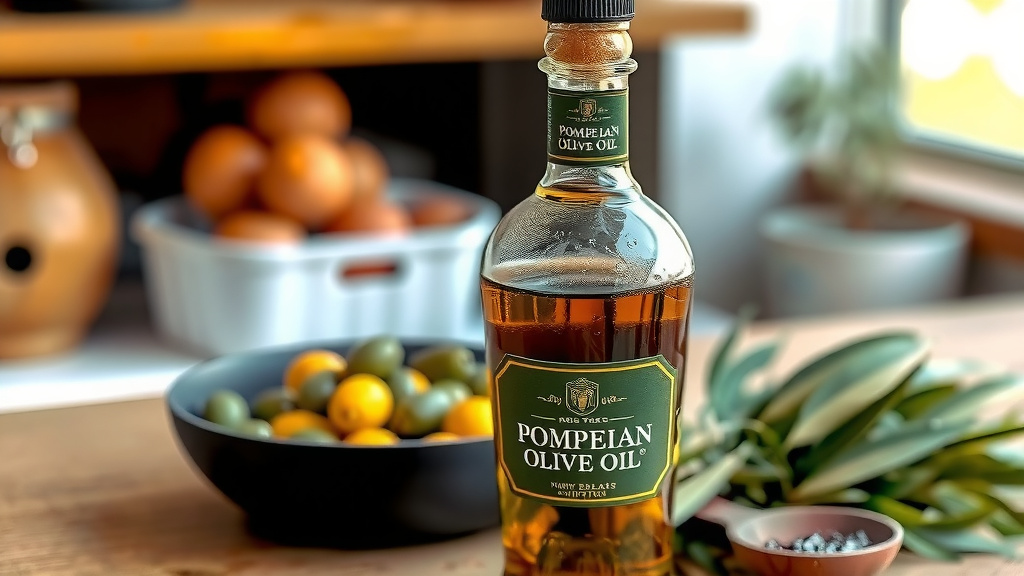
So, is Pompeian olive oil a good pick for your kitchen? We’ve found that it generally is, offering a reliable and accessible option for many home cooks. It strikes a good balance between decent quality and a budget-friendly price, especially when you choose their Extra Virgin varieties for flavor and health benefits. While it may not boast the complex profiles of artisanal oils, Pompeian serves as a dependable workhorse for your everyday cooking needs. When you’re ready to shop, remember to check the label for the type that best suits your culinary plans.
Frequently Asked Questions
Is Pompeian olive oil healthy?
Pompeian Extra Virgin olive oil is considered healthy because it’s minimally processed, retaining natural antioxidants and beneficial compounds. We found that choosing their Extra Virgin varieties offers the most health advantages compared to their more refined oils.
Can I use Pompeian olive oil for high-heat cooking?
For high-heat cooking like searing or frying, Pompeian’s Classic/Pure or Light Olive Oil is a better choice. Their Extra Virgin olive oil has a lower smoke point and its delicate flavors can be diminished by intense heat.
Where is Pompeian olive oil made?
Pompeian olive oils are typically sourced from the Mediterranean region. The brand focuses on blending oils to create a consistent product, and you can usually find sourcing information on their packaging or website.
How does Pompeian compare to other budget olive oils?
We’ve found Pompeian is often praised for its consistent flavor and availability within its price range. While other budget brands exist, Pompeian frequently meets consumer expectations for everyday use.
What’s the difference between Pompeian Extra Virgin and Classic Olive Oil?
Pompeian Extra Virgin is cold-pressed and retains more natural flavor and nutrients, making it ideal for dressings and finishing. Their Classic or Pure Olive Oil is a blend that’s been refined, resulting in a milder taste suitable for general cooking and baking.