How High Can You Heat Extra Virgin Olive Oil?
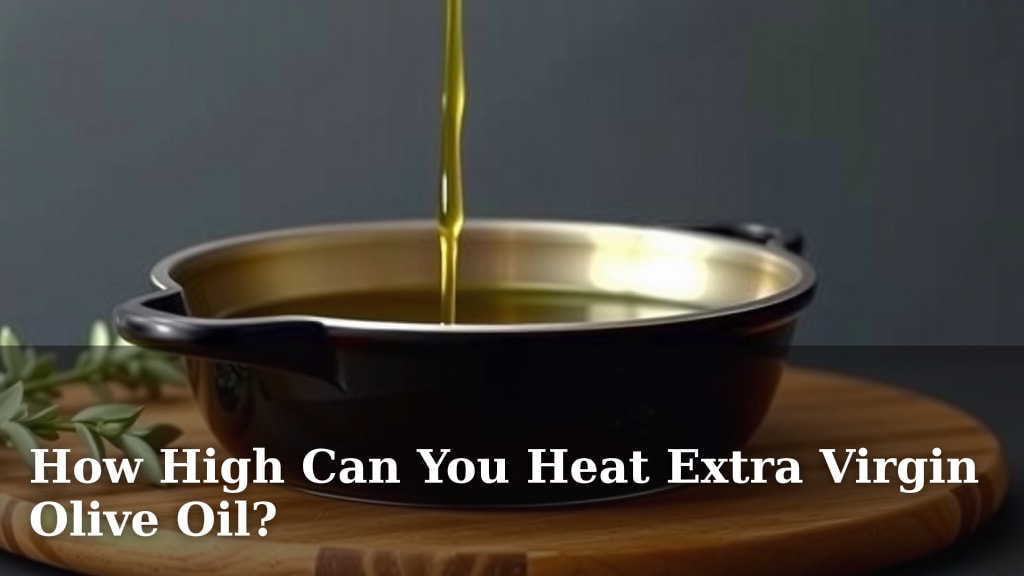
Yes, you can heat extra virgin olive oil, but there are important limits to consider. While EVOO is fantastic for finishing dishes, it can handle moderate heat for cooking. The key is to avoid reaching its smoke point, which can damage its flavor and beneficial compounds.
Many home cooks wonder about using EVOO for high-heat cooking like searing. Research and expert opinions suggest that while it’s not ideal for very high temperatures, it’s perfectly suitable for everyday cooking methods like sautéing. Understanding its properties helps you get the most out of this flavorful oil.
- Extra virgin olive oil has a smoke point around 375-405°F.
- Cooking below this temperature is generally safe.
- High heat can degrade EVOO’s flavor and nutrients.
- It’s best for low to medium-heat cooking methods.
Let’s break down exactly how high you can safely heat extra virgin olive oil for your cooking needs.
Understanding Your Extra Virgin Olive Oil’s Temperature Limits
So, you’re holding a beautiful bottle of extra virgin olive oil (EVOO). You love its fruity notes and peppery finish. But can you toss it in a hot pan to sear that chicken? We’ve got you covered. The short answer is: yes, but with caution. Extra virgin olive oil can handle some heat, but there’s a limit. Pushing it too far can change its taste and even its health benefits.
Let’s dive into what happens when you heat EVOO and how high you can safely go. It’s all about understanding its smoke point. Think of it like a car’s redline; you don’t want to hit it regularly.
What is the Smoke Point of Extra Virgin Olive Oil?
The smoke point is the temperature at which oil starts to break down and produce visible smoke. This is a critical number to know. When oil smokes, it means it’s getting too hot. This process creates harmful compounds and ruins the oil’s flavor. For extra virgin olive oil, this temperature generally falls between 375°F and 405°F (190°C and 207°C).
Why the range? Several factors influence this. The quality of the olives, the pressing method, and how fresh the oil is all play a role. A very high-quality, fresh EVOO might have a slightly higher smoke point. Conversely, an older or less refined EVOO might smoke at a lower temperature.
Why Does Smoke Matter?
When your EVOO starts to smoke, it’s not just an indicator of heat. It’s a sign that the oil is degrading. This degradation affects its delicate flavor profile. Instead of tasting fruity and fresh, it can start to taste bitter or burnt. More importantly, some of the healthy compounds, like polyphenols, can be damaged by excessive heat.
These antioxidants are a big reason many people choose EVOO. They contribute to its health benefits, such as anti-inflammatory properties. Cooking at temperatures that cause smoke essentially strips away some of those advantages. We want your cooking to be healthy and delicious, right?
Cooking Methods and Extra Virgin Olive Oil
Knowing the smoke point helps you choose the right cooking methods for your EVOO. Some techniques are perfect for its flavor and properties, while others are best avoided.
Low to Medium Heat Cooking: Your EVOO’s Sweet Spot
Most everyday cooking tasks fall perfectly within EVOO’s safe zone. Sautéing vegetables, pan-frying fish at moderate temperatures, or making a simple sauce are all great uses. These methods typically operate well below the 375°F mark.
For example, when you sauté onions and garlic for a pasta sauce, you’re likely working at temperatures around 300-350°F. This allows the flavors to meld beautifully without damaging the oil. It’s a gentle way to build flavor in your dishes.
Sautéing and Stir-Frying
Sautéing is a fantastic application. You heat a little oil in a pan until it’s shimmering, add your ingredients, and cook them quickly. This is usually well within the safe range. Stir-frying can sometimes get hotter, but if you’re not letting the oil smoke, you’re likely still within limits.
Roasting Vegetables
Roasting vegetables in the oven, especially at temperatures around 375°F to 400°F, can be borderline. If your oven runs hot or your EVOO is on the lower end of the smoke point spectrum, you might approach the limit. Lightly tossing vegetables with EVOO before roasting is common. Just be mindful not to let the pan get excessively hot before adding the veggies.
High-Heat Cooking: Where Caution is Key
What about searing steak or getting that perfect crispy skin on chicken? These methods often require higher temperatures, sometimes exceeding 400°F. For these types of cooking, EVOO is generally not the best choice. The oil will likely smoke, degrade, and impart a burnt flavor.
Think of it this way: would you use a delicate silk scarf to scrub a dirty grill? Probably not. EVOO is like that silk scarf – wonderful for many things, but not for extreme, harsh conditions. For searing and other high-heat needs, a more neutral oil with a higher smoke point is usually recommended.
What to Use Instead for High Heat
If you need an oil that can handle intense heat without breaking down, consider options like:
- Avocado Oil: One of the highest smoke points, around 520°F.
- Grapeseed Oil: A versatile oil with a smoke point around 420°F.
- Refined Coconut Oil: Offers a smoke point of about 400°F.
- Canola Oil: A common choice with a smoke point around 400°F.
Signs Your Extra Virgin Olive Oil is Too Hot
How can you tell if you’ve pushed your EVOO too far? Your senses are your best guide. The most obvious sign is visible smoke. If you see wisps of smoke curling from your pan, your oil is too hot. Don’t ignore it!
Another indicator is a change in smell. If your oil starts to smell acrid, burnt, or just plain unpleasant, it’s breaking down. The taste can also tell a story. If your food starts tasting bitter or burnt, the oil might be the culprit. This is why we emphasize not reaching that smoke point.
| Oil Type | Typical Smoke Point (°F) | Typical Smoke Point (°C) | Best For |
|---|---|---|---|
| Extra Virgin Olive Oil | 375-405°F | 190-207°C | Sautéing, dressings, finishing |
| Virgin Olive Oil | 390-410°F | 199-210°C | Low to medium-heat cooking |
| Pure/Light Olive Oil | 410-470°F | 210-243°C | General cooking |
| Avocado Oil | 520°F | 271°C | High-heat searing, frying |
| Canola Oil | 400°F | 204°C | General cooking, baking |
Maximizing Your EVOO’s Potential in the Kitchen
To get the most flavor and health benefits from your extra virgin olive oil, follow a few simple guidelines. It’s all about treating this premium oil with the respect it deserves.
Think about how you use other quality ingredients. You wouldn’t boil fresh herbs for an hour, right? You’d add them at the end for maximum flavor. EVOO is similar. Its best qualities shine when it’s not subjected to harsh treatment.
When to Use EVOO and When to Switch
Here’s a quick rundown to help you decide:
- Use EVOO for: Salad dressings, marinades, finishing dishes (drizzling over soup, pasta, or roasted vegetables), light sautéing, and dipping bread.
- Consider other oils for: High-heat searing, deep-frying, and baking at very high temperatures where consistent, high heat is required for extended periods.
By matching the oil to the cooking method, you ensure the best results for your food and make the most of your ingredients.
A Quick Checklist for Heating EVOO Safely
To make things easy, keep these points in mind:
- Always check your oil’s smoke point.
- Avoid visible smoke coming from your pan.
- If it smells burnt, it’s too hot.
- Sautéing and gentle pan-frying are usually fine.
- For high-heat searing, choose a different oil.
- Store EVOO properly to maintain quality.
Conclusion
You’ve learned that extra virgin olive oil is a star for low to medium-heat cooking and finishing dishes. Its unique flavor and health benefits are best preserved when you avoid its smoke point, which typically sits between 375°F and 405°F. Pushing EVOO past this temperature can degrade its taste and beneficial compounds.
For high-heat searing or frying, reach for oils with higher smoke points like avocado or grapeseed oil. By understanding these limits, you can confidently use your EVOO to create delicious and healthy meals, ensuring you get the most out of this wonderful ingredient.
Frequently Asked Questions
Can I use extra virgin olive oil for everyday cooking?
Yes, EVOO is perfect for most everyday cooking. Methods like sautéing vegetables, pan-frying at moderate temperatures, and making sauces fall well within its safe heating range. Just keep an eye out for smoke.
What happens if my extra virgin olive oil starts smoking?
If your EVOO begins to smoke, it means it’s too hot. The oil is breaking down, which can create bitter flavors and reduce its healthy antioxidants. At this point, it’s best to remove the pan from the heat and let the oil cool down.
Is it okay to roast vegetables with extra virgin olive oil?
Roasting vegetables can be borderline for EVOO, especially if you’re using high oven temperatures around 400°F. While lightly coating veggies is fine, be mindful not to overheat the oil before adding them to the pan to avoid reaching the smoke point.
Which cooking oils are better for high-heat searing than EVOO?
For searing, you’ll want oils with higher smoke points. Avocado oil (around 520°F), grapeseed oil (around 420°F), and canola oil (around 400°F) are excellent alternatives that can withstand intense heat without breaking down.
How can I tell if my extra virgin olive oil is still good after heating?
The best indicators are your senses. If your EVOO starts to emit visible smoke, smells acrid or burnt, or makes your food taste bitter, it has likely degraded from overheating. It’s also wise to store your EVOO away from light and heat to maintain its quality.

![7 Best Cretan Olive Oil [2026]](https://bestpureessentialoils.com/wp-content/uploads/2026/06/7-best-cretan-olive-oil-2026-featured-768x432.jpg)