
How Hot Should Olive Oil Be to Fry?
For perfectly fried food, your olive oil should be between 325°F and 375°F. This temperature range is key for achieving that golden, crispy exterior without burning the outside before the inside cooks. Getting this just right means your food will be deliciously cooked through and wonderfully textured.
Many home cooks wonder about the ideal heat for olive oil. Too cool, and your food becomes greasy. Too hot, and it can smoke and burn quickly. Finding that sweet spot ensures your frying is safe and effective. It’s a detail that makes a big difference in your results.
- Ideal olive oil temp: 325-375°F.
- Too cool oil = greasy food.
- Too hot oil = burnt food.
- Use a thermometer for accuracy.
Below, we’ll walk you through exactly how to get your olive oil to the perfect frying temperature and what to watch out for.
Getting Your Olive Oil to the Right Frying Temperature
So, you’re ready to fry up some deliciousness. The big question is: how hot should that olive oil really get? We found that the sweet spot for most frying is between 325°F and 375°F. Hitting this range is key to getting that perfect golden-brown crust without scorching the outside. It ensures your food cooks evenly all the way through. Think of it like tuning a radio – you want to land right on the clear station, not static!
Why is this temperature so important? Well, if your oil is too cool, your food will soak up too much of it. This leads to greasy results. Nobody wants that! On the other hand, if the oil is scorching hot, the outside of your food can burn before the inside has a chance to cook. It’s a delicate dance, but totally achievable.
Understanding Oil Temperature and Your Food
When you place food into hot oil, it causes the oil temperature to drop. This is a natural reaction. That’s why starting with oil at the higher end of the target range (like 375°F) is often recommended. This gives you a buffer. You want the oil to recover its temperature quickly. This prevents that dreaded greasiness we talked about.
Different foods benefit from slightly different temperatures within that 325-375°F range. For instance, delicate items like fish or tempura might do better on the cooler side, around 325-350°F. This allows them to cook gently. Heartier items like chicken pieces or french fries can handle the hotter end, closer to 375°F. This helps them crisp up quickly.
The Role of Smoke Point
You might also hear about the “smoke point” of oil. This is the temperature at which oil begins to visibly smoke. For extra virgin olive oil, the smoke point is generally lower than for refined olive oils. This is because it contains more impurities. These impurities burn more easily.
Many sources, like the Mayo Clinic, suggest that extra virgin olive oil is best for dressings and low-heat cooking. For frying, a lighter, more refined olive oil, or even a blend, often has a higher smoke point. We found that most refined olive oils have smoke points well above 400°F. This means they are perfectly safe for frying within our target range of 325-375°F, as long as you don’t overheat them.
What Happens When Oil Smokes?
When oil starts to smoke, it’s breaking down. This means it’s losing its flavor and can develop an unpleasant taste. More importantly, the compounds in the oil are changing. This can make the food taste bitter and might not be as healthy. If your oil starts smoking, take it off the heat immediately. Let it cool down before trying again. This is a clear signal that you’ve gone too far.
How to Accurately Measure Your Oil Temperature
Guessing the oil temperature is a recipe for disaster. You absolutely need a reliable way to check. We’ve found that using a kitchen thermometer is the most effective method. It takes the guesswork out of frying.
Deep-Fry or Candy Thermometer
These are your best friends for frying. A deep-fry thermometer usually clips onto the side of your pot. It has a dial that clearly shows the temperature. Candy thermometers are similar. They often have a glass or metal probe. You just suspend them in the oil.
When using a thermometer, make sure the tip is submerged in the oil. It shouldn’t touch the bottom of the pot. The bottom can get hotter than the oil itself, giving you a false reading. Keep an eye on the dial as the oil heats up. You’ll see the temperature climb.
Instant-Read Thermometer
An instant-read thermometer is another excellent option. These are digital and give you a quick, accurate temperature reading. You’ll need to carefully insert the probe into the oil for a few seconds to get a reading. Just be mindful of steam and hot oil when you do this. It’s a good tool for checking the oil periodically.
Using a Thermometer for Best Results
Once your oil reaches your target temperature, you can start frying. Remember to add food in batches. Overcrowding the pan will lower the oil temperature too much. Your thermometer will help you monitor this. If it drops too low, remove some food and let the oil heat back up. It’s all about maintaining that consistent temperature.
Signs Your Oil Temperature is Just Right (or Not!)
Beyond a thermometer, there are visual cues you can learn. These can help you get a feel for the right temperature. However, we always recommend a thermometer for precision.
The “Wood Spoon Test”
This is a classic trick many cooks use. Dip the end of a wooden spoon or chopstick into the oil. If small, gentle bubbles form around the wood and rise steadily, your oil is likely around 325-350°F. This is a good sign for delicate frying.
If you see more active bubbling and the bubbles rise quickly, your oil is probably in the 350-375°F range. This is good for most everyday frying tasks. If you put the spoon in and nothing happens, or just a few sad little bubbles appear, your oil is definitely too cool. Let it heat up more.
Observing the Food as It Fries
The way your food behaves in the oil is also telling. Food should sizzle immediately upon entering the oil. It should also float. A consistent, lively sizzle indicates the oil is hot enough to create a crust quickly. If the food sits there sadly without much sizzle, it’s likely too cool.
Conversely, if the oil is smoking heavily before you even add food, or if the food browns almost instantly with little cooking happening inside, it’s far too hot. You’ll also notice the food might look dark on the outside but pale and undercooked within. This tells you the heat is too high.
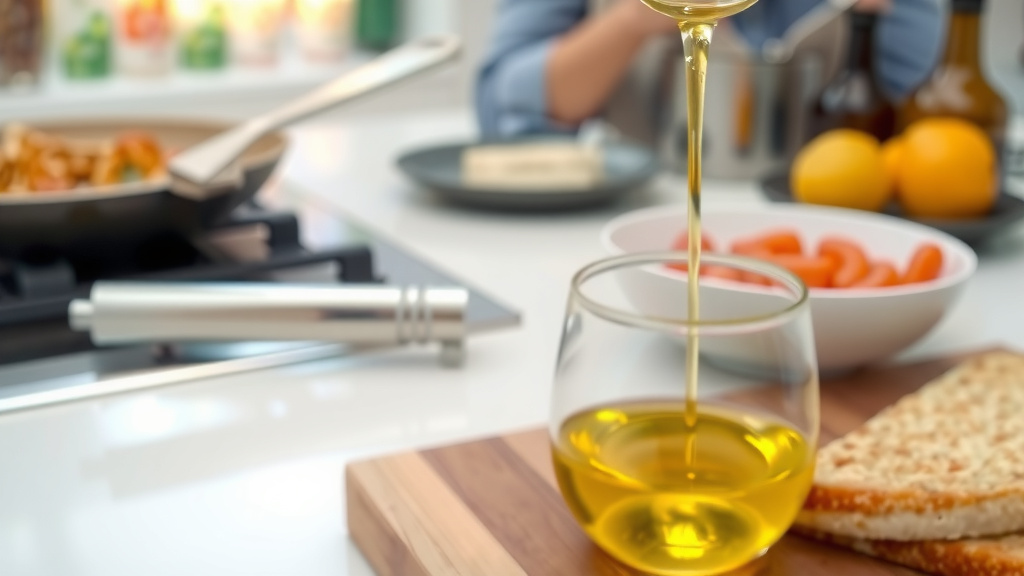
Quick Checklist for Perfect Frying Oil Temperature
Here’s a simple guide to keep in mind:
- Always use a thermometer for accuracy.
- Start with oil between 325°F and 375°F.
- Add food in batches to avoid temperature drops.
- Monitor the oil temperature constantly.
- Let the oil reheat between batches.
- If oil smokes, remove from heat and cool down.
Conclusion
You’ve learned that mastering olive oil frying is all about temperature. Aiming for that sweet spot between 325°F and 375°F is your golden ticket to perfectly crisp food. Too low, and you risk greasiness. Too high, and you’ll get burnt flavors. Always trust your thermometer for accuracy. It’s the easiest way to avoid guesswork and ensure your fried dishes turn out beautifully golden and cooked through.
Now you have the knowledge to fry like a pro! Your next step? Grab your thermometer, choose your favorite recipe, and get ready to create some delicious, perfectly fried food right in your own kitchen.
Frequently Asked Questions
Can I use extra virgin olive oil for frying?
While extra virgin olive oil has a lower smoke point, it can still be used for frying within the 325-375°F range if it’s a higher quality oil. However, refined or lighter olive oils generally have higher smoke points and are more forgiving for frying. You might also find their flavor is more neutral for fried foods.
How do I know if my oil is too hot without a thermometer?
You can watch for visual cues. If the oil starts smoking heavily before you add food, it’s too hot. Also, if the food browns almost instantly and looks undercooked inside, your oil is likely scorching. The “wood spoon test” can give you a general idea, but a thermometer is much more reliable.
What happens if I fry food at too low a temperature?
When your oil is too cool, the food won’t crisp up quickly. Instead, it will absorb too much oil. This results in greasy, heavy food that can feel soggy rather than crispy. You want that immediate sizzle to create a protective crust.
How often should I check the oil temperature while frying?
It’s a good idea to check your oil temperature frequently, especially when you first start. When you add food, the temperature will drop. Use your thermometer to see how quickly it recovers. You’ll want to monitor it between batches to ensure it returns to your target range before adding more food.
How long can I reuse frying oil?
You can typically reuse olive oil for frying a few times, as long as you filter out the food bits after it cools. Strain the cooled oil through a fine-mesh sieve or cheesecloth. Store it in an airtight container in a cool, dark place. Discard the oil if it smells rancid, looks cloudy, or has a bitter taste.

![7 Best Costco Olive Oil Reddit [2026]](https://bestpureessentialoils.com/wp-content/uploads/2026/06/7-best-costco-olive-oil-reddit-2026-featured-768x432.jpg)