How Is Extra Virgin Olive Oil Different From Regular Olive Oil?
Extra virgin olive oil is different from regular olive oil because it’s made from pure, cold-pressed olives with no added chemicals or heat. This results in a higher quality oil with more nutrients and better flavor. Regular olive oil, on the other hand, is often refined and may have additives, making it less pure.
When you choose extra virgin olive oil, you’re getting the healthiest form of olive oil available. It retains the natural antioxidants and flavor compounds from the olives. Regular olive oil undergoes more processing. This processing can strip away some of its beneficial properties and alter its taste. Understanding these differences helps you pick the best oil for your cooking and health.
- Extra virgin olive oil is pure, cold-pressed olive juice.
- Regular olive oil is often refined and may contain additives.
- Extra virgin has more nutrients and better flavor.
- Regular olive oil loses some health benefits through processing.
- Choose extra virgin for cooking and health benefits.
Let’s break down exactly what makes these oils distinct so you can confidently pick the right bottle next time you’re at the store.
Understanding the Difference Between Olive Oil Varieties
You’ve probably stood in the grocery aisle, staring at rows of olive oil bottles. You see “Extra Virgin,” “Virgin,” and then just “Olive Oil.” It can be confusing, right? We’re here to clear up that confusion. The key differences lie in how the oil is made and its purity.
What Makes Extra Virgin Olive Oil So Special?
Extra virgin olive oil (EVOO) is the gold standard in the olive oil world. It’s essentially pure olive juice. This means it’s made by mechanical means only. No heat or chemicals are used in the extraction process. Think of it like freshly squeezed orange juice versus concentrate. EVOO is the fresh squeeze!
The Cold Pressing Advantage
The term “cold-pressed” is key here. It means the olives were pressed at temperatures below 27°C (80.6°F). This gentle method helps preserve all the wonderful, natural qualities of the olives. You’re getting the full spectrum of flavor, aroma, and beneficial compounds.
Strict Quality Standards
Extra virgin olive oil must meet strict standards. For starters, it has to have a certain level of oleic acid. This is a healthy fat. EVOO’s oleic acid content must be less than 0.8%. It also needs to pass a sensory evaluation. This means tasters check for defects and desirable attributes like fruitiness or bitterness. If it has any off-flavors, it can’t be called extra virgin.
Flavor and Health Benefits
Because of its minimal processing, EVOO boasts a robust flavor. It can range from grassy and peppery to buttery and mild. It’s also packed with antioxidants, like polyphenols. These compounds are linked to numerous health benefits. Research suggests they can help fight inflammation and protect against chronic diseases (National Institutes of Health).
What About “Regular” Olive Oil?
When you see a bottle simply labeled “Olive Oil” or “Pure Olive Oil,” it’s a different story. This type of oil is usually a blend. It often contains both refined olive oil and some virgin or extra virgin olive oil for flavor. So, it’s not 100% pure olive juice.
The Refining Process
The “refined” part is where things change. Refined olive oil is made from olives that may have been damaged or imperfect. To make it palatable, the oil undergoes a refining process. This involves heat and sometimes chemical solvents. This process removes impurities and defects. It also strips away much of the natural flavor, color, and beneficial nutrients. It’s like taking a good quality fruit and processing it heavily.
Flavor Profile of Refined Olive Oil
Because of the refining, regular olive oil has a very mild flavor. It’s often described as neutral or bland. This makes it versatile for cooking. It won’t overpower delicate dishes. However, you miss out on that vibrant taste that makes EVOO so exciting. Many experts say it’s like comparing a black and white photo to a full-color one (Mayo Clinic).
Nutritional Differences
The refining process significantly reduces the antioxidant content of regular olive oil. While it still contains monounsaturated fats, it doesn’t offer the same powerful health punch as EVOO. The polyphenols, which are so beneficial, are largely removed. This is a major reason why EVOO is often recommended for health-conscious individuals.
| Feature | Extra Virgin Olive Oil | Regular Olive Oil |
|---|---|---|
| Processing | Cold-pressed, mechanical extraction, no heat or chemicals | Refined using heat and/or chemicals, blended with virgin oil |
| Purity | 100% pure olive juice | Blend of refined and virgin olive oil |
| Flavor | Robust, fruity, peppery, bitter, grassy | Mild, neutral, bland |
| Nutrients & Antioxidants | High | Low to moderate |
| Acidity Level (Oleic Acid) | < 0.8% | Typically < 0.3% after refining, but the blend varies |
| Best Use | Drizzling, dressings, finishing, low-to-medium heat cooking | General cooking, sautéing, baking, frying |
Virgin Olive Oil: The Middle Ground
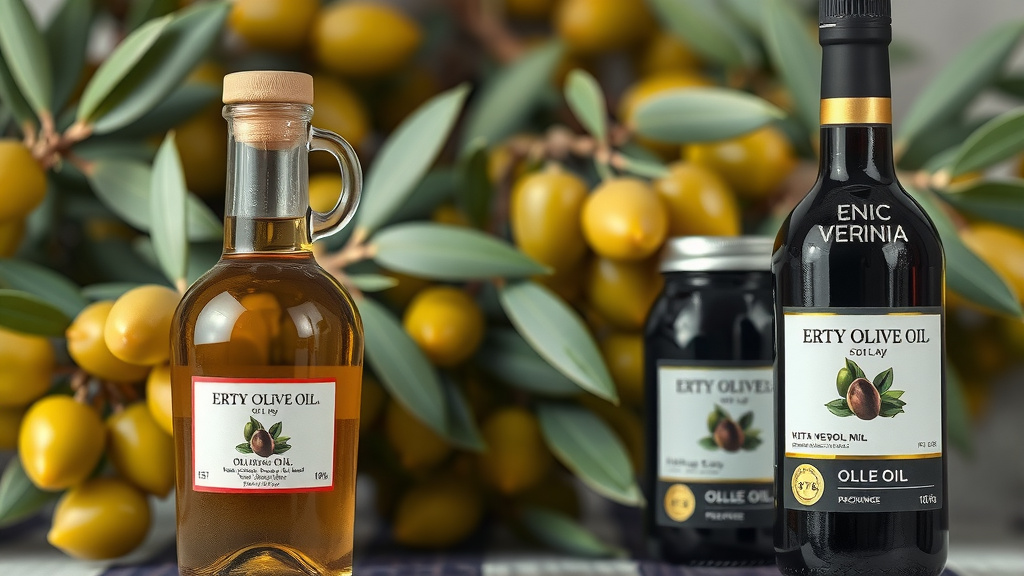
You might also see “Virgin Olive Oil” on labels. This is also made by mechanical means. However, its quality standards are a bit lower than EVOO. Its oleic acid content can be up to 2%. It might have some minor flavor defects. It’s better than refined olive oil but not as pure or flavorful as extra virgin.
When to Use Each Type
Knowing the differences helps you make smart choices in the kitchen. Think about what you’re cooking!
- For finishing dishes: Drizzle EVOO over salads, soups, pasta, or grilled vegetables. Its flavor adds a wonderful final touch.
- In salad dressings: The vibrant taste of EVOO is perfect for vinaigrettes.
- For low-to-medium heat cooking: You can sauté vegetables or fish with EVOO. Its smoke point is generally around 375°F (190°C).
- For high-heat cooking and baking: Regular olive oil is a better choice. Its neutral flavor won’t affect your recipes. Its higher smoke point (around 410°F or 210°C) makes it safer for frying.
Making Your Smart Shopping Choice
Next time you’re shopping, take a moment to check the label. You’re looking for “Extra Virgin Olive Oil” for the best flavor and health benefits. If the label just says “Olive Oil” or “Pure Olive Oil,” it’s likely a refined product. You can still use it, but it won’t give you the same quality. It’s like choosing between a gourmet meal and fast food – both fill you up, but the experience and nutrition are vastly different.
Key Takeaways for Choosing
- Look for “Extra Virgin” for the highest quality.
- Check the acidity level if possible (lower is better for EVOO).
- Consider the origin and freshness.
- Use EVOO for finishing and dressings.
- Use regular olive oil for high-heat cooking.
Conclusion
You’ve learned that the difference between extra virgin olive oil and regular olive oil boils down to purity and processing. Extra virgin olive oil is your top choice for preserving the natural goodness of olives. Its cold-pressing method ensures you get the most flavor and health benefits. Regular olive oil, while useful, undergoes refining which impacts its quality. Next time you reach for olive oil, remember to check the label. Choosing extra virgin will elevate your dishes and boost your well-being. Make the switch and taste the difference quality makes!
Frequently Asked Questions
Can I cook with extra virgin olive oil?
Yes, you can cook with extra virgin olive oil, but it’s best for lower to medium heat cooking. Its smoke point is typically around 375°F (190°C). For high-heat searing or deep frying, regular olive oil is a more suitable option as it has a higher smoke point.
Is regular olive oil bad for you?
Regular olive oil is not inherently “bad” for you; it’s still a source of healthy monounsaturated fats. However, the refining process removes many of the beneficial antioxidants and polyphenols found in extra virgin olive oil, reducing its overall health advantage.
How can I tell if olive oil is truly extra virgin?
Look for an “Extra Virgin Olive Oil” label. Reputable brands may also display a harvest date or a seal from a certifying body like the International Olive Council (IOC). True EVOO should also have a distinct flavor profile, not be completely neutral.
Does the color of olive oil matter?
The color of olive oil can range from bright green to golden yellow, and it doesn’t necessarily indicate quality or flavor. Color is influenced by the olive varietal, ripeness, and processing. Don’t rely on color alone to judge your olive oil.
What’s the difference between “Virgin Olive Oil” and “Extra Virgin Olive Oil”?
Both are made through mechanical means without chemicals. However, extra virgin olive oil has stricter quality standards, including a lower acidity level and no sensory defects, resulting in superior flavor and nutrient content compared to regular virgin olive oil.

![7 Best Olive Oil In The World [2026]](https://bestpureessentialoils.com/wp-content/uploads/2026/07/7-best-olive-oil-in-the-world-2026-featured-768x432.jpg)
![7 Best Olive Oil For Cooking [2026]](https://bestpureessentialoils.com/wp-content/uploads/2026/07/7-best-olive-oil-for-cooking-2026-featured-768x432.jpg)
![7 Best Infused Olive Oil Brands [2026]](https://bestpureessentialoils.com/wp-content/uploads/2026/08/7-best-infused-olive-oil-brands-2026-featured-768x432.jpg)