How Is Olive Oil Pressed?
Olive oil is pressed using mechanical methods to extract oil from olives. The most common modern method involves crushing olives into a paste. Then, this paste is spun in a centrifuge to separate the oil from water and solids. This process preserves the oil’s natural flavors and health benefits.
Understanding how your favorite olive oil gets made is fascinating. It’s a process that has been refined over centuries. We found that the quality of the olives and the gentleness of the pressing greatly impact the final product. Many experts agree that avoiding heat and chemicals is key for premium olive oil.
- Olives are first crushed into a paste.
- This paste is then spun to separate oil.
- Modern methods use centrifuges for efficiency.
- Traditional methods might use presses and filter cloths.
Let’s walk through exactly how this natural liquid gold is brought to your table, step by step.
The Mechanical Marvel: How Olive Oil Is Made
You might be wondering, how exactly do olives transform into that golden liquid we love? The process is surprisingly straightforward. It relies on mechanical methods to gently coax the precious oil out of the fruit. No magic, just smart engineering and a deep understanding of olives.
The core idea is simple: break open the olive and then separate the oil from everything else. We found that the key is doing this without damaging the delicate oil. This means avoiding high heat and harsh chemicals, which is why the best olive oil is almost always mechanically extracted.
From Orchard to Press: Olive Preparation
Before pressing can even begin, the olives themselves are incredibly important. The journey of olive oil starts long before the press. Healthy, ripe olives are crucial for good quality oil.
Harvesting the Fruit
When are olives picked? That depends on the desired flavor profile. Early harvests yield greener, more robust oils. Later harvests result in milder, fruitier oils. It’s a careful balance.
Harvesters carefully collect the olives. They might use rakes to gently comb them from branches. Sometimes, nets are spread below trees to catch any fallen fruit. We found that the goal is to minimize damage to the olives during this stage.
Washing and Cleaning
Once harvested, the olives need a good cleaning. They are typically washed to remove dirt, leaves, and any twigs. This ensures that only pure olive goodness makes it to the next step. You wouldn’t want grit in your salad dressing, right?
The Crushing Process: Making Olive Paste
This is where the transformation really begins. The clean olives, including their pits, are crushed. This step breaks down the cellular structure of the olive.
Traditional Crushing Methods
Historically, massive stone wheels did the heavy lifting. These wheels would slowly grind the olives. They rotated in a circular pit. The result was a thick paste of pulp, juice, and oil.
We found that this traditional method is very slow. It requires a lot of manual effort. While it produces good oil, it’s not very efficient for large-scale production.
Modern Crushing Techniques
Today, stainless steel crushers are more common. These machines can be hammer mills or disc crushers. They work much faster. They quickly turn the olives into a smooth paste. This paste still contains oil, water, and solid olive matter.
Many experts say that the type of crusher doesn’t matter as much as the speed. The crushing should happen quickly. This helps prevent the oil from oxidizing. Oxidation can harm the flavor and quality.
Malaxation: Gently Letting Oil Coalesce
After crushing, the olive paste isn’t ready for immediate oil extraction. It needs a period of slow mixing. This process is called malaxation.
What is Malaxation?
Malaxation involves slowly stirring the olive paste. This is done in large, stainless steel vats. The stirring is gentle and slow. It encourages tiny oil droplets to join together. Think of it like coaxing two friends to hold hands.
This step is vital. It allows the small oil droplets within the paste to coalesce. They form larger droplets. This makes them easier to separate later on. We found that the duration and temperature of malaxation are critical.
Temperature Control is Key
The temperature during malaxation is usually kept low. Most producers aim to stay below 27°C (80.6°F). This is why you often hear about “cold-pressed” or “cold-extracted” olive oil. This low temperature helps preserve the oil’s aroma and flavor compounds. It also protects beneficial antioxidants.
If the paste gets too warm, more oil might be extracted. However, the quality can suffer. Heat can damage the volatile compounds that give olive oil its distinctive smell and taste. Many guidelines suggest this controlled temperature is paramount for premium oils (NCBI).
Separating the Oil: The Final Extraction
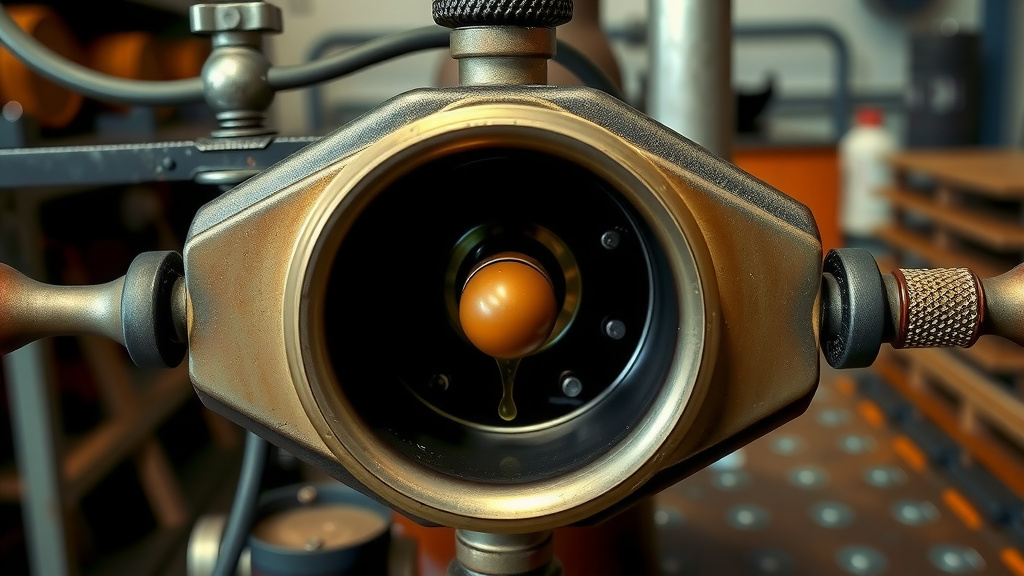
Now comes the part where we actually get the oil! The malaxed paste is ready for separation. Modern methods use centrifuges for this. This is incredibly efficient.
Centrifugal Separation (Decanter)
Most modern olive oil mills use a horizontal centrifuge called a decanter. The olive paste is fed into this machine. It spins at very high speeds. This rapid spinning forces the heavier elements to the outside.
The decanter separates the paste into three main components: olive oil, olive water (vegetable water), and solid olive residue (pomace). This process is quite effective. It can extract a significant amount of oil from the paste. We found this method to be the standard in most professional mills.
Two-Phase vs. Three-Phase Decanters
There are slightly different types of decanters. Three-phase decanters use hot water to help with separation. This can lead to slightly higher yields but may affect quality. Two-phase decanters are considered gentler.
Two-phase systems separate the paste into oil and a mixture of water and solids. Many producers prefer this. They believe it results in a purer, higher-quality oil. It also generates less wastewater. The pomace is drier in this system.
Traditional Pressing Methods (Less Common Today)
Before centrifuges, olives were pressed using hydraulic presses. The olive paste was spread onto porous mats or filters. These mats were then stacked. Hydraulic pressure was applied to squeeze out the oil and water.
This liquid mixture then had to be further separated. Often, this was done by letting it settle. The lighter oil would float to the top. Then, it was carefully skimmed off. This older method is labor-intensive. It can also be less efficient in extracting all the oil.
Finishing Touches: Filtering and Bottling
Once the oil is separated, it’s not quite ready for your pantry. There are a couple of final steps.
Filtering the Olive Oil
Many producers filter their olive oil. This removes any remaining tiny particles of olive fruit or water. Filtering results in a clearer oil. It also helps extend the oil’s shelf life. These small bits can cause the oil to degrade faster.
Some artisanal producers choose not to filter. They often sell their oil as “unfiltered.” This oil might appear slightly cloudy. It’s sometimes said to have a more intense flavor. However, it needs to be consumed more quickly. We found that filtering is a common practice for stability.
Storage and Bottling
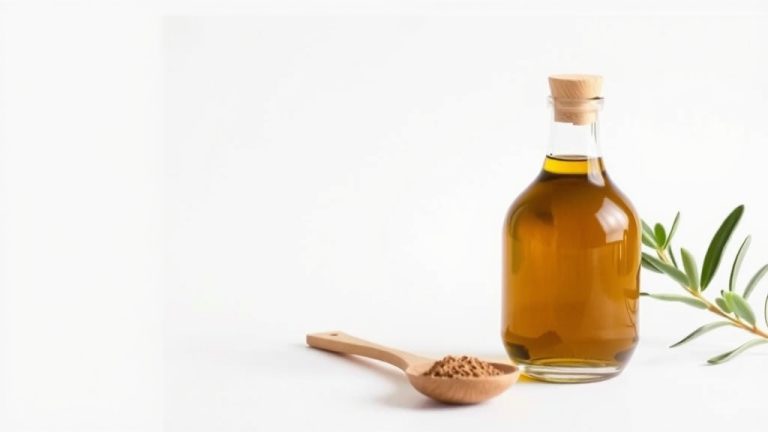
Finally, the olive oil is bottled. It should be stored in dark glass bottles or tins. Light can degrade olive oil. Oxygen is also an enemy. So, bottles are often filled to minimize air exposure. Proper storage is key to keeping your olive oil fresh and flavorful.
Here’s a quick checklist for the olive oil pressing process:
- Olives are harvested carefully.
- They are washed to remove debris.
- Olives are crushed into a paste.
- The paste is malaxed (slowly mixed) at low temperatures.
- Oil is separated using a centrifuge or press.
- The oil may be filtered before bottling.
Conclusion
You’ve seen how olives go from the tree to your table. The journey involves careful harvesting and washing. Then, crushing turns them into a paste. Gentle malaxation helps the oil droplets merge. Modern centrifuges efficiently separate the liquid gold. Filtering and proper bottling protect its quality. We found that understanding this process highlights the care taken. Next time you use olive oil, you’ll appreciate the mechanical marvel behind it. Consider visiting a local olive oil producer or seeking out oils labeled “cold-extracted” to experience the freshest flavor.
Frequently Asked Questions
What’s the main difference between traditional and modern olive oil pressing?
Traditional methods relied on stone wheels and hydraulic presses with filter cloths. Modern pressing primarily uses stainless steel crushers and high-speed centrifuges. We found that modern techniques are much faster and more efficient for large-scale production.
Why is keeping the olive paste cool during malaxation so important?
Keeping the paste cool, typically below 80.6°F (27°C), is vital for preserving the oil’s delicate aromas, flavors, and beneficial antioxidants. Research shows that higher temperatures can damage these compounds, affecting the oil’s quality and taste.
What does “cold-pressed” or “cold-extracted” olive oil really mean?
It means the oil was extracted using methods that did not involve excessive heat. Specifically, the temperature during the crushing and malaxation stages was kept low. This preserves the natural quality and beneficial compounds in the oil, which we’ve found is key for premium oils.
Does filtering olive oil affect its taste or health benefits?
Filtering removes tiny fruit particles and water, leading to a clearer oil with a longer shelf life. While unfiltered oil might have a more intense flavor, filtered oil is generally more stable and less prone to spoilage. We found filtering is a common practice for maintaining quality over time.
Are all olive oils pressed using the same centrifuge method?
Most modern mills use centrifuges, but there are variations like two-phase and three-phase decanters. Two-phase systems are often preferred as they are gentler, producing a purer oil with less wastewater. Some smaller or artisanal producers might still use traditional press methods, though less commonly.

![7 Best Fresh Olive Oil [2026]](https://bestpureessentialoils.com/wp-content/uploads/2026/08/7-best-fresh-olive-oil-2026-featured-768x432.jpg)