
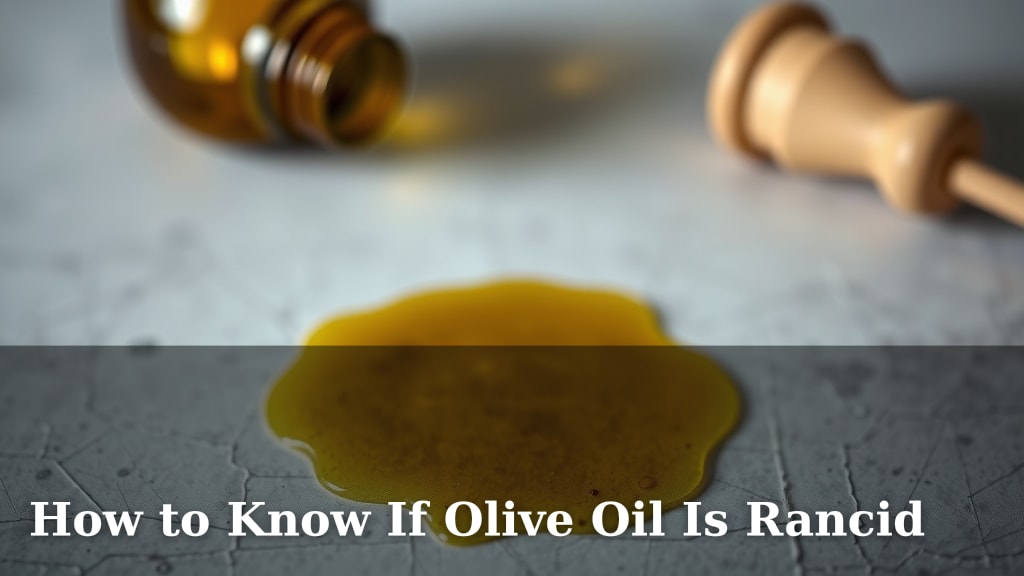
How to Know If Olive Oil Is Rancid
You can tell if olive oil is rancid by using your senses. Look for a cloudy appearance and check for a waxy or crayon-like smell. Rancid olive oil often tastes bitter or metallic. Trusting your nose and taste buds is key to detecting spoilage.
Olive oil goes bad over time, especially when exposed to heat, light, and air. This process, called oxidation, changes its flavor and aroma. Knowing the signs helps you avoid using bad-tasting oil in your cooking. It’s important to store it properly to maintain its freshness.
- Look for cloudy oil or sediment.
- Smell for waxy, crayon-like, or unpleasant odors.
- Taste for bitterness, sourness, or a metallic tang.
- Check the expiration date, though smell and taste are better indicators.
- Store oil in a cool, dark place.
Let’s walk through exactly how to check your olive oil, step by step, so you can be sure you’re always cooking with the best.
Signs Your Olive Oil Has Gone Bad
Your olive oil might be past its prime if you notice some changes. We’re talking about what happens when it oxidizes. This is a natural process. But it affects the oil’s taste and smell. You can usually tell if it’s rancid by using your senses. Let’s look at what to watch out for.
Using Your Senses to Detect Rancid Olive Oil
The Visual Clues: What to See
First, take a look at your olive oil. Does it look different than usual? Sometimes, rancid oil can appear a bit cloudy. You might also see some sediment at the bottom of the bottle. While not always a sign of spoilage, it’s a good first indicator. Especially if you notice it in oil that used to be clear.
The Olfactory Test: Trust Your Nose
Your sense of smell is your best friend here. Healthy olive oil has a fresh, sometimes fruity or grassy aroma. Rancid oil often develops an unpleasant smell. It can smell like crayons or even old, waxy crayons. Some people describe it as smelling like old nuts or even a bit like putty. If it smells off, it probably is.
The Gustatory Verdict: A Taste Test
If the smell doesn’t give it away, a small taste might. Be cautious here. You only need a tiny amount. Dip a piece of bread in the oil or just take a very small sip. Rancid olive oil often tastes bitter. It can also have a sour or metallic tang. This flavor is usually quite distinct and unpleasant. It’s definitely not what you want on your salad.
Understanding Olive Oil Spoilage: Why It Happens
The Role of Oxidation
Olive oil spoils primarily due to oxidation. This happens when the oil is exposed to air. Oxygen in the air reacts with the fats in the oil. This changes the chemical compounds. It breaks down the beneficial compounds and creates new, less desirable ones. This is why properly sealing the bottle is so important.
Environmental Factors That Speed Spoilage
Besides air, other factors can speed up rancidity. Exposure to light is a big one. UV rays from sunlight can degrade the oil. So can the light from your kitchen bulbs. Heat is another enemy. Storing olive oil near your stove or in a warm pantry will shorten its shelf life. Think of it like leaving butter out on a hot day; it doesn’t fare well.
The Impact of Age and Quality
Olive oil doesn’t last forever. Even in perfect conditions, it will eventually go bad. The “best by” date on the bottle is a guideline. However, it’s not a strict expiration date. We found that oil can go rancid before this date if stored improperly. Conversely, well-stored oil might be fine a bit past it. But always rely on your senses first.
When to Consider Discarding Your Olive Oil
Beyond Just a Bad Taste
Using rancid olive oil isn’t just about unpleasant flavors. There are health considerations too. While not typically dangerous, rancid oil loses its health benefits. Some research suggests oxidized oils might even be harmful in large amounts. The antioxidants that make olive oil healthy break down. So, it’s best to use fresh oil for both taste and wellness.
A Quick Checklist for Your Kitchen
Here’s a simple way to remember what to check:
- Look: Is it cloudy or does it have sediment?
- Smell: Does it have a crayon-like or stale odor?
- Taste: Is there a bitter, sour, or metallic taste?
- Age: Is it well past its “best by” date?
- Storage: Has it been exposed to heat or light?
If you answer “yes” to any of these, it’s time for that bottle to go.
Proper Storage for Maximum Freshness
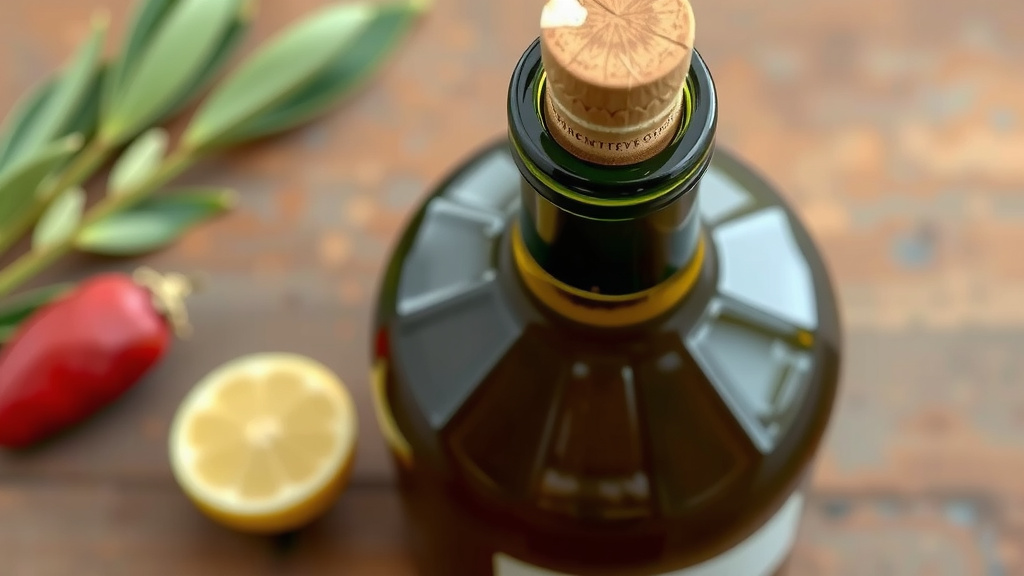
The best way to avoid rancidity is good storage. Keep your olive oil in a cool, dark place. A pantry or cupboard away from the stove is ideal. Always make sure the cap is screwed on tightly after each use. We also found that dark glass bottles are better than clear ones. They offer more protection from light.
Deciphering “Best By” Dates vs. Actual Spoilage
The “best by” date is really about quality, not safety. It indicates when the oil is expected to be at its peak flavor and aroma. Many experts agree that olive oil can remain safe to consume for a while after this date. However, its flavor will likely have degraded. This is why the sniff and taste test are the most reliable indicators of spoilage. Don’t just toss it because the date passed, but don’t assume it’s good just because the date hasn’t.
| Sense | What to Look/Smell/Taste For | Healthy Olive Oil |
|---|---|---|
| Sight | Cloudiness, sediment | Clear, with possible tiny bits in unfiltered oils |
| Smell | Crayon-like, waxy, stale, nutty, putty | Fresh, fruity, grassy, peppery |
| Taste | Bitter, sour, metallic, like old nuts | Fruity, peppery, sometimes slightly bitter |
Conclusion
You’ve learned how to become an expert at spotting rancid olive oil. Trusting your senses – sight, smell, and taste – is your most reliable tool. Remember that factors like light, heat, and air can speed up spoilage, even before the “best by” date. By paying attention to these cues and storing your oil properly in a cool, dark place, you’ll ensure you always get the best flavor and health benefits from your olive oil. Make checking your oil a regular habit to keep your cooking delicious and your kitchen stocked with quality ingredients.
Frequently Asked Questions
Does olive oil really expire?
Yes, olive oil does expire. While the “best by” date is mainly about peak quality, the oil will eventually go rancid. Oxidation and exposure to environmental factors like heat and light are the main culprits that degrade its quality over time.
Can you get sick from eating rancid olive oil?
Eating rancid olive oil is generally not considered dangerous in small amounts. However, it can cause digestive upset like nausea or diarrhea for some. More importantly, it loses its healthy antioxidants and may even have some negative health effects if consumed frequently.
How should I store olive oil to make it last longer?
To maximize freshness, store your olive oil in a cool, dark place, like a pantry or cupboard away from heat sources. Always keep the cap tightly sealed after each use to minimize exposure to air and light. Dark glass bottles offer better protection than clear ones.
What does “fruity” or “peppery” smell mean for olive oil?
A fruity or grassy smell is a sign of fresh, high-quality olive oil. A peppery sensation in the throat when tasting is also a good indicator of healthy, fresh oil, signaling the presence of beneficial compounds like polyphenols.
Can I still use olive oil that’s a bit cloudy?
A little cloudiness or sediment might be normal, especially in unfiltered olive oils or if the oil has been refrigerated. However, if the cloudiness is accompanied by a bad smell or taste, it’s a strong indicator that the oil has gone rancid and should not be used.

![7 Best Olive Oil Bottles [2026]](https://bestpureessentialoils.com/wp-content/uploads/2026/09/7-best-olive-oil-bottles-2026-featured-768x432.jpg)