
How Is Olive Oil Traditionally Made?
Traditionally, olive oil is made by crushing olives and then separating the oil from the solids and water. This classic method has been used for centuries, focusing on simple, mechanical processes to extract the pure essence of the fruit. You’re essentially pressing olives to get their delicious juice.
This time-tested approach ensures that the oil retains its natural flavors and beneficial compounds. It’s a process deeply rooted in history and agricultural tradition. Many regions pride themselves on this artisanal production, often passed down through generations.
- Olives are harvested when ripe.
- They are washed and then crushed into a paste.
- The paste is mixed to help the oil droplets combine.
- The oil is separated from solids and water, usually by pressing or centrifugation.
Ready to learn more about how olives transform into that golden liquid we love? Let’s walk through the traditional steps involved.
The Ancient Art of Making Olive Oil
Making olive oil traditionally is a practice steeped in history. It involves simple, mechanical methods. These techniques focus on extracting the pure oil from ripe olives. We’re talking about a process that has remained largely unchanged for centuries. It’s a beautiful blend of nature and human effort.
From Orchard to Oil: The Traditional Process
The journey of traditional olive oil begins with the olives themselves. Where and when they are picked matters. Let’s break down the key steps involved in this time-honored method.
Harvesting the Olives: Timing is Everything
First, you need to pick the olives. The best time to harvest is when the olives are ripe. This usually happens in the late fall or early winter. The color of the olives changes from green to purple or black as they ripen. This color change indicates the optimal oil content and flavor. Many growers use nets to catch the falling olives. This gentle method helps prevent bruising the fruit.
Washing and Preparing the Olives
Once harvested, the olives are taken to the olive press. They are then thoroughly washed. This washing step removes dirt, leaves, and any other debris. You want to start with clean fruit. This ensures the purity of the final oil. Any remaining leaves could affect the taste. Imagine getting a leafy note in your salad dressing; not ideal!
The Crushing Stage: Releasing the Goodness
This is where the magic starts to happen. The clean olives are crushed. Traditionally, this was done using large, heavy stone mills. These mills would grind the olives into a thick paste. This paste contains the pulp, skin, seeds, and the oil. The goal is to break down the fruit’s cell walls. This releases the olive oil droplets. Modern traditional methods might use hammer crushers. These are efficient but still mechanical. They don’t use heat or chemicals.
Malaxation: Letting the Oil Unite
After crushing, the olive paste undergoes malaxation. This is a slow mixing process. The paste is stirred gently for a specific amount of time. This helps the tiny oil droplets to merge. When droplets combine, they form larger ones. This makes it easier for the oil to separate later. Think of it like stirring cream into coffee. It helps things blend. The duration of malaxation is important. Too short, and you won’t get all the oil. Too long, and the oil quality can suffer. Experts often say this step is critical for maximizing yield and preserving flavor.
Separation: Extracting the Golden Liquid
Now comes the crucial part: separating the oil. This is where the oil is finally drawn out from the paste. There are a couple of traditional ways this happens.
The Traditional Press Method
Historically, the most common method was pressing. The olive paste was spread onto fibrous mats. These mats were then stacked. They were placed into a hydraulic press. Pressure was applied. This squeezed the oil and water out of the paste. The oil and water would drip into collection containers. This method, while effective, can be slower. It requires more labor. Some small producers still use this method today. It’s a labor of love for them.
Centrifugation: A More Modern Traditional Approach
Many producers today use a centrifuge. This is a mechanical separation process. The olive paste is spun at high speeds. The centrifugal force separates the components based on density. Olive oil is lighter than water and solids. So, it rises to the top. This method is faster and often more efficient than pressing. It still relies on mechanical force. No heat or chemicals are involved. This is why many consider it part of the traditional extraction process.
Filtering: The Final Polish
After separation, the olive oil might still contain tiny particles. These are remnants of olive pulp and water. Filtering removes these. It’s like straining your tea. This process clarifies the oil. It also helps to extend its shelf life. Some traditionalists prefer not to filter. They believe it preserves more flavor. However, unfiltered oil can be cloudier. It might also settle over time. Most high-quality oils you find are filtered.
Storage: Keeping the Oil Fresh
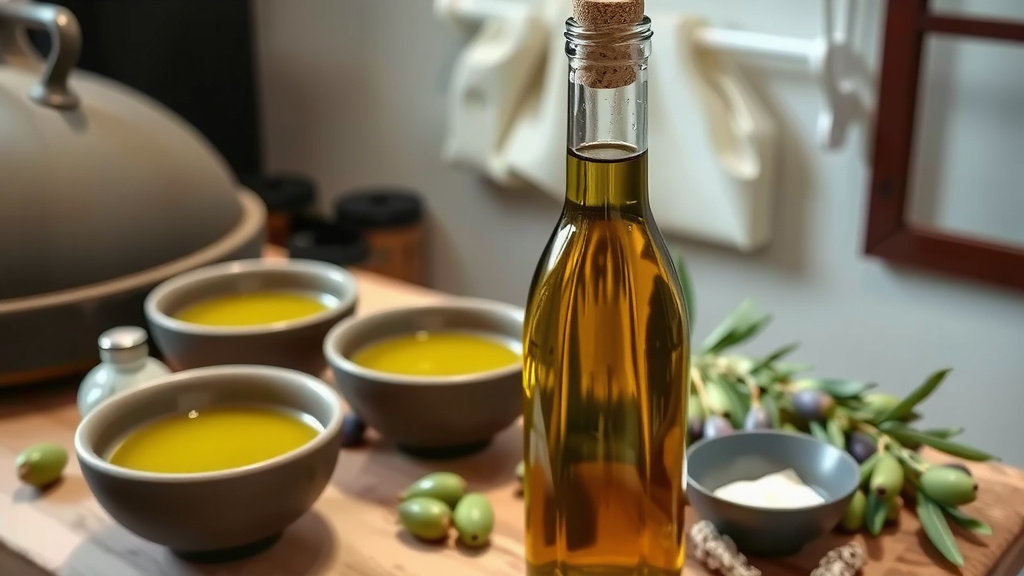
Once bottled, proper storage is key. Olive oil should be kept in dark glass bottles. It should be stored away from light and heat. Exposure to light and air can degrade the oil. This causes it to go rancid. A cool, dark pantry is the perfect spot. Many experts recommend using the oil within 18-24 months of bottling.
Key Elements of Traditional Olive Oil Production
Here’s a quick rundown of what makes traditional olive oil production special:
- Mechanical Extraction: Only physical force is used.
- Low Temperatures: The process avoids high heat.
- Freshness of Fruit: Olives are processed quickly after picking.
- Minimal Intervention: No chemicals or additives are used.
- Focus on Purity: The goal is to capture the natural essence of the olive.
You can see that the traditional method is all about respecting the fruit. It’s a simple, effective way to get that wonderful golden liquid. The care taken at each step truly makes a difference in the final taste and quality you enjoy. It’s a process that has stood the test of time for good reason!
Conclusion
You’ve seen how traditional olive oil making is a beautiful process. It honors the olive and relies on simple, mechanical steps. From the careful harvest to the gentle pressing or centrifugation, each stage matters. This method focuses on purity and natural flavor. It’s a practice that respects the fruit’s essence. To experience the true taste of tradition, look for oils made this way. Consider visiting a local olive grove or producer. You might learn even more firsthand.
Frequently Asked Questions
What makes traditional olive oil different from modern oil?
Traditional olive oil is made using purely mechanical methods. This means no heat or chemicals are used in extraction. Modern methods can sometimes involve higher temperatures or solvents to increase yield. Traditional methods focus on preserving the natural flavor and nutrients of the olive.
Can you still buy olive oil made with stone mills?
Yes, some small, artisanal producers still use traditional stone mills. These mills are part of the classic method for crushing olives into a paste. While less common than modern machinery, stone mills are cherished for their historical significance. They are part of how olives were processed for centuries.
Why is the malaxation step important?
Malaxation is the slow mixing of the crushed olive paste. Its purpose is to help the small oil droplets coalesce into larger ones. This makes it easier to separate the oil from the other components. Proper malaxation maximizes the oil yield. It also helps to develop the oil’s characteristic flavors.
Is unfiltered olive oil better?
Unfiltered olive oil contains tiny olive particles. Some believe these particles enhance the flavor and aroma. However, unfiltered oil can be cloudier. It may also have a shorter shelf life because these particles can ferment. Most high-quality oils you find are filtered for clarity and stability.
How can you tell if olive oil was made traditionally?
Look for labels that mention “cold-pressed” or “mechanical extraction.” These terms often indicate a traditional process. Producers who focus on artisanal methods might highlight their heritage. Checking the producer’s website or asking them directly can also provide clarity.

![7 Best Italian Olive Oil For Salads [2026]](https://bestpureessentialoils.com/wp-content/uploads/2026/08/7-best-italian-olive-oil-for-salads-2026-featured-768x432.jpg)
![7 Best Cold Pressed Olive Oil For Drinking [2026]](https://bestpureessentialoils.com/wp-content/uploads/2026/06/7-best-cold-pressed-olive-oil-for-drinking-2026-featured-768x432.jpg)
![7 Best Grocery Store Olive Oil [2026]](https://bestpureessentialoils.com/wp-content/uploads/2026/07/7-best-grocery-store-olive-oil-2026-featured-768x432.jpg)
![7 Best Extra Virgin Olive Oil Whole Foods [2026]](https://bestpureessentialoils.com/wp-content/uploads/2026/08/7-best-extra-virgin-olive-oil-whole-foods-2026-featured-768x432.jpg)