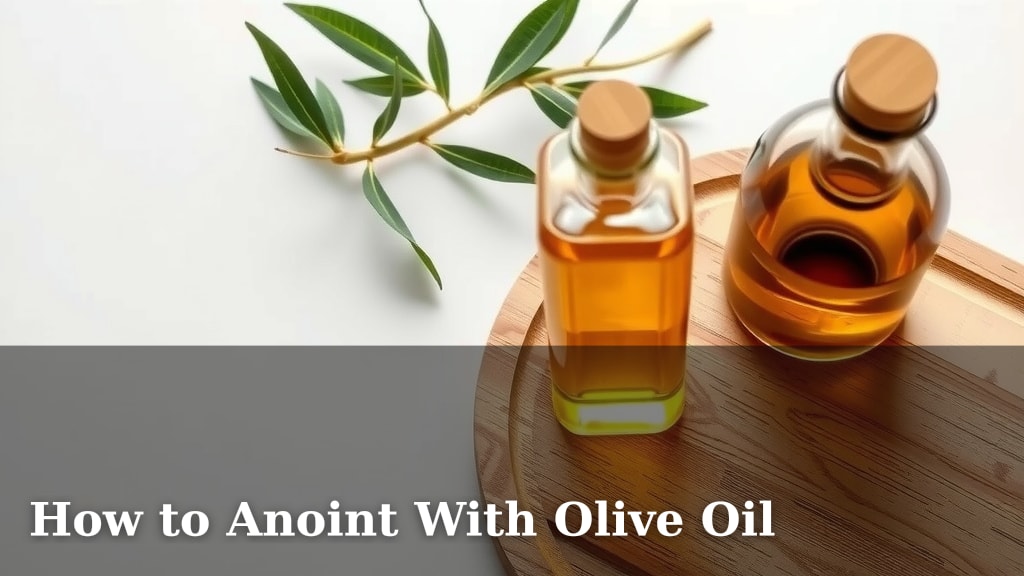
How to Anoint With Olive Oil
Anointing with olive oil is a practice rooted in spiritual and symbolic traditions. It’s often done to consecrate, heal, or bless individuals or objects. The process itself is simple, but its meaning runs deep for many people.
Olive oil has been used for sacred purposes for thousands of years across different cultures and religions. It’s seen as a symbol of peace, purity, and divine connection. You might see it mentioned in ancient texts or used in modern religious ceremonies. Its rich history makes it a powerful medium for spiritual expression.
TL;DR:
- Anointing with olive oil is a spiritual practice.
- It’s used for consecration, healing, and blessings.
- Olive oil symbolizes peace, purity, and divinity.
- It has ancient roots in various traditions.
Ready to learn more about how this sacred oil can be used? Let’s walk through the steps and understand the meaning behind anointing with olive oil.
“`htmlPerforming the Anointing Ritual With Olive Oil
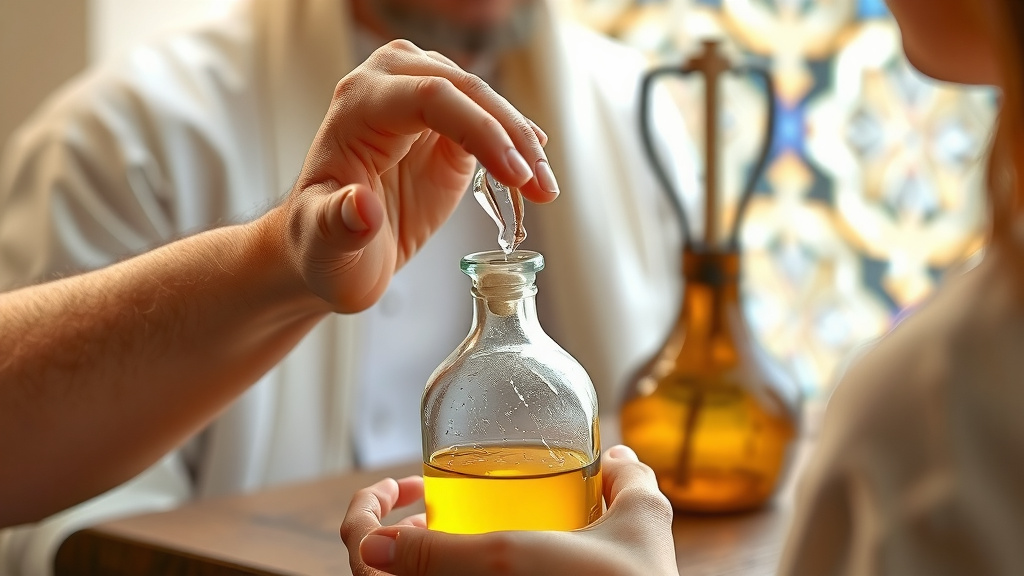
Anointing yourself or another person with olive oil is a sacred practice. It’s about setting an intention and inviting a blessing. The act itself is quite straightforward. Think of it as a simple, yet powerful, way to connect with your spiritual side. Many traditions use this method for various purposes.
Choosing Your Olive Oil
The type of olive oil you use matters. For spiritual purposes, extra virgin olive oil is often recommended. This is because it’s the least processed form. It retains more of its natural properties and purity. Many believe this purity is essential for sacred rituals. You can find good quality extra virgin olive oil at most grocery stores. Just check the label to ensure it’s 100% pure.
Preparing for the Anointing
Before you begin, take a moment to set your intention. What is the purpose of this anointing? Are you seeking healing, peace, or consecration? Focus on this intention clearly in your mind. You might want to create a calm and quiet space. Some people like to light a candle or play soft music. This helps to create a serene atmosphere conducive to spiritual practice. It’s like preparing a stage for an important ceremony.
Creating a Sacred Space
Find a place where you won’t be disturbed. This could be a corner of your home, a garden, or a quiet room. Make sure the lighting is soft and calming. Some individuals find it helpful to cleanse the space beforehand, perhaps by smudging with sage or simply opening windows for fresh air. The goal is to create an environment that feels peaceful and protected.
Setting Your Intention
Your intention is the heart of the anointing. Before touching the oil, speak your intention aloud or think it very clearly. For example, you might say, “I anoint myself with this oil for healing and peace.” Or, “May this oil bless this home and fill it with love.” Being specific helps focus your energy. This focused energy is what gives the ritual its power.
The Anointing Process
Now, let’s get to the actual anointing. You don’t need much oil. Just a few drops are typically sufficient. You can dip your fingertip into the oil. Then, you’ll apply it to a specific part of the body or an object. The most common places for personal anointing are the forehead, hands, or heart area. These are seen as centers of thought, action, and emotion.
Anointing Your Forehead
Applying oil to the forehead is very common. It’s often associated with wisdom and clarity. Gently touch your fingertip to the oil. Then, make a small cross or a simple mark on your forehead. As you do this, focus on your intention for clear thinking and spiritual understanding. Many spiritual leaders and texts suggest this practice.
Anointing Your Hands
Anointing the hands can symbolize consecrating your actions. It’s about ensuring your work and deeds are guided by positive intentions. You can apply a small amount of oil to the palms of your hands or the back of your hands. Think about the tasks you perform and how you can bring goodness into them. This is a physical reminder to act with kindness and purpose.
Anointing Other Areas
Depending on your intention, you might choose other areas. For emotional healing, you might anoint your heart. For physical well-being, some might anoint areas of discomfort. Always listen to your intuition about where the oil should be applied. Remember, it’s a personal and spiritual act. For objects, you might anoint a religious item, a new home’s doorway, or a tool you use regularly.
What to Do After Anointing
Once the anointing is complete, you can simply pause. Take a few deep breaths. Sit quietly for a few moments. Allow the feeling of the ritual to settle within you. You don’t need to wash the oil off immediately. It can be left on as a symbol of the blessing. Many find the lingering scent and feeling comforting.
Meditation and Reflection
After the physical act of anointing, a period of quiet reflection is beneficial. You might sit in meditation, focusing on the peace or healing you’ve invoked. This quiet time allows the spiritual energy to integrate. It reinforces the intention you set at the beginning. Think of it as letting the message sink in.
Cleaning Up and Storage
If you used a small amount of oil on your skin, it will absorb naturally. If you have excess oil or anointed an object, you can wipe it clean with a cloth. Store your olive oil in a cool, dark place. It’s best to keep it in its original dark glass bottle to protect it from light. This helps maintain its purity and effectiveness for future use.
Checklist for Your Anointing Practice
- Gather your extra virgin olive oil.
- Find a quiet, peaceful space.
- Clearly define your spiritual intention.
- Apply a small amount of oil with purpose.
- Pause and reflect after the anointing.
- Store your oil properly for next time.
Conclusion
You’ve learned that anointing with olive oil is a beautiful, accessible spiritual practice. It’s about setting a clear intention, using pure extra virgin olive oil, and performing the ritual in a calm space. Whether you’re seeking personal blessings, healing, or consecration, the act is simple yet deeply meaningful. Remember, your intention is the most powerful element. Try incorporating this practice into your routine to deepen your spiritual connection. Begin by anointing your forehead with a clear intention for peace today.
Frequently Asked Questions
Can I use any type of olive oil for anointing?
While any olive oil can be used, extra virgin olive oil is highly recommended for spiritual anointing. This is because it’s the least processed and believed to hold the most purity. Its natural qualities are seen as essential for sacred rituals.
How often should I anoint myself or others?
The frequency of anointing is entirely personal. Some people anoint themselves daily as part of their morning routine. Others may do it weekly or only when they feel a specific need for blessing or healing. Listen to your intuition.
What if I don’t have a specific prayer or blessing to say?
You don’t need a formal prayer. Simply focus on your genuine intention. Holding a clear thought of what you wish to achieve with the anointing is enough. Your heartfelt desire guides the spiritual energy.
Is it okay to leave the olive oil on my skin after anointing?
Yes, it is perfectly fine to leave the olive oil on your skin. It is often seen as a symbol of the blessing you have received. The oil will absorb naturally over time, leaving a subtle scent that can be comforting.
Can I use olive oil to anoint objects instead of people?
Absolutely. Anointing objects is a common practice to consecrate them for sacred use. You might anoint religious items, a new home’s doorway, or tools you use for creative work. Focus your intention on the object’s purpose.

![7 Best Olive Oil Brand At Whole Foods [2026]](https://bestpureessentialoils.com/wp-content/uploads/2026/09/7-best-olive-oil-brand-at-whole-foods-2026-featured-768x432.jpg)