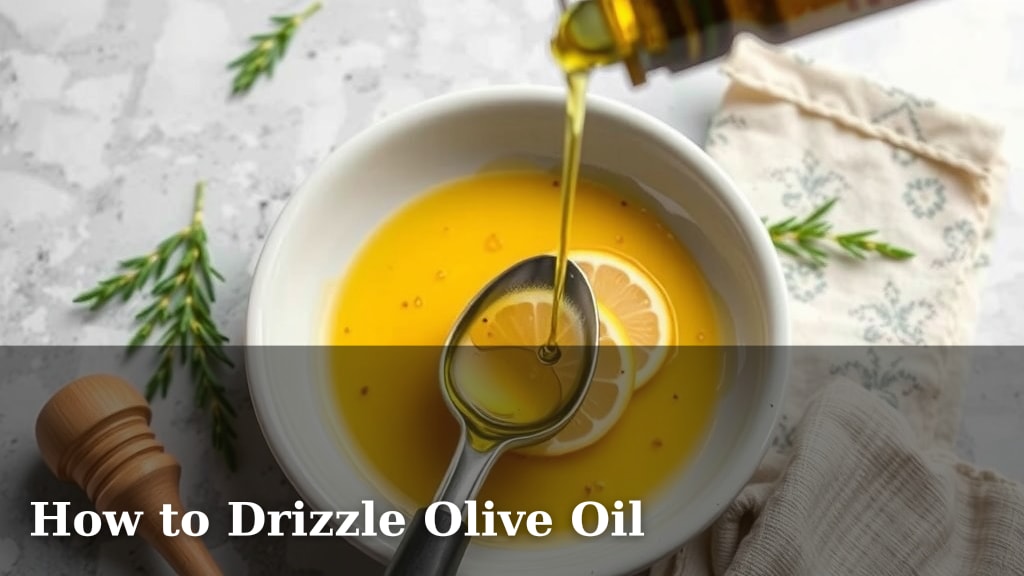
How to Drizzle Olive Oil
The best way to drizzle olive oil is to tilt the bottle at a moderate angle over your food, allowing the oil to flow out in a steady, controlled stream. You can adjust the speed by changing the tilt angle. For a finer drizzle, hold the bottle slightly higher. For a thicker pour, lower it closer to your dish. This technique helps you get the perfect amount of delicious olive oil every time, avoiding clumps or messy spills.
Getting your olive oil drizzle just right can really make a dish sing. It’s not just about pouring; it’s about adding the finishing touch. Many chefs suggest using a good quality extra virgin olive oil for drizzling, as its flavor is more pronounced. We found that practicing with different bottles can help you get a feel for their flow. Consider the surface area you want to cover and the intensity of flavor you’re aiming for.
TL;DR:
- Tilt the bottle to let oil flow steadily.
- Adjust tilt angle for thicker or finer streams.
- Hold higher for a finer drizzle, lower for more.
- Use good quality extra virgin olive oil for best flavor.
- Practice makes perfect for that ideal finish!
Ready to master the art of the olive oil drizzle? Let’s walk through exactly how to achieve that perfect pour for your favorite meals.
Achieving the Perfect Olive Oil Drizzle for Your Dishes
Drizzling olive oil is an art form. It’s about adding flavor and visual appeal. A well-executed drizzle can transform a simple dish into something special. It’s more than just pouring; it’s about control and intention. We want to help you master this simple yet impactful technique.
Understanding Your Olive Oil Bottle
Bottle Shapes and Flow Control
Have you ever noticed how different olive oil bottles pour? Some have a narrow spout, while others have a wider opening. These variations can affect the flow of the oil. A bottle with a stopper or a specially designed pouring spout often gives you more control. Research suggests that the **viscosity of the oil** also plays a role in how it flows. Thicker oils may pour differently than lighter ones.
The Importance of a Good Pour Spout
Many bottles come with a simple cap. Others have a metal pour spout. A dedicated pour spout can make a world of difference. It’s designed to regulate the flow, preventing glugging. This allows for a more consistent and controlled stream. If your bottle doesn’t have one, you can often purchase a separate pour spout. This is a small investment that can greatly improve your drizzling experience.
The Drizzling Technique: Step-by-Step
Getting Ready to Pour
Before you even pick up the bottle, consider your dish. Are you drizzling over a salad, a piece of fish, or a finished pasta? The surface area you want to cover matters. You’ll want to hold the bottle at an angle that allows for a steady, thin stream. Imagine you’re painting with oil; you want to create delicate lines, not a flood. We found that a **45-degree angle** is often a good starting point.
The Art of the Tilt
Grip the bottle comfortably. Then, tilt it gently over your food. Watch the oil start to flow. Don’t rush it! A slow, deliberate tilt is key. If the oil comes out too fast, adjust the angle. Lift the bottle a little higher. If it’s barely coming out, increase the tilt angle slightly. It’s all about finding that sweet spot. This **controlled flow** ensures even distribution.
Achieving Different Drizzle Thicknesses
Want a finer mist? Hold the bottle a bit higher and tilt it more sharply. This disperses the oil into smaller droplets. Need a slightly thicker stream for a richer flavor? Lower the bottle and reduce the tilt angle. Experimentation is your friend here. You’ll quickly learn how to manipulate the angle and height to get the desired effect. Many culinary schools teach this technique, emphasizing **precision and practice**.
Fine Drizzle for Delicate Flavors
For salads with light vinaigrettes or a simple piece of grilled white fish, a fine drizzle is ideal. You want to lightly coat the food without overwhelming its natural taste. This technique requires a higher tilt angle and holding the bottle further from the dish. It’s about creating a delicate sheen, not pooling oil. Research in food science points to how surface area affects flavor perception, and a fine drizzle maximizes this.
Thicker Pour for Robust Dishes
On heartier dishes, like roasted vegetables or a thick steak, you might want a more generous pour. Lower the bottle closer to the food and use a less acute angle. This results in a more substantial stream of oil. This allows the rich flavor of the olive oil to be a more prominent component of the dish. Think of it as adding an extra layer of deliciousness.
Common Drizzling Mistakes to Avoid
One common error is pouring directly from a high height. This can cause the oil to splatter and create an uneven mess. Another mistake is holding the bottle too close and at too steep an angle, leading to a single, thick glob of oil. We’ve all been there! The goal is a **consistent, even coating**. Pay attention to the flow and adjust as needed. It’s about being present with your cooking.
Choosing the Right Olive Oil for Drizzling
Extra Virgin Olive Oil: The Top Choice
For drizzling, experts almost always recommend extra virgin olive oil (EVOO). Why? Because EVOO has the most robust flavor and aroma. It hasn’t been heavily processed, so it retains its natural qualities. The peppery, fruity notes can add a wonderful dimension to your food. Many chefs say it’s the **secret ingredient** that elevates simple dishes. According to the International Olive Council, EVOO is the highest grade of olive oil.
Flavor Profiles to Consider
Olive oils vary greatly in taste. Some are mild and buttery, while others are pungent and peppery. Think about the flavor of your dish. A delicate seafood dish might pair best with a mild EVOO. A hearty stew or grilled steak could handle a more robust, grassy oil. Consider the origin, too; Italian oils often have different notes than Spanish or Greek ones. We found that keeping a couple of different EVOOs on hand allows for great versatility.
When to Use Other Olive Oils
While EVOO is best for drizzling, you might use other types for cooking. Regular olive oil or light olive oil have a higher smoke point. They are better suited for high-heat cooking methods. However, for that finishing touch, you want the **best flavor and aroma**, which is why EVOO reigns supreme for drizzling.
Tips for Perfecting Your Drizzle
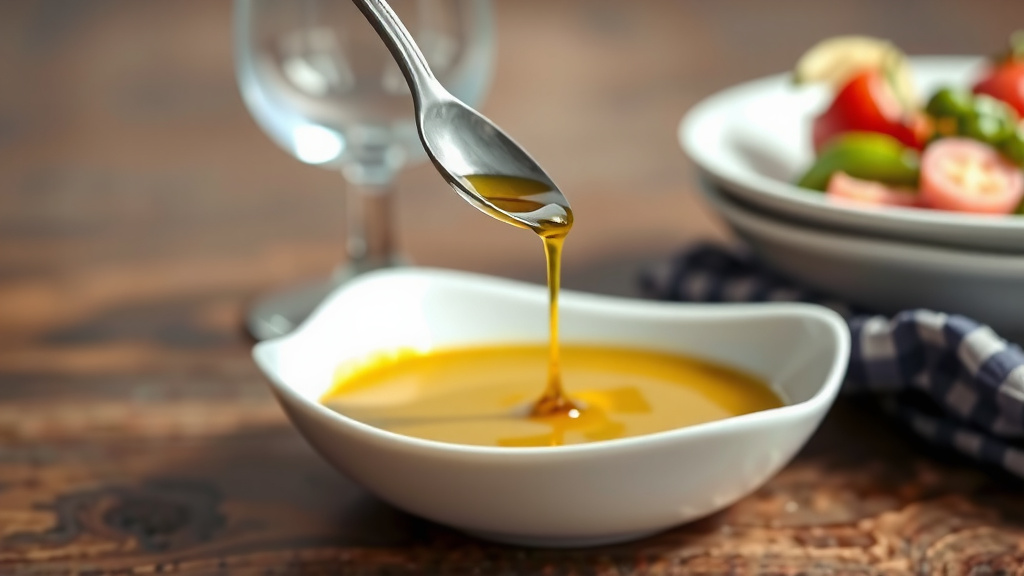
Practice makes perfect. Don’t be afraid to experiment. You can even practice over a piece of parchment paper before plating your food. This helps you get a feel for the bottle’s flow. Observe how the oil behaves. Notice the stream’s consistency. With a little attention, you’ll soon be drizzling like a pro. Remember, it’s a simple step that adds a lot of **flavor and visual appeal**.
Your Olive Oil Drizzling Checklist
- Select a good quality extra virgin olive oil.
- Ensure your bottle has a suitable pour spout.
- Hold the bottle at a moderate angle (around 45 degrees).
- Tilt slowly and steadily for a controlled stream.
- Adjust height and angle for fine or thicker drizzles.
- Practice on parchment paper to build confidence.
Conclusion
You’ve learned that drizzling olive oil is a simple technique that can make a big difference. It’s all about a controlled pour for maximum flavor and visual appeal. Remember to choose a quality extra virgin olive oil for the best taste. Pay attention to your bottle’s spout and the angle you hold it. Practice is key to mastering that perfect stream. Now you’re ready to go beyond just pouring and truly finish your dishes with flair.
Your next step is to grab your favorite olive oil and practice the tilt. Try it on a simple salad or a piece of crusty bread. You’ll be drizzling like a pro in no time, enhancing every meal you prepare.
Frequently Asked Questions
How do I know if my olive oil bottle has a good pour spout?
Look for a spout that allows for a steady flow without glugging. Metal pour spouts or those with a small stopper often provide the best control. If your bottle has a wide opening with just a cap, consider purchasing a separate pour spout. We’ve found this small addition makes a significant difference in achieving a fine drizzle.
Can I drizzle any type of olive oil?
While you can drizzle any olive oil, extra virgin olive oil (EVOO) is highly recommended for drizzling. EVOO has the most robust flavor and aroma, which adds a wonderful finishing touch to your dishes. Other olive oils are better suited for cooking due to their higher smoke points and milder flavors.
What if my olive oil comes out too fast or too slow?
You can adjust the flow by changing the tilt angle and the height of the bottle. For a faster or thicker pour, lower the bottle closer to the food and use a less steep angle. If the oil flows too quickly, lift the bottle higher and increase the tilt angle for a finer stream. It’s about finding that sweet spot with practice.
Why is the angle of the bottle so important?
The angle of the bottle directly controls the flow rate of the olive oil. A steeper angle allows the oil to flow out more quickly, while a shallower angle results in a slower, more controlled stream. This control is essential for creating an even coating and preventing large, messy puddles of oil on your food.
Is it okay to practice drizzling before putting it on my food?
Absolutely! Practicing on parchment paper or even a clean plate is a great idea. This allows you to get a feel for your bottle’s unique flow and experiment with different angles and heights. You’ll build confidence and ensure you achieve that perfect drizzle on your actual dish.

![7 Best Glass Olive Oil Sprayer [2026]](https://bestpureessentialoils.com/wp-content/uploads/2026/08/7-best-glass-olive-oil-sprayer-2026-featured-768x432.jpg)