
Avocado Oil vs Olive Oil Calories: What’s the Difference
When comparing avocado oil calories versus olive oil, you’ll find they are remarkably similar. Both are packed with healthy fats, making them great choices for your kitchen. Generally, they contain about 120 calories per tablespoon. So, neither is a clear “winner” if you’re strictly counting calories for weight loss.
It’s the type of fat that sets them apart slightly. Olive oil, especially extra virgin, is famed for its monounsaturated fats and antioxidants. Avocado oil also boasts these healthy fats, with a bit more polyunsaturated fat. Many health experts consider both to be heart-healthy options for your cooking needs.
- Avocado oil and olive oil have nearly identical calories.
- Both offer around 120 calories per tablespoon.
- They are both rich in healthy monounsaturated fats.
- Olive oil has a slight edge in antioxidants.
- Both are excellent choices for a healthy diet.
Let’s dive into the details and see how these two popular cooking oils stack up against each other.
Breaking Down the Calories: Avocado Oil vs. Olive Oil
So, you’re curious about the calorie count in avocado oil compared to olive oil. You’ve likely heard they’re pretty close, and that’s absolutely true! For anyone keeping a close eye on their intake, this is great news. Both are fantastic sources of healthy fats, and neither will send your calorie count skyrocketing compared to the other. Generally, you’re looking at about 120 calories per tablespoon for both.
This means that if your main goal is strict calorie reduction, neither oil is a magical solution. The difference is so minimal that it’s unlikely to impact your overall weight management efforts. What truly matters is the quality of those calories and the type of fats they provide.
Understanding the Fat Content: What’s Inside?
When we talk about healthy oils, we’re really talking about the types of fats they contain. Both avocado oil and olive oil are rich in monounsaturated fats (MUFAs). These are often called “heart-healthy” fats because research suggests they can help improve cholesterol levels. This is a big win for your cardiovascular system!
Monounsaturated Fats: The Star Players
These fats are a cornerstone of a balanced diet. They are liquid at room temperature but start to solidify when chilled. Think of the way olive oil might get a little cloudy in the fridge. Your body benefits from MUFAs in many ways. They can play a role in reducing inflammation and supporting overall health.
Polyunsaturated Fats: A Supporting Role
While both oils are primarily monounsaturated, avocado oil tends to have a slightly higher proportion of polyunsaturated fats (PUFAs) compared to olive oil. PUFAs include omega-3 and omega-6 fatty acids. These are essential fats, meaning your body can’t make them, so you need to get them from food. The balance between omega-3 and omega-6 is important, and both oils offer a good profile.
A Closer Look at Avocado Oil
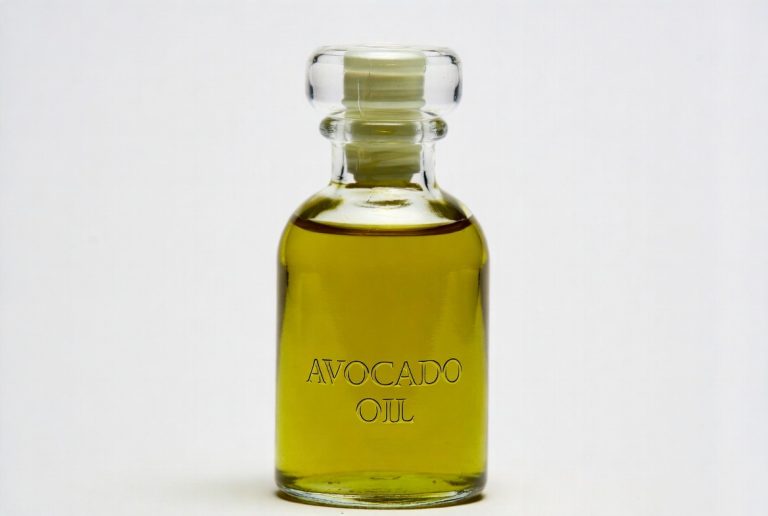
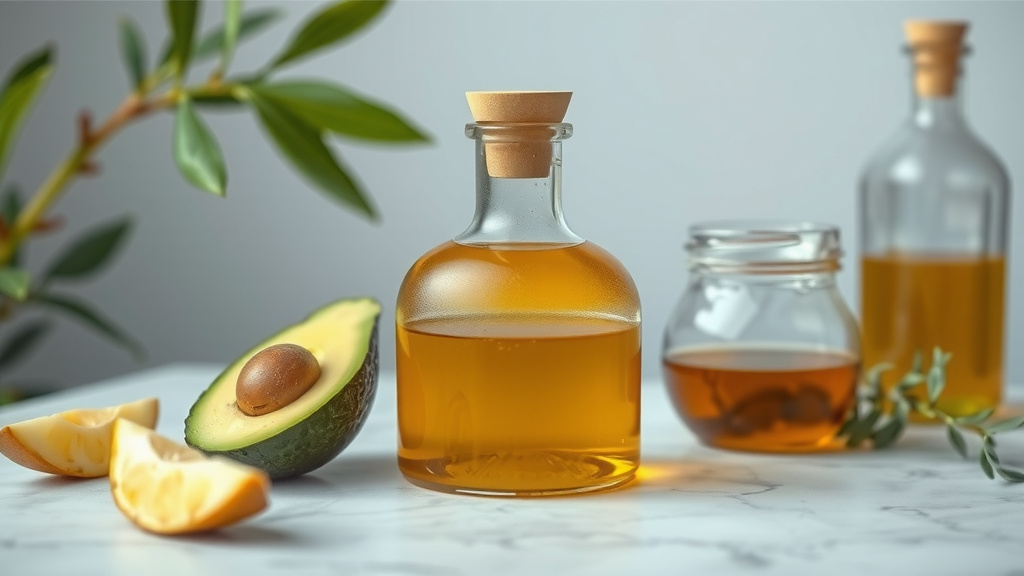
Avocado oil is extracted from the pulp of the avocado fruit. It’s known for its high smoke point, making it a favorite for high-heat cooking like searing and frying. Its flavor is mild and buttery, which many home cooks find versatile.
What Makes Avocado Oil Shine?
Beyond its healthy fats, avocado oil contains beneficial compounds. It’s a good source of vitamin E, an antioxidant. Research from the journal Nutrients has indicated that avocado oil may help increase the absorption of fat-soluble vitamins from other foods you eat. This means drizzling it on your salad could be even more beneficial!
The Nutritional Breakdown
In a tablespoon, you’ll find:
- Around 120 calories.
- About 14 grams of total fat.
- A high percentage of monounsaturated fats (often 70% or more).
- A smaller amount of polyunsaturated fats.
- A minimal amount of saturated fat.
A Deep Dive into Olive Oil
Olive oil, particularly extra virgin olive oil (EVOO), has been celebrated for centuries for its health benefits and culinary uses. It’s pressed from olives, and the “extra virgin” designation means it’s the highest quality, least processed form. This is why EVOO is often recommended for its rich flavor and abundant antioxidants.
Why Olive Oil Gets So Much Praise
Olive oil is renowned for its polyphenols, a type of antioxidant. These compounds are thought to have anti-inflammatory properties and contribute to heart health. The lower the acidity and the less refined the oil, the higher the polyphenol content typically is. This is why many nutritionists suggest reaching for extra virgin olive oil whenever possible.
Olive Oil’s Nutrient Profile
Just like avocado oil, a tablespoon of olive oil typically contains:
- Around 120 calories.
- Roughly 14 grams of total fat.
- A high proportion of monounsaturated fats (usually around 73%).
- A smaller amount of polyunsaturated fats.
- A small amount of saturated fat.
Comparing Them Side-by-Side
Let’s put their numbers and benefits into a clear comparison. It helps to visualize how they stack up when you’re deciding which to use.
| Feature | Avocado Oil (per tablespoon) | Olive Oil (Extra Virgin, per tablespoon) |
|---|---|---|
| Calories | ~120 | ~120 |
| Total Fat | ~14g | ~14g |
| Monounsaturated Fat | High (~70%+) | High (~73%) |
| Polyunsaturated Fat | Moderate | Moderate |
| Saturated Fat | Low | Low |
| Key Antioxidants | Vitamin E | Polyphenols |
| Smoke Point | High | Medium (EVOO) to High (Refined) |
What the Research Suggests
When we look at health guidelines, both oils are consistently recommended for their beneficial fat profiles. The American Heart Association, for instance, often points to oils rich in monounsaturated and polyunsaturated fats as part of a heart-healthy diet. Studies published in journals like the Journal of the American College of Nutrition have examined the health impacts of these oils, generally finding positive associations with cardiovascular health for both.
Smoke Point Matters for Cooking
One of the most practical differences you’ll notice in the kitchen is the smoke point. Avocado oil generally has a higher smoke point than extra virgin olive oil. This means it can withstand higher temperatures before it starts to smoke and break down. For high-heat cooking methods like stir-frying or pan-searing, avocado oil might be your preferred choice.
Extra virgin olive oil has a lower smoke point, making it ideal for salad dressings, drizzling over finished dishes, or lower-heat cooking like sautéing. Refined olive oil has a higher smoke point but fewer of the beneficial compounds found in EVOO.
Choosing the Right Oil for You
So, which one should you pick? It really depends on what you’re using it for and your personal preferences.
When to Reach for Avocado Oil
You might want to grab the avocado oil when you’re:
- Searing meats or fish at high temperatures.
- Stir-frying vegetables.
- Baking when a neutral flavor is desired.
- Looking for an oil with a very high smoke point.
When Olive Oil Takes the Crown
Olive oil shines when you’re:
- Making salad dressings or marinades.
- Drizzling over pasta, grilled vegetables, or soups.
- Sautéing at medium heat.
- Wanting to add a distinct, fruity flavor to your dishes.
- Prioritizing high polyphenol intake.
Ultimately, having both in your pantry gives you flexibility for all your culinary adventures. Both contribute healthy fats and offer unique benefits!
Conclusion
When you look at avocado oil calories versus olive oil, you’ll see they’re practically twins! Both offer around 120 calories per tablespoon and are rich in healthy monounsaturated fats. Your choice often comes down to your cooking method and flavor preference. Avocado oil’s high smoke point makes it perfect for searing, while olive oil’s flavor shines in dressings and finishing drizzles. Don’t stress too much about tiny calorie differences; focus on enjoying the heart-healthy benefits both oils bring to your meals. Next time you’re cooking, consider which oil’s unique properties will best enhance your dish!
Frequently Asked Questions
Is one oil significantly lower in calories than the other?
No, both avocado oil and olive oil contain approximately 120 calories per tablespoon. The calorie counts are so similar that focusing on this tiny difference for weight management isn’t typically effective. You can use either oil, enjoying their healthy fats without major calorie concerns.
Which oil is better for heart health?
Both oils are considered excellent for heart health due to their high content of monounsaturated fats. Olive oil, especially extra virgin, is often praised for its higher levels of antioxidants called polyphenols. Research suggests both contribute positively to cardiovascular wellness.
Can I substitute avocado oil for olive oil in any recipe?
Yes, you can often substitute them, especially in recipes where the flavor isn’t the primary focus. However, keep the smoke point in mind. Avocado oil’s higher smoke point makes it better for high-heat cooking, while olive oil is ideal for dressings or lower-heat applications.
Does the type of olive oil (e.g., extra virgin vs. regular) matter for calories?
The calorie count remains nearly identical across different types of olive oil, including extra virgin. The main differences lie in flavor and nutrient content, particularly antioxidants. Extra virgin olive oil generally has more beneficial compounds than refined olive oil.
Are there any fat types that avocado oil has more of than olive oil?
Avocado oil may contain a slightly higher proportion of polyunsaturated fats compared to olive oil. Both oils are predominantly monounsaturated fats, which are the main health benefit. The difference in polyunsaturated fats is usually not substantial enough to be a deciding factor for most people.

![7 Best Olive Oils [2026]](https://bestpureessentialoils.com/wp-content/uploads/2026/07/7-best-olive-oils-2026-featured-768x432.jpg)