Avocado Oil vs Olive Oil Price: Which is Cheaper
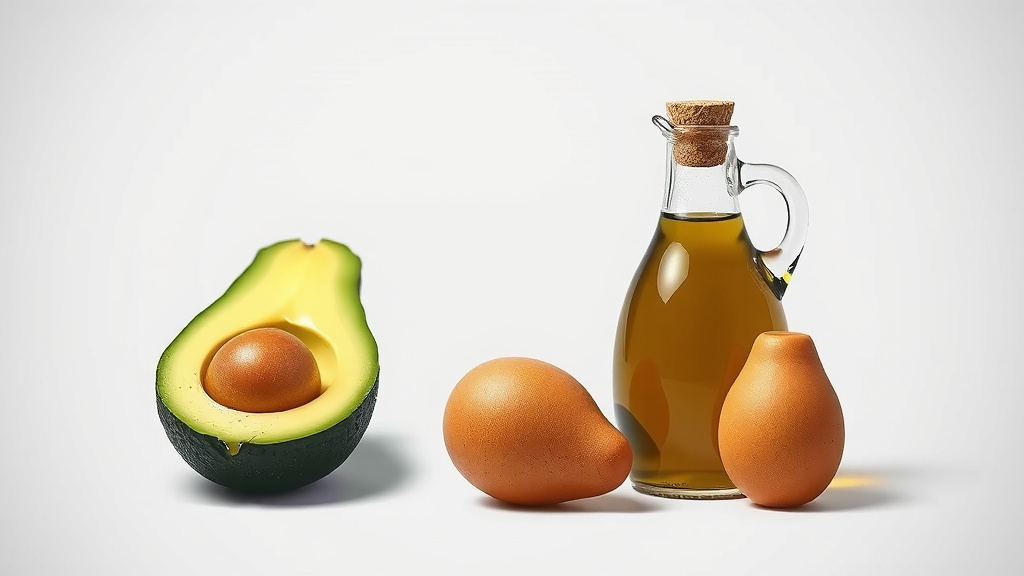
Generally, avocado oil is more expensive than olive oil. This is primarily due to the higher production costs associated with avocado oil. While both are popular cooking fats, their price points often differ significantly on the grocery store shelf.
You might be wondering why there’s a price gap between these two healthy oils. We found that several factors contribute to this difference, including the yield per fruit and the overall availability of the crop. It’s interesting to see how these elements impact your kitchen budget.
- Avocado oil typically costs more than olive oil.
- Higher production costs contribute to avocado oil’s price.
- Yield from fruit and crop availability play a role.
- Olive oil is generally more widely produced.
Let’s break down the reasons behind these price differences and see which oil might be the better fit for your cooking and your wallet.
Why Avocado Oil Costs More Than Olive Oil
You’ve likely noticed that avocado oil often comes with a higher price tag than olive oil. We found that this price difference isn’t just random. Several factors related to how these oils are produced and harvested contribute to why you pay more for avocado oil.
Understanding Avocado Oil Production Costs
Growing avocados is more labor-intensive than growing olives. This means higher labor costs are passed on to you. The trees also need specific climates and consistent watering, which can increase farming expenses.
Yield: The Avocado’s Small Return
One of the biggest reasons for avocado oil’s higher price is its low yield per fruit. It takes a lot of avocados to make a small amount of oil. We found that it can take anywhere from 15 to 20 large avocados to produce just one cup of avocado oil. Compare this to olives, where a single olive tree can produce a much greater volume of oil.
The Hassle of Harvesting
Avocado trees are often taller and can be trickier to harvest than olive trees. This often requires more manual labor or specialized equipment. This added effort in harvesting directly impacts the final cost you see at the store.
Olive Oil: A More Abundant Crop
Olive oil, on the other hand, benefits from a more established and widespread production system. Olive trees are incredibly resilient and can grow in a variety of conditions, leading to larger, more consistent harvests.
Higher Volume, Lower Price
Because olive groves produce so much more fruit per tree, the oil extraction process is generally more efficient. This higher volume means the cost of production per liter is lower. We found that olive oil is a staple in many cuisines, leading to economies of scale in its production and distribution.
Global Availability and Competition
Countries like Spain, Italy, and Greece have been producing olive oil for centuries. This long history means there’s a well-developed infrastructure and a highly competitive market. More producers and a wider distribution network help keep olive oil prices more stable and generally lower.
Comparing Oil Quality and Processing
Beyond the raw production numbers, the way each oil is processed also plays a role in its price and your perception of its quality.
Avocado Oil: Often Cold-Pressed for Quality
High-quality avocado oil is typically cold-pressed. This method uses mechanical pressing without heat. It helps preserve the oil’s nutrients and delicate flavor. This gentle processing, however, can be more expensive and yield less oil than other methods.
Olive Oil: A Spectrum of Processing Methods
Olive oil has a wider range of processing methods. Extra virgin olive oil (EVOO) is also cold-pressed and is generally the most expensive type. However, other grades of olive oil might use heat or chemical refining. These processes are often cheaper and can produce more oil, contributing to the lower average price of olive oil.
Factors Affecting Your Grocery Bill
When you’re standing in the aisle, several other things can influence the price you pay for either oil.
Brand Reputation and Marketing
Like many products, brands that invest heavily in marketing and have a strong reputation may charge more. You might see premium pricing for avocado oils that are marketed as health-focused or artisanal. We found that sometimes, you’re paying for the brand name as much as the oil itself.
Packaging and Size
The type of container can also affect the price. Glass bottles are more expensive than plastic. Larger jugs often offer better value per ounce. Always check the price per unit to make the most informed choice for your budget.
Organic and Specialty Varieties
Both avocado and olive oils can come in organic or specialty varieties. Organic farming practices can increase production costs, leading to a higher price. Specialty oils, like those infused with herbs or from specific regions, will also command a premium. These factors can make both oils more expensive.
When Does It Make Sense to Pay More?
While avocado oil is generally pricier, there are times when paying extra might be worthwhile for your cooking needs.
Avocado oil has a very high smoke point, making it excellent for high-heat cooking like searing and frying. Its neutral flavor also means it won’t interfere with the taste of your food. If you do a lot of intense cooking, the performance benefits might justify the higher cost for you.
Olive oil, especially extra virgin, is fantastic for dressings, marinades, and finishing dishes. Its distinct flavor can enhance many recipes. For these uses, its lower price point is usually quite appealing. We found that many home cooks use both oils, opting for the best tool for the culinary job at hand.
Your Kitchen Checklist: Choosing Between Oils
To help you decide which oil fits your needs and budget, consider this quick checklist:
- Cooking Method: High heat needs a high smoke point oil.
- Flavor Profile: Do you want a neutral oil or one with flavor?
- Budget: How much are you willing to spend per use?
- Nutritional Goals: Both offer healthy fats, but research specific benefits.
- Recipe Needs: Some recipes specifically call for one oil over the other.
- Storage: Consider how you’ll store the oil for freshness.
| Feature | Avocado Oil | Olive Oil (Extra Virgin) |
|---|---|---|
| Typical Price | Higher | Moderate |
| Smoke Point | Very High (520°F / 271°C) | Medium-High (375°F / 190°C) |
| Flavor | Neutral | Fruity, Peppery |
| Best Uses | Frying, Searing, Baking | Salad Dressings, Marinades, Finishing |
| Production Yield | Low | High |
Conclusion
You’ve learned that avocado oil generally costs more than olive oil. This price difference comes down to avocado’s lower yield and trickier harvest. Olive oil benefits from more efficient, widespread production. Both oils bring unique benefits to your kitchen, from avocado oil’s high smoke point for searing to olive oil’s distinct flavor for dressings. When you’re shopping, consider your cooking habits and budget. Think about what you’ll use the oil for most often. Making an informed choice means getting the best performance and flavor for your meals without overspending.
Frequently Asked Questions
Is avocado oil healthier than olive oil?
Both avocado oil and olive oil are rich in healthy monounsaturated fats. Research and found that they offer different nutritional profiles. Avocado oil is often praised for its vitamin E content and neutral flavor. Olive oil, especially extra virgin, is known for its antioxidants and beneficial compounds.
Why is extra virgin olive oil more expensive than regular olive oil?
Extra virgin olive oil (EVOO) is cold-pressed from olives without using heat or chemicals. This method preserves its natural flavor, color, and nutrients, making it the highest quality. Other types of olive oil may go through more processing, which is less costly.
Can I substitute avocado oil for olive oil in recipes?
Yes, you often can. For high-heat cooking like frying or sautéing, avocado oil’s high smoke point makes it a great substitute. For dressings or recipes where olive oil’s flavor is key, you might notice a difference. You might need to add other flavorings if you miss the olive oil taste.
Does the brand of avocado oil or olive oil affect the price?
Yes, brand reputation and marketing efforts can influence the price. Premium brands that invest heavily in branding and packaging may charge more. We found that sometimes you are paying for the brand name, not just the oil itself.
Are there ever times when olive oil is more expensive than avocado oil?
Generally, no. However, extremely rare, single-origin, or highly specialized artisanal olive oils can sometimes command higher prices than standard avocado oils. But for everyday grocery shopping, you’ll find avocado oil is typically the more expensive option.

![7 Best First Press Olive Oil [2026]](https://bestpureessentialoils.com/wp-content/uploads/2026/08/7-best-first-press-olive-oil-2026-featured-768x432.jpg)