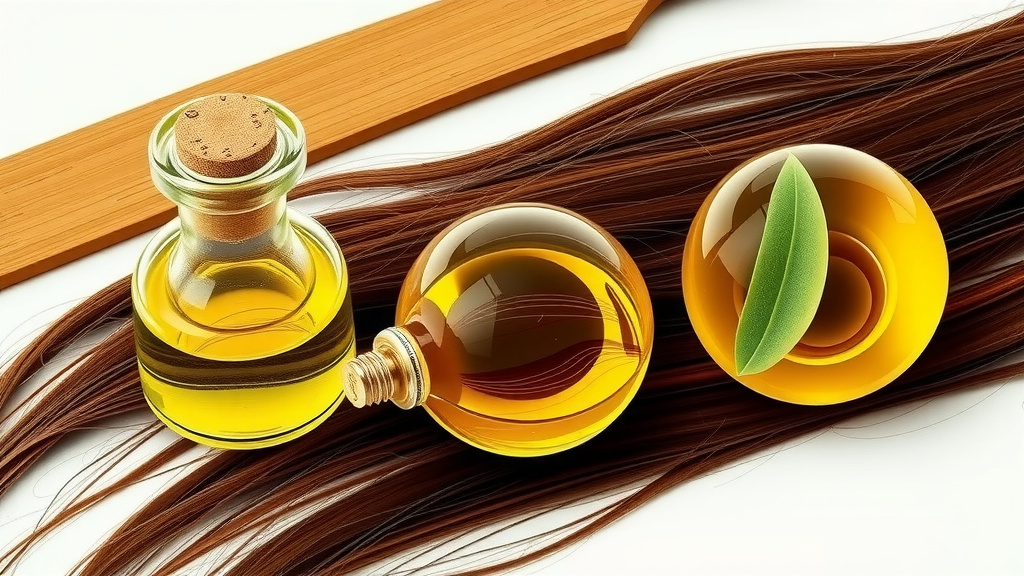
Canola Oil vs Olive Oil for Hair: Which is Best
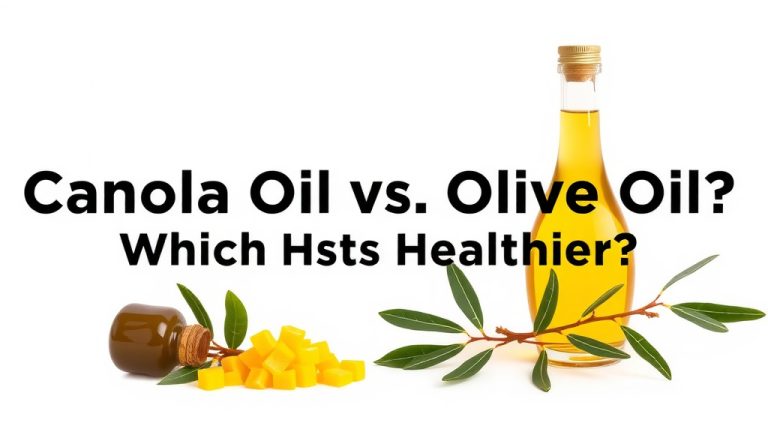
When deciding between canola oil and olive oil for your hair, olive oil is generally the better choice for most people. While both offer some benefits, olive oil’s rich fatty acid profile and antioxidants make it a more effective moisturizer and protector for your strands. Canola oil can work in a pinch, but it’s less renowned for hair conditioning.
You might be wondering which kitchen staple can double as a beauty secret. Both oils contain fatty acids that can help smooth and add shine. However, the quality and quantity of these beneficial compounds differ. Many experts suggest olive oil’s higher concentration of oleic acid and vitamin E offers superior nourishment and scalp health.
- Olive oil is often preferred for hair.
- It’s richer in beneficial fatty acids and antioxidants.
- Canola oil can offer some moisture.
- Consider your hair type and goals.
Let’s break down what each oil brings to the table so you can make the best decision for your hair.
Canola Oil Versus Olive Oil for Your Hair
When you’re looking at your pantry for hair help, you’ll find both canola oil and olive oil. We’ve looked into what makes each one tick. Olive oil is usually seen as the winner for hair care. It’s packed with things your hair loves. Canola oil can lend a hand, but it’s not as well-known for making hair shine.
Understanding the Key Differences
Both oils come from plants, so they share some common ground. They’re both made up of fatty acids. These are the building blocks that can help smooth your hair cuticles. They can also add a nice sheen. But the **types and amounts** of these fatty acids are quite different. This is where olive oil really starts to shine.
Olive Oil’s Hair-Loving Properties
Olive oil has been used for centuries for many reasons. For hair, its star player is **oleic acid**. This is a monounsaturated fatty acid. It’s known for being a great moisturizer. Think of it like a gentle, hydrating hug for your strands. It helps to **penetrate the hair shaft** more easily than some other fats.
You’ll also find **vitamin E** in olive oil. This is a powerful antioxidant. Antioxidants help protect your hair from damage. They can fight off free radicals. These are unstable molecules that can harm your hair cells. Vitamin E also supports a **healthy scalp environment**. A happy scalp means happy hair!
There are different kinds of olive oil, too. Extra virgin olive oil (EVOO) is generally considered the best. This is because it’s less processed. It retains more of its natural vitamins and antioxidants (National Health Service, UK). This makes it a more potent treatment for your hair.
Canola Oil: What It Offers
Canola oil comes from the rapeseed plant. It’s very common in cooking. It’s also a good source of fatty acids, including oleic acid. You’ll find some vitamin E in canola oil, though usually in **smaller amounts** than in olive oil. This means it can still offer some conditioning benefits.
Canola oil is quite light. This can be a good thing for some hair types. It might not weigh down fine hair as much. However, its overall **nutritional profile for hair** is not as robust as olive oil’s. It’s more of a basic moisturizer.
Comparing Their Impact on Hair
So, how do they actually work on your hair? Let’s put them side-by-side.
| Feature | Olive Oil | Canola Oil |
|---|---|---|
| Primary Fatty Acid | Oleic Acid (high) | Oleic Acid (moderate) |
| Antioxidants (e.g., Vitamin E) | Rich | Moderate |
| Penetration Ability | Good | Fair |
| Moisture Level | High | Moderate |
| Best For | Dry, damaged, thick hair; scalp health | Light conditioning for fine hair; everyday use |
Moisture and Hydration
Both oils can help add moisture to your hair. This is key to preventing dryness and breakage. Olive oil, with its higher oleic acid content, tends to be a **superior hydrator**. It can really quench thirsty strands. Canola oil offers a decent level of moisture. It can help smooth frizz and add a bit of shine.
Strength and Shine
When your hair is well-moisturized, it often feels stronger. Olive oil’s nutrients can also contribute to hair **strength**. The fatty acids can coat the hair shaft. This helps to protect it from environmental stressors. Both oils can make your hair look shinier. Olive oil often provides a more noticeable, lasting shine.
Scalp Health Considerations
Don’t forget your scalp! A healthy scalp is the foundation for healthy hair growth. Olive oil’s emollient properties can help to **soothe a dry, itchy scalp**. It can also help to reduce inflammation. Some research suggests that the compounds in olive oil might even help promote hair growth (National Library of Medicine). Canola oil can offer some mild moisturizing for the scalp. However, it doesn’t have the same reputation for **soothing scalp issues**.
Choosing the Right Oil for You
Your hair type and your goals should guide your choice. Think about what you really want to achieve.
For Dry, Damaged, or Thick Hair
If your hair is very dry, brittle, or chemically treated, olive oil is likely your best bet. Its rich composition can provide deep conditioning. It’s fantastic for **treating split ends** and adding elasticity. Thicker hair types often benefit from the richer, more substantial feel of olive oil. It helps to weigh down frizz without making hair greasy if used correctly.
For Fine or Easily Weighed-Down Hair
If you have fine hair, you might worry about oils making it limp. Canola oil is lighter than olive oil. It could be a good option for you. It can offer some conditioning and shine without feeling too heavy. However, you should still use it **sparingly**. A little goes a long way, even with lighter oils.
For Everyday Conditioning
If you’re looking for a simple, everyday conditioner, either oil can work. But again, olive oil offers more nutritional benefits. If you’re using it as a rinse-out conditioner or in a hair mask, **olive oil is often preferred**. For a very light shine or to tame a few flyaways, a tiny bit of canola oil might suffice.
Quick Tips for Using Oils in Your Hair
Regardless of which oil you choose, here are a few tips to keep in mind:
- Start with a small amount. You can always add more.
- Warm the oil slightly. This helps it absorb better.
- Focus on the ends of your hair. They are usually the driest.
- Rinse thoroughly. Use a good shampoo to remove excess oil.
- Do a patch test. Especially if you have sensitive skin or a sensitive scalp.
Ultimately, both oils have their place. But for superior conditioning, moisture, and overall hair health support, **olive oil generally takes the crown**. It’s backed by tradition and its rich natural composition.
Conclusion
You’ve learned a lot about canola oil versus olive oil for your hair. We found that olive oil is generally the top choice for most hair types. Its rich oleic acid and vitamin E content offer superior moisture and scalp benefits. Canola oil can be a lighter option, especially for fine hair. However, for deep conditioning and addressing dryness or damage, olive oil shines brightest. You now have the knowledge to pick the best oil to nourish your hair. Try incorporating the tips we shared and see the difference for yourself!
Frequently Asked Questions
Can I use olive oil on my scalp?
Yes, you absolutely can use olive oil on your scalp. Its moisturizing properties can help soothe dryness and itchiness. Many find it creates a healthier environment for hair growth. Just be sure to shampoo it out thoroughly.
Is canola oil bad for hair?
Canola oil isn’t inherently bad for hair. It can provide some moisture and shine, particularly for finer hair types that can be weighed down by heavier oils. However, it lacks the deep conditioning and antioxidant benefits found in olive oil.
How often should I use oil on my hair?
How often you use oil depends on your hair’s needs. For dry or damaged hair, a weekly or bi-weekly treatment might be beneficial. If you have finer hair or use it for light styling, you might use it less frequently, perhaps just a few times a month.
What’s the difference between extra virgin olive oil and regular olive oil for hair?
Extra virgin olive oil (EVOO) is less processed. This means it retains more beneficial compounds like antioxidants and vitamins. For hair care, EVOO is generally preferred because it offers more potent nourishment compared to refined olive oils.
Can I mix canola oil and olive oil for a hair treatment?
You certainly can mix them if you like! Combining them might offer a balance of lighter moisture from canola and richer conditioning from olive oil. If you have finer hair but want some of the benefits of olive oil, a blend could be a good compromise.

![7 Best First Cold Pressed Olive Oil [2026]](https://bestpureessentialoils.com/wp-content/uploads/2026/08/7-best-first-cold-pressed-olive-oil-2026-featured-768x432.jpg)