Avocado Oil vs Olive Oil Cost: Which One Gives More Value for Money?
When you’re standing in the cooking oil aisle at your local grocery store, staring at bottles of avocado oil and olive oil, you’re probably wondering the same thing I did the first time: which one is actually worth your money? It’s not just about picking whichever bottle looks prettier or sounds fancier. The truth is, understanding the cost difference between these two popular oils can help you make smarter choices for your kitchen and your wallet.
I’ve spent considerable time researching, comparing, and honestly, tasting my way through different brands of both oils. What I’ve discovered might surprise you. The conversation around avocado oil versus olive oil cost isn’t as straightforward as you might think, and there are several factors that can dramatically impact which option gives you the best bang for your buck.
Understanding the Basics: What Makes These Oils Different
Before we dive into the nitty-gritty of pricing, let’s talk about what we’re actually comparing here. Avocado oil and olive oil come from completely different sources, they’re processed differently, and they have different nutritional profiles. Think of it like comparing apples and oranges—except in this case, both fruits can actually cook your dinner.
Olive oil comes from pressing the fruit of the olive tree, a practice that’s been around for thousands of years. It’s deeply rooted in Mediterranean culture and agriculture. Avocado oil, on the other hand, is a relative newcomer to mainstream kitchens. It’s extracted from the creamy flesh of avocados, the same fruit you might be using in your guacamole.
The Production Process Matters More Than You Think
Here’s where things get interesting. The way these oils are produced directly affects their price. Olive oil production is a well-established industry with centuries of refinement. Farmers have optimized the process, and in major olive-producing countries like Spain, Italy, and Greece, the infrastructure is massive and efficient. This scale typically keeps costs more competitive.
Avocado oil production, however, is still ramping up globally. The process of extracting oil from avocados is more mechanically intensive than pressing olives. You’re essentially getting oil from the flesh of the fruit, which requires special equipment and careful handling. This is one major reason why avocado oil tends to cost more per bottle than its olive oil counterpart.
Price Comparison: What You’ll Actually Pay
Let’s get down to what really matters: how much money is coming out of your pocket. Right now, in most grocery stores and online retailers, you can expect to pay quite differently for these two oils.
Typical Retail Prices for Olive Oil
A standard bottle of extra virgin olive oil, usually 16 to 17 ounces, typically ranges from eight to fifteen dollars at major supermarkets. If you’re buying bulk or choosing store brands, you might find decent options for five to ten dollars. Premium Italian or Spanish brands can run you twenty to thirty dollars per bottle, but these are often considered specialty or gourmet options.
The beauty of olive oil pricing is the range available. You have affordable options that are still quality products, and you can spend more if you want to splurge on something special. This variety means almost everyone can find an olive oil that fits their budget.
What Avocado Oil Will Cost You
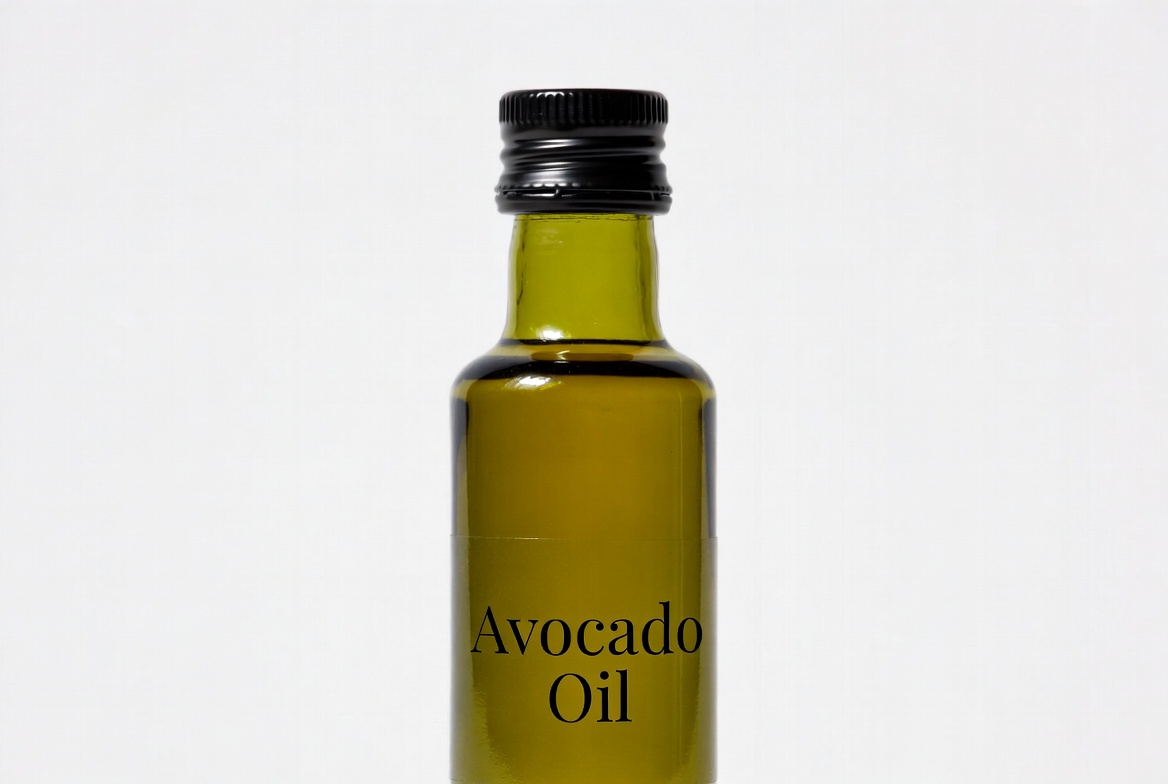
Avocado oil presents a different pricing landscape. A similar-sized bottle of avocado oil typically costs between twelve and twenty-five dollars. That’s noticeably higher than olive oil in most cases. Organic avocado oil, which is becoming increasingly popular, can jump to thirty dollars or more per bottle.
Why the premium? Supply and demand play a huge role. Avocado oil is still considered somewhat of a specialty item, and production hasn’t caught up with growing interest. Additionally, avocados themselves have become more expensive over the years due to climate concerns and increased global demand.
Cost Per Use: Calculating Real Value
Here’s a trick I’ve learned: don’t just look at the bottle price. Think about how much you actually use. This is where the conversation becomes more nuanced, and honestly, more interesting.
Usage Patterns and Oil Longevity
If you’re someone who cooks frequently and uses oil daily, you’ll burn through a bottle faster than someone who cooks once a week. But here’s the thing—both oils last a reasonable amount of time in your kitchen. When stored properly in a cool, dark place, both can maintain quality for several months to over a year.
Let’s do some simple math. If you use oil every single day and go through a bottle in about three months, you’re looking at roughly three to four dollars per month for quality olive oil. The same bottle of avocado oil might cost you four to seven dollars per month. Over a year, that’s a difference of twelve to thirty-six dollars. For some households, that’s significant.
Flash Point and Cooking Efficiency
This is where things get interesting from a value perspective. Avocado oil has a higher smoke point than most olive oils—around five hundred twenty degrees Fahrenheit compared to olive oil’s three hundred seventy-five to four hundred ten degrees Fahrenheit depending on the type.
What does this mean for your wallet? Well, if you’re doing high-heat cooking like stir-frying or searing, avocado oil is technically more efficient. You can use it at higher temperatures, which means you might need less of it to achieve the same cooking results. Olive oil works better for lower-heat applications, dressings, and dipping.
Some people argue this higher smoke point makes avocado oil more economical for certain cooking styles, even if the per-bottle cost is higher. Others counter that they rarely cook at such high temperatures, making this advantage irrelevant to their kitchen habits.
Brand Variations and Their Impact on Price
Not all olive oils cost the same, and neither do all avocado oils. The brand you choose can dramatically shift your spending.
Budget-Friendly Options for Olive Oil
Store brands from supermarkets like Kroger, Walmart, or Target offer respectable olive oils at budget prices. You’re looking at five to eight dollars for a decent quality oil. It might not be award-winning, but it gets the job done for everyday cooking.
Mid-range brands like Carapelli or Bertolli offer better quality than store brands while still remaining reasonable in price—usually ten to twelve dollars. Then you have premium brands like Colavita, Kirkland from Costco, and imported Italian or Greek oils that command higher prices.
The Avocado Oil Brand Landscape
Avocado oil brands are fewer in number, which partly explains the higher prices. Major brands include Chosen Foods, Kirkland, and Primal Kitchen. Chosen Foods, probably the most widely available, typically costs between fifteen and twenty dollars. When you buy from less established brands or specialty markets, prices can fluctuate significantly.
Here’s my honest take: with avocado oil, you have fewer budget options. Most avocado oils are positioned as premium or health-conscious choices, so manufacturers don’t typically make a rock-bottom option.
Nutritional Value and Cost Effectiveness
Now, let’s talk about whether you’re getting better nutrition for your money with either option, because that factors into true value.
Olive Oil’s Nutritional Benefits
Extra virgin olive oil is rich in antioxidants, particularly polyphenols. It contains oleic acid, a monounsaturated fat that’s been linked to various health benefits. If you’re buying a quality extra virgin olive oil at a reasonable price, you’re getting substantial nutritional value per dollar spent.
The key word here is “extra virgin.” That’s where the antioxidants and beneficial compounds are most concentrated. Regular olive oil or light olive oil might be cheaper, but you’re losing some of those health advantages.
Avocado Oil’s Health Advantages
Avocado oil is also high in monounsaturated fats and contains antioxidants, though in a different profile than olive oil. It has lutein, which is beneficial for eye health. Some people find avocado oil easier to digest than olive oil, though scientific evidence on this is still developing.
The question becomes: are you getting proportionally better health benefits to justify paying thirty to forty percent more? From a purely nutritional standpoint, both oils are healthy choices. The difference isn’t massive enough to make one dramatically superior to the other.
Storage and Shelf Life Considerations
Let’s not overlook a practical aspect of value: how long these oils last before degrading.
Olive Oil Storage Reality
Extra virgin olive oil is delicate. It’s best stored in a cool, dark place and should ideally be used within eighteen to twenty-four months of bottling. Once opened, it’s best consumed within a few months. This means if you buy a large bottle and don’t use it frequently, you might waste product, which undermines value.
Avocado Oil Stability
Avocado oil is more stable than olive oil due to its higher antioxidant content and composition. It can last longer in storage, even after opening. If you buy a more expensive bottle of avocado oil, you might actually use more of it before it goes bad, improving the per-use value proposition.
Specialty Uses and Versatility Factor
Where you use these oils also impacts their value to you personally.
Olive Oil’s Culinary Range
Olive oil is incredibly versatile. You can use it for cooking, dressing salads, dipping bread, finishing dishes, and making vinaigrettes. This versatility means you’ll use it frequently, which improves the value of your purchase. An eight-dollar bottle of olive oil that you use multiple times daily for various purposes is better value than a twelve-dollar bottle of avocado oil you only use occasionally for high-heat cooking.
Avocado Oil’s Specialized Applications
Avocado oil shines in specific contexts: high-heat cooking, Asian cuisine preparation, and people following paleo or keto diets often prefer it. If these uses match your cooking style, the premium cost might be justified. If you only occasionally need high-heat cooking oil, the extra cost might be unnecessary.
Where to Buy for Best Prices
Your shopping location significantly impacts what you pay for either oil.
Warehouse Clubs and Bulk Options
Costco and Sam’s Club offer both oils at competitive prices, especially if you buy larger quantities. Kirkland brand products from Costco are particularly popular for offering quality at reasonable prices. If you have a membership and go through oil regularly, this is worth investigating.
Online Retailers and Subscription Services
Amazon and other online retailers sometimes offer better prices than local stores, especially if you have Prime membership for free shipping. Some specialty oil companies offer subscription services where you receive fresh oil monthly at a slight discount. This works well if you use oil consistently.
Local and Farmers Markets
Local producers sometimes sell oils directly at farmers markets. Prices vary, but you often get fresher product and the satisfaction of supporting local agriculture. This might cost more per bottle but offers value in quality and freshness.
Health Trends and Long-Term Cost Implications
One more angle to consider: how these oils fit into broader health trends might affect long-term pricing.
Avocado oil is experiencing growing demand, particularly among health-conscious consumers and people following specific diets. As demand increases, production might scale up, potentially bringing prices down. Alternatively, increased competition could also lower prices through market forces.
Olive oil prices are influenced by harvest yields and climate conditions in Mediterranean regions. Droughts or other weather issues can significantly impact prices. While olive oil has a longer market history, it’s not immune to price volatility.
Making Your Personal Value Judgment
Here’s the thing about value: it’s deeply personal. What represents good value for me might not for you.
Questions to Ask Yourself
- How often do I cook, and what cooking methods do I use most frequently?
- Do I prefer to buy multiple smaller bottles or larger bottles less often?
- What’s my budget for cooking oils annually?
- Do I have specific dietary preferences or restrictions that favor one oil?
- How much do I value premium, locally-sourced, or organic products?
- Where do I typically shop, and what brands are available to me?
Answering these questions honestly will guide your decision far better than general advice.
Real-World Scenarios: Cost Comparison in Action
Let me walk you through a couple of scenarios to make this concrete.
Scenario One: The Budget-Conscious Home Cook
Sarah cooks dinner at home five nights a week. She does moderate-heat cooking—sautéing vegetables, making pasta, occasional stir-fries. She shops at her local supermarket. For her situation, buying a mid-range extra virgin olive oil for ten dollars is perfect. She’ll use it for most of her cooking and for finishing dishes. She goes through a bottle every two months, so she’s spending about sixty dollars annually on cooking oil. Avocado oil would be overkill for her needs.
Scenario Two: The Health-Focused High-Volume Cooker
Marcus follows a paleo diet and cooks exclusively with high-heat methods. He stir-fries vegetables and sears proteins almost daily. He also values organic products. For Marcus, buying avocado oil at eighteen dollars per bottle makes sense. Even though it’s more expensive, he uses it heavily, and the high smoke point is essential to his cooking method. He might buy from Costco to reduce costs, spending maybe forty dollars per month on avocado oil, which aligns with his values and needs.
The Environmental Cost Factor
There’s one more dimension to consider: environmental impact. Water usage in agriculture varies significantly between avocado and olive production. Avocado farming requires substantial water resources, which can be problematic in dry regions. Olive trees are often more drought-resistant. If environmental responsibility factors into your value calculation, this matters.
Conclusion
So, which oil gives you more value for money? The honest answer is: it depends on your specific circumstances. Avocado oil typically costs more per bottle—often thirty to fifty percent more than quality olive oil. However, this doesn’t automatically make it worse value. If you cook frequently with high-heat methods and use it regularly, the premium might be justified. You’re getting a more stable oil with a higher smoke point, which means better efficiency in your cooking.
Olive oil, on the other hand, offers incredible versatility at a more affordable price point. You can find quality bottles at reasonable prices, and the variety of uses means you’ll likely incorporate it into your kitchen regularly. For most home cooks, olive oil provides excellent value.
My recommendation? Buy what aligns with your actual cooking habits and budget. If you’re a casual cook who occasionally makes salad dressing and sautés vegetables, invest in a decent olive oil and save money. If you’re cooking multiple meals daily with high-heat methods and have a budget that accommodates premium ingredients, avocado oil might be your best choice. You don’t need to choose one exclusively either—many people benefit from keeping both in their kitchen for different purposes.
The best oil for you is the one you’ll actually use regularly, enjoy cooking with, and can afford without stretching your budget. That’s the real value proposition.


![7 Best Cheap Extra Virgin Olive Oil [2026]](https://bestpureessentialoils.com/wp-content/uploads/2026/06/7-best-cheap-extra-virgin-olive-oil-2026-featured-768x432.jpg)