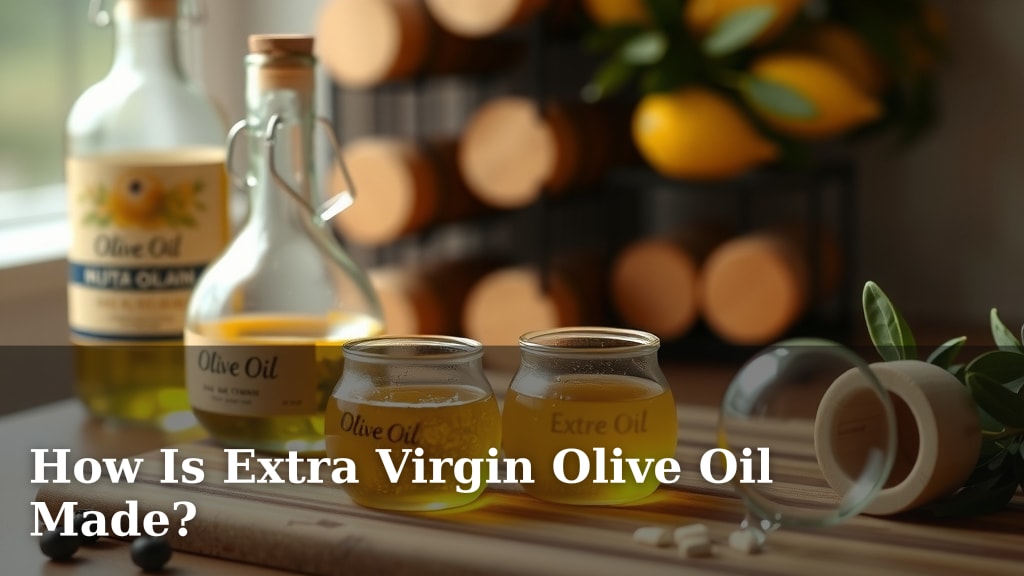
How Is Extra Virgin Olive Oil Made?
Extra virgin olive oil is made through a mechanical cold-pressing process. This means olives are crushed and the oil is extracted without using heat or chemicals. This method preserves the oil’s natural flavor and beneficial compounds, making it the highest quality olive oil available.
When you see “extra virgin,” it’s a promise of purity and taste. It signifies oil that’s been produced with great care, ensuring a low acidity level and a robust, fruity aroma. We found that the less the olives are processed, the more nutrients and antioxidants you get in your bottle.
- Olives are harvested at their peak ripeness.
- They are then washed and immediately milled.
- The paste is malaxed (slowly churned) to allow oil droplets to form.
- Oil is separated from water and solids, usually by centrifuge.
- The final oil is stored to settle before bottling.
Let’s walk through exactly how this delicious liquid gold gets from the tree to your pantry.
The Journey of Extra Virgin Olive Oil: From Grove to Bottle
Ever wondered what makes extra virgin olive oil (EVOO) so special? It’s all about how it’s made. We found that the process is quite straightforward, focusing on preserving the natural goodness of the olives.
Harvesting Olives: The First Crucial Step
The journey begins in the olive grove. Picking the olives at the **right time** is super important. Farmers often harvest when the olives are just starting to change color, usually from green to purple or black. This is when they have the most **flavor and healthy fats**.
Timing is Everything
Many experts say that harvesting too early can lead to a more bitter oil. Waiting too long can result in an oil that’s less fresh and might have a lower quality. It’s a delicate balance. You want those olives to be perfectly ripe, not overripe or underripe. It’s like picking the perfect tomato for a salad – timing makes all the difference in taste.
Harvesting Methods
How do they get the olives off the trees? It’s usually done by hand or with mechanical aids. Hand-picking ensures the olives are handled very gently. This helps to avoid bruising them. Bruised olives can start to ferment, which isn’t good for the oil’s flavor or quality. Mechanical harvesters shake the trees gently, allowing the olives to fall onto nets.
Milling the Olives: Extracting the Goodness
Once the olives are harvested, they need to be processed quickly. Ideally, this happens within 24 hours. This speed is key to preventing spoilage and maintaining the oil’s freshness. The olives are first cleaned to remove any leaves or dirt.
The Crushing Process
After cleaning, the olives are crushed. This breaks down the fruit, including the skin, pulp, and pit. Modern mills use hammer crushers or stone mills for this. The goal is to create a paste that contains the olive pulp and the oil. Research shows that the type of mill can slightly affect the final oil’s characteristics (NCBI).
Malaxation: Letting the Oil Unite
The olive paste then goes through a process called malaxation. This is like gently churning butter. The paste is slowly mixed for a specific amount of time, usually 20 to 40 minutes. This slow mixing allows the tiny oil droplets within the paste to merge and form larger ones. This makes it easier to separate the oil later.
We found that longer malaxation times can sometimes lead to a more intense flavor, but also a higher risk of oxidation if not done carefully. Temperature control here is also vital. It must stay cool to be considered “cold-pressed.”
Separating the Oil: The Final Push
Now comes the separation. This is where the liquid gold is finally extracted from the olive paste. There are a couple of common methods:
- Centrifugal Separation: This is the most common method today. The olive paste is spun at high speeds in a centrifuge. The oil, being lighter than the water and solid parts, separates out.
- Traditional Pressing: Older methods used a hydraulic press. The paste was placed into fiber disks, stacked, and then pressed to squeeze out the oil. While traditional, this method is less common now due to its lower efficiency and higher risk of contamination.
For extra virgin olive oil, the temperature during this entire process must remain below a certain point, typically 27°C (80.6°F). This is what earns it the “cold-pressed” or “cold-extracted” label.
Quality Control and Storage
After the oil is separated, it often undergoes a final filtering step. This removes any remaining tiny particles or moisture. Some producers choose not to filter, allowing the oil to settle naturally over time. However, filtering can extend the oil’s shelf life.
Bottling and Preservation
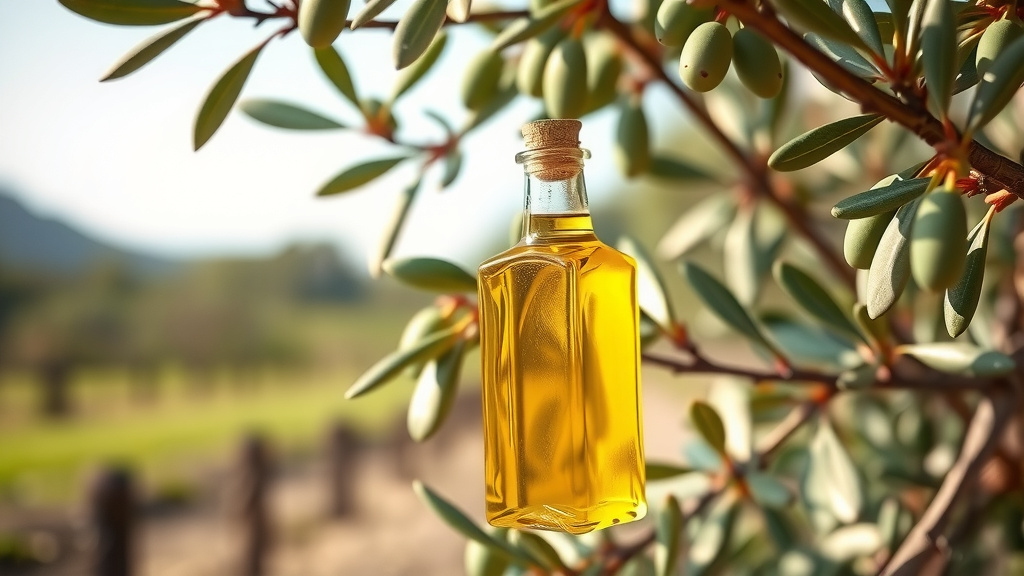
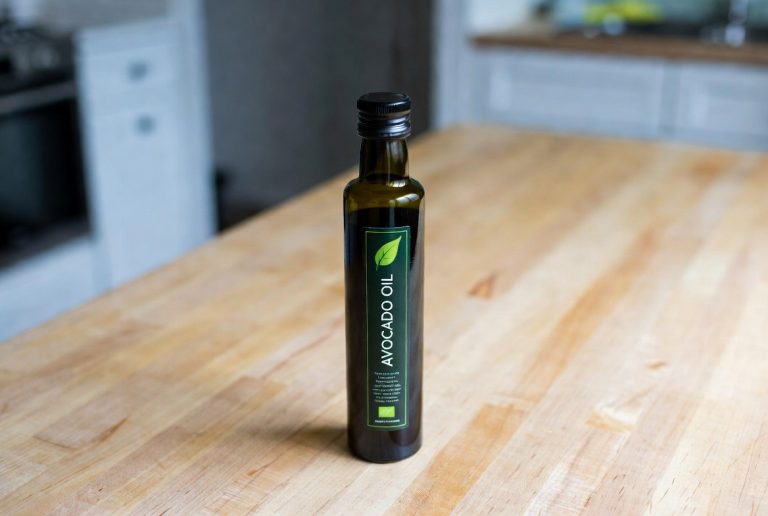
Finally, the EVOO is ready for bottling. Dark glass bottles are preferred because they protect the oil from light, which can degrade its quality. Storing the oil in a cool, dark place is essential for maintaining its freshness and flavor. Think of it like keeping your favorite wine in a cellar – darkness and a stable temperature are best.
What Makes It “Extra Virgin”?
So, what are the official rules that make olive oil “extra virgin”? It’s not just about the method; it’s also about the chemical composition and taste. Many food safety standards lay these out clearly.
We found these key indicators:
- Acidity Level: Extra virgin olive oil must have a free acidity level of no more than 0.8 grams per 100 grams. Lower acidity generally means a higher quality oil.
- Sensory Evaluation: The oil must pass a taste test. It should have fruity notes and no defects. No off-flavors like rancidity or mustiness are allowed. This is why tasting panels are important.
- Chemical Analysis: Besides acidity, other chemical markers are checked to ensure purity and authenticity.
If an oil doesn’t meet these strict criteria, it can’t be labeled extra virgin. It might be sold as “virgin olive oil” or simply “olive oil.”
A Quick Checklist for Your Olive Oil Journey
Here’s a quick look at the key steps we just discussed:
- Olives are picked at peak ripeness.
- They are cleaned promptly after harvest.
- Crushing turns olives into a paste.
- Malaxation allows oil droplets to gather.
- Oil is separated from solids and water, usually by centrifuge.
- The oil is filtered or settled before bottling.
Conclusion
You now know that creating extra virgin olive oil is a careful dance between nature and skilled hands. It’s a process that prioritizes freshness and purity, from the moment olives are plucked from the tree to their final bottling. This commitment to mechanical cold extraction is what guarantees that vibrant flavor and those beneficial compounds you love. Armed with this knowledge, you can now make more informed choices about the olive oil you bring into your kitchen.
Next time you’re at the store, look for those tell-tale signs of quality. Your taste buds, and your body, will thank you for it!
Frequently Asked Questions
How quickly do olives need to be processed after harvesting?
For the best extra virgin olive oil, olives should ideally be milled and processed within 24 hours of being picked. This rapid turnaround is key to preventing spoilage and preserving the fresh, fruity flavors and beneficial compounds within the olives. It ensures you’re getting the highest quality oil.
What is the “cold-pressing” aspect of EVOO production?
The “cold-pressing” or “cold-extraction” label means that the olive oil was produced without any external heat. During the milling and separation process, the temperature is kept below a specific threshold, typically 27°C (80.6°F). This helps to retain the oil’s delicate aromas, flavors, and nutritional properties.
Does the type of olive mill affect the final EVOO?
Yes, research suggests the type of mill used can subtly influence the final characteristics of the extra virgin olive oil. Modern hammer crushers and stone mills both have their own ways of breaking down the olives. These differences in crushing can impact the oil’s flavor profile and antioxidant content.
Why is the acidity level important for extra virgin olive oil?
A low acidity level, specifically no more than 0.8 grams per 100 grams, is a defining characteristic of extra virgin olive oil. It’s a chemical indicator of the oil’s quality and freshness. Lower acidity generally means the olives were processed quickly and handled gently, resulting in a superior product.
Are dark bottles really necessary for storing olive oil?
Yes, dark glass bottles are highly recommended for storing extra virgin olive oil. Light can degrade the oil, causing it to lose its flavor and beneficial properties over time. Keeping your olive oil in a cool, dark place, like a pantry or cupboard, further protects it and helps maintain its freshness.

![7 Best Extra Olive Oil Brands [2026]](https://bestpureessentialoils.com/wp-content/uploads/2026/08/7-best-extra-olive-oil-brands-2026-featured-768x432.jpg)