How Is Olive Oil Different From Vegetable Oil?
Olive oil and vegetable oil are different mainly because of their source and processing. Olive oil comes from pressing olives, making it a fruit-based oil. Vegetable oil is typically made from seeds, and often undergoes more processing to get the final product.
Choosing the right oil can really change your cooking. Many sources suggest that the health benefits and flavor of olive oil make it a popular choice for dressings and light cooking. Vegetable oils are often seen as a more neutral and budget-friendly option for frying and baking.
- Olive oil is from olives; vegetable oil is usually from seeds.
- Olive oil is less processed and retains more flavor.
- Vegetable oil is often more neutral tasting.
- Each oil has different best uses in the kitchen.
Let’s break down exactly what makes these two pantry staples so distinct and help you pick the best one for your next meal.
Understanding the Core Differences Between Olive and Vegetable Oils
You might grab the nearest bottle of oil without much thought. But knowing how olive oil and vegetable oil differ can really improve your cooking. We found that these oils come from very different places. This affects their taste, how they’re made, and how you should use them in your kitchen. Let’s dive into what makes them unique.
The Origin Story: From Fruit to Seed
The biggest difference starts at the very beginning: where the oil comes from. Think of it like comparing a fresh apple to a bag of seeds.
Olive Oil: A Fruit’s Bounty
Olive oil, as the name suggests, comes directly from olives. These are fruits that grow on olive trees. To get the oil, olives are crushed. Then, the oil is extracted from the pulp. This process is quite simple, especially for high-quality extra virgin olive oil. It’s why olive oil is often considered a more natural product.
Vegetable Oil: A Seed’s Secret
Vegetable oil is a bit more of a catch-all term. It’s usually made from the seeds of plants. Common sources include soybeans, corn, canola (rapeseed), sunflowers, and safflower. Because these seeds are small and contain less oil than olives, the extraction process is often more involved. You’ll find that seed-based oils require different methods to get that liquid gold.
Processing: Simple Press vs. Industrial Refinement
How an oil is made really matters. It impacts its flavor, nutrients, and how it behaves when you cook with it. We found that processing plays a huge role.
Olive Oil: Minimal Intervention
For the best olive oils, like extra virgin, the process is straightforward. Olives are mechanically pressed. No heat or chemicals are typically used in this initial extraction. This preserves the natural flavors and beneficial compounds. Lower grades of olive oil might undergo some refining, but the starting point is much simpler than most vegetable oils.
Vegetable Oil: A Multi-Step Journey
Making vegetable oil from seeds usually involves several steps. First, the seeds are often heated to make oil extraction easier. Then, a solvent, like hexane, is often used to pull out as much oil as possible. After that, the oil undergoes a process called refining. This includes steps like degumming, bleaching, and deodorizing. These steps remove impurities and unwanted flavors. However, they can also strip away some nutrients and antioxidants. Many sources, including the Harvard School of Public Health, note that this extensive processing can alter the oil’s composition.
Flavor Profile: Distinctive Notes vs. Neutrality
When you’re cooking, the taste of your oil can make a big difference. Do you want your dish to have a hint of something special, or a clean slate?
Olive Oil: A Taste of the Mediterranean
Olive oil, especially extra virgin, has a distinct flavor. It can range from grassy and peppery to buttery and mild. This flavor can enhance many dishes. Think of drizzling it over a salad or dipping bread into it. It brings a certain richness. Even regular olive oil (not extra virgin) often retains a subtle fruity note.
Vegetable Oil: The Unassuming All-Star
Most vegetable oils are chosen for their neutral flavor. Since they are heavily refined, they don’t typically add a noticeable taste to your food. This makes them incredibly versatile. Whether you’re baking a cake or frying chicken, a neutral oil won’t compete with other ingredients. You get the texture and cooking properties without extra taste.
Health Considerations: What the Science Says
Both types of oils can be part of a healthy diet. However, their health profiles can differ due to their origin and processing.
Olive Oil’s Healthy Fats
Olive oil is celebrated for its monounsaturated fats. These are considered heart-healthy fats. Extra virgin olive oil also contains antioxidants and anti-inflammatory compounds, like polyphenols. Research published in journals like the Journal of the American College of Cardiology suggests that a diet rich in monounsaturated fats, like that found in olive oil, may help reduce the risk of heart disease.
Vegetable Oil and Fatty Acids
Vegetable oils can have varying fat profiles. Some, like soybean or corn oil, are higher in polyunsaturated fats. These include omega-3 and omega-6 fatty acids. While omega-3s are beneficial, a diet with too much omega-6 relative to omega-3 can be inflammatory for some people. The Cleveland Clinic points out that the balance of these fatty acids is important for overall health. Refined vegetable oils can sometimes be processed in ways that create small amounts of unhealthy trans fats, although this is less common with modern refining techniques.
Best Uses in the Kitchen: Where Each Shines
So, when should you reach for olive oil, and when is vegetable oil the better choice? It really depends on what you’re making.
When to Use Olive Oil
- Salad Dressings and Vinaigrettes: Its flavor is a perfect match here.
- Drizzling: Over roasted vegetables, pasta, or grilled meats for extra flavor.
- Sautéing: For light cooking at medium temperatures. Extra virgin has a lower smoke point, so be mindful.
- Baking: In recipes where you want a slightly fruity note, like cornbread.
When to Use Vegetable Oil
- Frying: Its high smoke point makes it great for deep frying or pan-frying at high heat.
- Baking: Its neutral flavor ensures it won’t alter the taste of cakes, cookies, or muffins.
- General Cooking: When you need a reliable, neutral oil for everyday tasks.
- Marinating: Its mild taste won’t overpower your marinades.
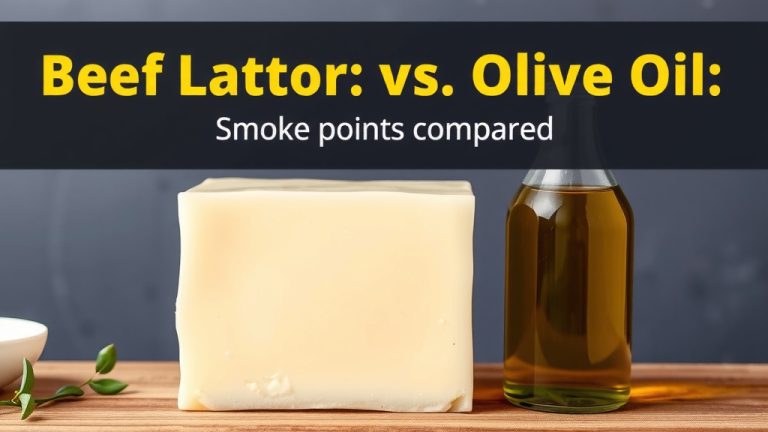
Smoke Point: A Key Cooking Factor
The smoke point of an oil is the temperature at which it starts to burn and produce visible smoke. This is super important for cooking. Burning oil can create harmful compounds and taste terrible.
Olive Oil’s Smoke Point Varies
Extra virgin olive oil generally has a lower smoke point, around 375°F (190°C). Refined olive oil has a higher smoke point, closer to 400-465°F (204-240°C). This means extra virgin is best for lower-heat cooking.
Vegetable Oil’s Higher Smoke Point
Most refined vegetable oils have higher smoke points, often around 400-450°F (204-232°C). This makes them more suitable for high-heat cooking methods like searing and frying.
Quick Reference Checklist for Your Pantry
Here’s a quick way to remember the main differences when you’re standing in the aisle:
- Source: Olives vs. Seeds (Soybean, Corn, Canola, etc.)
- Processing: Minimal Pressing (EVOO) vs. More Refined
- Flavor: Fruity/Peppery vs. Neutral
- Main Fat: Monounsaturated vs. Polyunsaturated (varies)
- Best For: Dressings, Sautéing vs. Frying, High-Heat Baking
- Smoke Point: Lower (EVOO) to Medium vs. Higher
Conclusion
Understanding the differences between olive oil and vegetable oil boils down to their origins and how they are processed. Olive oil offers a distinct flavor and healthy monounsaturated fats from fruit. Vegetable oil provides a neutral taste and higher smoke point from seeds, making it a budget-friendly kitchen staple. Now you have the knowledge to pick the perfect oil for any recipe. Next time you’re cooking, grab the bottle that best suits your dish for enhanced flavor and results.
Frequently Asked Questions
Can I substitute olive oil for vegetable oil in baking?
You can, but it will change the flavor of your baked goods. Olive oil can impart a fruity or peppery note, which might be desirable in some recipes like cornbread. For cakes or cookies where a neutral taste is key, vegetable oil is usually a better choice.
Is olive oil always healthier than vegetable oil?
Generally, extra virgin olive oil is considered healthier due to its high monounsaturated fat content and antioxidants from minimal processing. However, “vegetable oil” is broad; some seed oils are also healthy, but the refining process can reduce their benefits. Focus on the type and quality of oil.
Which oil is better for high-heat frying: olive oil or vegetable oil?
Vegetable oil typically has a higher smoke point than extra virgin olive oil, making it better for high-heat frying. While refined olive oil has a higher smoke point than extra virgin, most vegetable oils are more robust for searing or deep-frying without burning.
Why does vegetable oil have a neutral flavor?
Vegetable oils, like soybean or canola, are usually heavily refined. This extensive processing removes impurities, but it also strips away most of the natural flavors and aromas. This results in a neutral oil that won’t affect the taste of your food.
What does “cold-pressed” mean for olive oil?
Cold-pressed olive oil means it was extracted using mechanical methods without excessive heat. This process helps preserve the oil’s natural flavor, nutrients, and antioxidants. It’s a key indicator of high-quality extra virgin olive oil.

![7 Best Healthy Extra Virgin Olive Oil [2026]](https://bestpureessentialoils.com/wp-content/uploads/2026/08/7-best-healthy-extra-virgin-olive-oil-2026-featured-768x432.jpg)