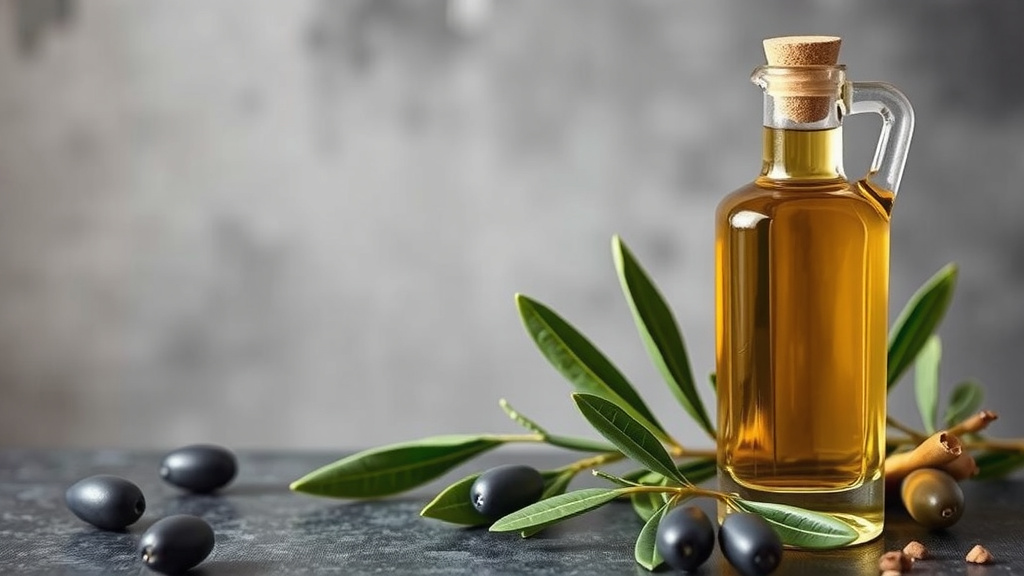
How Long Does Extra Virgin Olive Oil Last?
You can typically store extra virgin olive oil for about 18-24 months from its bottling date. After opening, its peak freshness lasts for 3-6 months. To get the best flavor, it’s best used within this window.
Olive oil doesn’t technically “go bad” in a way that makes it harmful to eat. Instead, it gradually loses its delicate flavors and nutritional benefits. Factors like heat, light, and air exposure can speed up this process, turning your vibrant oil into a duller, less tasty product.
- Unopened EVOO lasts 18-24 months from bottling.
- Opened EVOO is best within 3-6 months.
- Store it in a cool, dark place.
- Avoid heat and direct light.
- Look for “best by” dates.
Let’s walk through exactly how to keep your extra virgin olive oil tasting its best for as long as possible.
Understanding the lifespan of extra virgin olive oil (EVOO) is key to enjoying its full flavor and benefits. Think of it like a fine wine, but for your kitchen! Your EVOO is at its best when it’s fresh, and its quality diminishes over time.
When to Buy: The Bottling Date is Your FriendThe clock starts ticking from the moment your olive oil is bottled. Most producers will put a bottling date on the label. This is your best indicator of freshness. While there isn’t a strict “expiration date” in the way some foods have, the bottling date helps you gauge how long it’s been sitting around.
The Unopened Bottle: A Long, Slow JourneyFor an unopened bottle of extra virgin olive oil, you’re generally looking at a shelf life of about **18 to 24 months** from the bottling date. This assumes it has been stored properly. It’s still safe to consume after this period, but the vibrant, peppery notes might start to fade. It’s like listening to your favorite song on repeat; eventually, you might crave something new.
What “Best By” Dates Really MeanYou’ll often see a “best by” or “best if used by” date on the bottle. This is the manufacturer’s best guess for when the oil will be at its absolute peak quality. Consuming it after this date is usually fine, but the flavor and aroma might not be as robust as they once were. It’s a suggestion for optimal enjoyment, not a hard stop for safety.
Once Opened: The Race Against Air and LightOpening the bottle is where the real countdown begins. Exposure to air is the primary enemy of fresh olive oil. Each time you open and pour, you introduce oxygen, which starts a process called oxidation. Oxidation degrades the oil’s flavor and aroma.
The Unopened Bottle: A Long, Slow JourneyFor an unopened bottle of extra virgin olive oil, you’re generally looking at a shelf life of about **18 to 24 months** from the bottling date. This assumes it has been stored properly. It’s still safe to consume after this period, but the vibrant, peppery notes might start to fade. It’s like listening to your favorite song on repeat; eventually, you might crave something new.
What “Best By” Dates Really MeanYou’ll often see a “best by” or “best if used by” date on the bottle. This is the manufacturer’s best guess for when the oil will be at its absolute peak quality. Consuming it after this date is usually fine, but the flavor and aroma might not be as robust as they once were. It’s a suggestion for optimal enjoyment, not a hard stop for safety.
Once Opened: The Race Against Air and LightOpening the bottle is where the real countdown begins. Exposure to air is the primary enemy of fresh olive oil. Each time you open and pour, you introduce oxygen, which starts a process called oxidation. Oxidation degrades the oil’s flavor and aroma.
We found that once opened, your extra virgin olive oil is best used within **3 to 6 months**. This window ensures you’re still getting those delightful, fresh flavors that make EVOO so special. Think of it as the prime time for your favorite seasonal fruit – it’s wonderful when it’s just right, but don’t wait too long to enjoy it.
Signs Your Olive Oil Might Be Past Its PrimeSo, how can you tell if your oil has seen better days? Trust your senses! Your nose and your taste buds are excellent guides.
- Smell: Fresh EVOO should smell fruity, sometimes grassy, peppery, or even floral. If it smells rancid, like old crayons, or like putty, it’s likely past its best.
- Taste: A good EVOO might have a peppery finish or a slight bitterness, which are signs of its fresh compounds. If it tastes flat, bland, or has an unpleasant, oily, or rancid flavor, it’s time to say goodbye.
- Appearance: While color can vary, if your oil looks cloudy or has sediment that wasn’t there before, it might be a sign of degradation, though this isn’t always a definitive indicator.
Factors That Speed Up Olive Oil DegradationSeveral common culprits can turn your liquid gold into a less-than-ideal kitchen staple much faster than you’d expect. Protecting your oil from these elements is your best defense.
The Triple Threat: Heat, Light, and AirThese three are the arch-nemeses of extra virgin olive oil. They work together to break down the oil’s delicate compounds.
Heat is a KillerHigh temperatures accelerate the oxidation process. Storing your olive oil near the stove, oven, or even on a sunny windowsill can drastically shorten its lifespan. Many culinary experts recommend storing olive oil at a consistent, cool room temperature, ideally between 60-70°F (15-21°C) (Harvard School of Public Health).
Light’s Damaging RaysJust like heat, light can degrade olive oil. This is why many quality EVOO producers package their oil in dark glass bottles or tins. Direct sunlight is particularly harmful. Even indoor light can have an effect over time.
Air’s Oxidizing EffectAs we discussed, every time you open the bottle, air gets in. This is unavoidable to some extent. However, keeping the cap tightly sealed between uses significantly minimizes air exposure.
What About Other Storage Factors?While heat, light, and air are the big three, a few other things can play a role, though they are less critical.
The Container MattersDark glass or stainless steel containers are best. Clear glass bottles offer little protection from light. If your oil came in a clear bottle, consider transferring it to a dark container or storing it in a dark pantry.
Moisture and ContaminationKeeping water out is important. While not a common issue for home cooks, if water gets into the oil, it can lead to spoilage. Also, ensure your pouring utensils are clean and dry to prevent introducing any contaminants that could affect the oil’s quality.
Storing Your Olive Oil for Maximum Freshness: A Quick GuideReady to put this knowledge to good use? Here’s your simple checklist to keep your EVOO tasting fantastic:
- Cool and Dark: Find a pantry, cupboard, or cellar that is consistently cool and away from direct light.
- Tightly Sealed: Always make sure the cap is screwed on snugly after each use.
- Original Bottle (if dark): If your oil is in a dark glass bottle or tin, that’s often the best place to keep it.
- Away from Heat: Keep it far from your stove, oven, or any heat-generating appliances.
- Consider a Tin: If you buy larger quantities or want extra protection, consider storing your oil in an opaque tin.
- Use It Up: Don’t hoard that special bottle! Enjoy your extra virgin olive oil while it’s at its best.
Can You Freeze Extra Virgin Olive Oil?While you *can* freeze olive oil, it’s generally not recommended for preserving its delicate flavor. Freezing can sometimes affect the oil’s texture, and it doesn’t really extend its usable life in terms of flavor much beyond proper cool storage. Plus, it’s a bit of a hassle to thaw.
The Verdict: When in Doubt, Taste It OutUltimately, the best way to know if your olive oil is still good is to use your senses. Smell it, taste a tiny bit. If it tastes good, it’s good! Using your olive oil within its optimal window will ensure you’re getting the most flavor and nutritional punch out of every delicious drop.
Conclusion
The Triple Threat: Heat, Light, and AirThese three are the arch-nemeses of extra virgin olive oil. They work together to break down the oil’s delicate compounds.
Heat is a KillerHigh temperatures accelerate the oxidation process. Storing your olive oil near the stove, oven, or even on a sunny windowsill can drastically shorten its lifespan. Many culinary experts recommend storing olive oil at a consistent, cool room temperature, ideally between 60-70°F (15-21°C) (Harvard School of Public Health).
Light’s Damaging RaysJust like heat, light can degrade olive oil. This is why many quality EVOO producers package their oil in dark glass bottles or tins. Direct sunlight is particularly harmful. Even indoor light can have an effect over time.
Air’s Oxidizing EffectAs we discussed, every time you open the bottle, air gets in. This is unavoidable to some extent. However, keeping the cap tightly sealed between uses significantly minimizes air exposure.
What About Other Storage Factors?While heat, light, and air are the big three, a few other things can play a role, though they are less critical.
The Container MattersDark glass or stainless steel containers are best. Clear glass bottles offer little protection from light. If your oil came in a clear bottle, consider transferring it to a dark container or storing it in a dark pantry.
Moisture and ContaminationKeeping water out is important. While not a common issue for home cooks, if water gets into the oil, it can lead to spoilage. Also, ensure your pouring utensils are clean and dry to prevent introducing any contaminants that could affect the oil’s quality.
Storing Your Olive Oil for Maximum Freshness: A Quick GuideReady to put this knowledge to good use? Here’s your simple checklist to keep your EVOO tasting fantastic:
- Cool and Dark: Find a pantry, cupboard, or cellar that is consistently cool and away from direct light.
- Tightly Sealed: Always make sure the cap is screwed on snugly after each use.
- Original Bottle (if dark): If your oil is in a dark glass bottle or tin, that’s often the best place to keep it.
- Away from Heat: Keep it far from your stove, oven, or any heat-generating appliances.
- Consider a Tin: If you buy larger quantities or want extra protection, consider storing your oil in an opaque tin.
- Use It Up: Don’t hoard that special bottle! Enjoy your extra virgin olive oil while it’s at its best.
Can You Freeze Extra Virgin Olive Oil?While you *can* freeze olive oil, it’s generally not recommended for preserving its delicate flavor. Freezing can sometimes affect the oil’s texture, and it doesn’t really extend its usable life in terms of flavor much beyond proper cool storage. Plus, it’s a bit of a hassle to thaw.
The Verdict: When in Doubt, Taste It OutUltimately, the best way to know if your olive oil is still good is to use your senses. Smell it, taste a tiny bit. If it tastes good, it’s good! Using your olive oil within its optimal window will ensure you’re getting the most flavor and nutritional punch out of every delicious drop.
Conclusion
Light’s Damaging RaysJust like heat, light can degrade olive oil. This is why many quality EVOO producers package their oil in dark glass bottles or tins. Direct sunlight is particularly harmful. Even indoor light can have an effect over time.
Air’s Oxidizing EffectAs we discussed, every time you open the bottle, air gets in. This is unavoidable to some extent. However, keeping the cap tightly sealed between uses significantly minimizes air exposure.
What About Other Storage Factors?While heat, light, and air are the big three, a few other things can play a role, though they are less critical.
The Container MattersDark glass or stainless steel containers are best. Clear glass bottles offer little protection from light. If your oil came in a clear bottle, consider transferring it to a dark container or storing it in a dark pantry.
Moisture and ContaminationKeeping water out is important. While not a common issue for home cooks, if water gets into the oil, it can lead to spoilage. Also, ensure your pouring utensils are clean and dry to prevent introducing any contaminants that could affect the oil’s quality.
Storing Your Olive Oil for Maximum Freshness: A Quick GuideReady to put this knowledge to good use? Here’s your simple checklist to keep your EVOO tasting fantastic:
- Cool and Dark: Find a pantry, cupboard, or cellar that is consistently cool and away from direct light.
- Tightly Sealed: Always make sure the cap is screwed on snugly after each use.
- Original Bottle (if dark): If your oil is in a dark glass bottle or tin, that’s often the best place to keep it.
- Away from Heat: Keep it far from your stove, oven, or any heat-generating appliances.
- Consider a Tin: If you buy larger quantities or want extra protection, consider storing your oil in an opaque tin.
- Use It Up: Don’t hoard that special bottle! Enjoy your extra virgin olive oil while it’s at its best.
Can You Freeze Extra Virgin Olive Oil?While you *can* freeze olive oil, it’s generally not recommended for preserving its delicate flavor. Freezing can sometimes affect the oil’s texture, and it doesn’t really extend its usable life in terms of flavor much beyond proper cool storage. Plus, it’s a bit of a hassle to thaw.
The Verdict: When in Doubt, Taste It OutUltimately, the best way to know if your olive oil is still good is to use your senses. Smell it, taste a tiny bit. If it tastes good, it’s good! Using your olive oil within its optimal window will ensure you’re getting the most flavor and nutritional punch out of every delicious drop.
Conclusion
What About Other Storage Factors?While heat, light, and air are the big three, a few other things can play a role, though they are less critical.
The Container MattersDark glass or stainless steel containers are best. Clear glass bottles offer little protection from light. If your oil came in a clear bottle, consider transferring it to a dark container or storing it in a dark pantry.
Moisture and ContaminationKeeping water out is important. While not a common issue for home cooks, if water gets into the oil, it can lead to spoilage. Also, ensure your pouring utensils are clean and dry to prevent introducing any contaminants that could affect the oil’s quality.
Storing Your Olive Oil for Maximum Freshness: A Quick GuideReady to put this knowledge to good use? Here’s your simple checklist to keep your EVOO tasting fantastic:
- Cool and Dark: Find a pantry, cupboard, or cellar that is consistently cool and away from direct light.
- Tightly Sealed: Always make sure the cap is screwed on snugly after each use.
- Original Bottle (if dark): If your oil is in a dark glass bottle or tin, that’s often the best place to keep it.
- Away from Heat: Keep it far from your stove, oven, or any heat-generating appliances.
- Consider a Tin: If you buy larger quantities or want extra protection, consider storing your oil in an opaque tin.
- Use It Up: Don’t hoard that special bottle! Enjoy your extra virgin olive oil while it’s at its best.
Can You Freeze Extra Virgin Olive Oil?While you *can* freeze olive oil, it’s generally not recommended for preserving its delicate flavor. Freezing can sometimes affect the oil’s texture, and it doesn’t really extend its usable life in terms of flavor much beyond proper cool storage. Plus, it’s a bit of a hassle to thaw.
The Verdict: When in Doubt, Taste It OutUltimately, the best way to know if your olive oil is still good is to use your senses. Smell it, taste a tiny bit. If it tastes good, it’s good! Using your olive oil within its optimal window will ensure you’re getting the most flavor and nutritional punch out of every delicious drop.
Conclusion
Moisture and ContaminationKeeping water out is important. While not a common issue for home cooks, if water gets into the oil, it can lead to spoilage. Also, ensure your pouring utensils are clean and dry to prevent introducing any contaminants that could affect the oil’s quality.
Storing Your Olive Oil for Maximum Freshness: A Quick GuideReady to put this knowledge to good use? Here’s your simple checklist to keep your EVOO tasting fantastic:
- Cool and Dark: Find a pantry, cupboard, or cellar that is consistently cool and away from direct light.
- Tightly Sealed: Always make sure the cap is screwed on snugly after each use.
- Original Bottle (if dark): If your oil is in a dark glass bottle or tin, that’s often the best place to keep it.
- Away from Heat: Keep it far from your stove, oven, or any heat-generating appliances.
- Consider a Tin: If you buy larger quantities or want extra protection, consider storing your oil in an opaque tin.
- Use It Up: Don’t hoard that special bottle! Enjoy your extra virgin olive oil while it’s at its best.
Can You Freeze Extra Virgin Olive Oil?While you *can* freeze olive oil, it’s generally not recommended for preserving its delicate flavor. Freezing can sometimes affect the oil’s texture, and it doesn’t really extend its usable life in terms of flavor much beyond proper cool storage. Plus, it’s a bit of a hassle to thaw.
The Verdict: When in Doubt, Taste It OutUltimately, the best way to know if your olive oil is still good is to use your senses. Smell it, taste a tiny bit. If it tastes good, it’s good! Using your olive oil within its optimal window will ensure you’re getting the most flavor and nutritional punch out of every delicious drop.
Conclusion
- Cool and Dark: Find a pantry, cupboard, or cellar that is consistently cool and away from direct light.
- Tightly Sealed: Always make sure the cap is screwed on snugly after each use.
- Original Bottle (if dark): If your oil is in a dark glass bottle or tin, that’s often the best place to keep it.
- Away from Heat: Keep it far from your stove, oven, or any heat-generating appliances.
- Consider a Tin: If you buy larger quantities or want extra protection, consider storing your oil in an opaque tin.
- Use It Up: Don’t hoard that special bottle! Enjoy your extra virgin olive oil while it’s at its best.
Can You Freeze Extra Virgin Olive Oil?While you *can* freeze olive oil, it’s generally not recommended for preserving its delicate flavor. Freezing can sometimes affect the oil’s texture, and it doesn’t really extend its usable life in terms of flavor much beyond proper cool storage. Plus, it’s a bit of a hassle to thaw.
The Verdict: When in Doubt, Taste It OutUltimately, the best way to know if your olive oil is still good is to use your senses. Smell it, taste a tiny bit. If it tastes good, it’s good! Using your olive oil within its optimal window will ensure you’re getting the most flavor and nutritional punch out of every delicious drop.
Conclusion
Conclusion
Keeping your extra virgin olive oil fresh is all about smart storage. Remember that your unopened oil is best within 18-24 months of bottling, while opened bottles shine for 3-6 months. Avoiding heat, light, and air exposure are your biggest allies in preserving that delicious flavor. Pay attention to the smell and taste; your senses are the best indicators of freshness.
So, find a cool, dark spot for your oil, seal it tight after each use, and most importantly, enjoy it while it’s at its peak. Your salads and cooking will thank you!
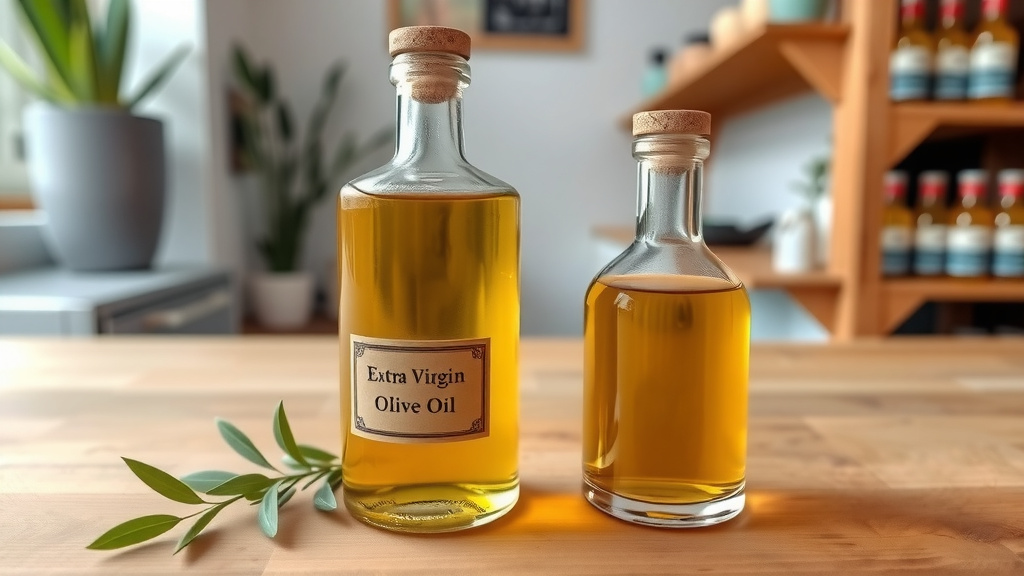
Frequently Asked Questions
What happens if I use olive oil that’s past its best by date?
Using olive oil past its “best by” date is generally safe to consume. However, you’ll likely notice a decline in its fresh, fruity flavors and aroma. It might taste flat or a bit dull, meaning it won’t add that vibrant taste to your dishes.
How can I tell if my olive oil has gone bad without tasting it?
Trust your nose first! Fresh extra virgin olive oil has a pleasant, often fruity or grassy scent. If your oil smells rancid, like old crayons, putty, or just unpleasant, it’s a strong sign it has degraded and is past its prime.
Does storing olive oil in the refrigerator make it last longer?
While refrigeration can slow down degradation, it’s generally not recommended for extra virgin olive oil. Cold temperatures can cause the oil to solidify and potentially alter its texture and flavor when it returns to room temperature.
Is it okay to store olive oil in a clear glass bottle on the counter?
Storing olive oil in a clear glass bottle on the counter is one of the worst things you can do for its freshness. The clear glass offers no protection from light, and counter heat accelerates degradation, quickly diminishing its quality.
Should I transfer my olive oil to a different container?
If your olive oil came in a clear or light-colored plastic bottle, you might consider transferring it to a dark glass bottle or an opaque tin. This provides better protection from light, which is a major factor in preserving its freshness and flavor.