Avocado Oil vs Olive Oil Smoke Point: Which is Best for Cooking
When cooking, knowing the smoke point of your oil is super important. For most everyday cooking like sautéing, avocado oil is a better choice than olive oil because it can handle higher heat. Avocado oil has a smoke point of around 520°F (271°C), while regular olive oil smokes at about 375°F (190°C).
Choosing the right oil means you can cook without that acrid, burnt smell. It also helps your food cook properly without damaging the oil. Many chefs and home cooks are turning to avocado oil for its versatility and ability to withstand the heat needed for searing and frying.
- Avocado oil has a much higher smoke point than olive oil.
- This makes avocado oil better for high-heat cooking.
- Olive oil is better for lower-heat cooking and dressings.
- Using the right oil prevents burning and off-flavors.
So, let’s get into the nitty-gritty of why these differences matter and how you can use them in your own kitchen.
“`htmlUnderstanding Your Cooking Oils: Heat and Flavor
When you’re in the kitchen, grabbing the right cooking oil can make a big difference. It’s not just about taste. It’s also about how your food cooks and if your oil ends up smoking and burning. You’ve probably noticed that some oils can handle a really hot pan, while others start to smoke up quickly. This is all thanks to something called the smoke point.
So, what exactly is a smoke point? Simply put, it’s the temperature at which an oil starts to break down and produce visible smoke. When an oil hits its smoke point, it’s no longer ideal for cooking. This breakdown can create harmful compounds and give your food a bitter, burnt taste. Nobody wants that, right?
Avocado Oil’s High Heat Tolerance
Avocado oil is gaining popularity, and a big reason is its impressive smoke point. We found that refined avocado oil typically has a smoke point around 520°F (271°C). That’s pretty high! Unrefined avocado oil might be a bit lower, closer to 375°F (190°C), but still solid for many uses.
What does this high smoke point mean for you? It means you can use avocado oil for cooking methods that require serious heat. Think searing steaks, stir-frying veggies, or even deep-frying. You can get that nice crisp on your food without worrying about the oil burning and ruining the dish. It’s a real kitchen workhorse!
Why Does Refinement Matter?
You might wonder why there’s a difference between refined and unrefined avocado oil. Refined oils have gone through a process to remove impurities and flavor compounds. This process often raises the smoke point. Unrefined oils are less processed, retaining more of their natural flavor and nutrients, but often have a lower smoke point.
For high-heat cooking, a refined avocado oil is usually your best bet. It’s more stable at higher temperatures. If you’re looking for that pure avocado flavor in a dressing or a light sauté, an unrefined version might be preferable.
Olive Oil: A Different Kind of Star
Olive oil is a kitchen staple for many of us. It’s known for its wonderful flavor and health benefits. However, when we talk about smoke points, standard olive oil isn’t usually the first choice for very high heat.
Extra Virgin Olive Oil’s Smoke Point
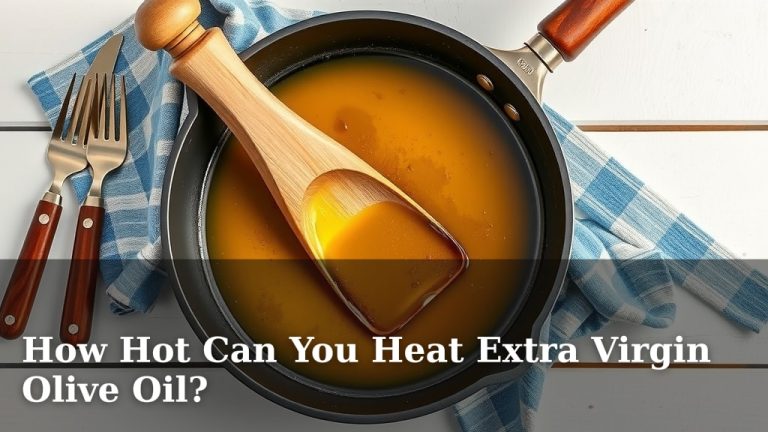
Extra virgin olive oil (EVOO) is the least processed form of olive oil. It’s celebrated for its rich taste and antioxidants. But, because it’s less refined, EVOO has a lower smoke point. We found that it typically smokes around 375°F to 405°F (190°C to 207°C).
This means EVOO is fantastic for salad dressings, drizzling over finished dishes, or using in low to medium-heat cooking like gentle sautés. Trying to sear a steak on high heat with EVOO? You’ll likely see smoke and get a burnt flavor before your steak is perfectly cooked.
Regular vs. Light Olive Oil
What about other types of olive oil? “Regular” or “pure” olive oil is often a blend of refined olive oils and virgin olive oils. This blending process usually raises its smoke point compared to EVOO, often to around 400°F to 450°F (204°C to 232°C). It’s a bit more versatile than EVOO for cooking.
“Light” olive oil, which can be confusing, doesn’t mean lower in calories. It refers to a lighter flavor profile. These oils are also typically refined and can have smoke points similar to regular olive oil, sometimes even higher depending on the brand and processing. Still, they generally don’t reach the sky-high temperatures avocado oil can handle.
Comparing the Heat: A Simple Table
Let’s break down these differences visually. Understanding these numbers helps you pick the right oil for the job.
| Oil Type | Typical Smoke Point (°F) | Typical Smoke Point (°C) | Best For |
|---|---|---|---|
| Refined Avocado Oil | 500-520°F | 260-271°C | Searing, frying, baking, high-heat sautéing |
| Unrefined Avocado Oil | 375-400°F | 190-204°C | Medium-heat sautéing, baking, dressings |
| Extra Virgin Olive Oil (EVOO) | 375-405°F | 190-207°C | Dressings, finishing, low-heat cooking |
| Regular/Pure Olive Oil | 400-450°F | 204-232°C | Sautéing, roasting, baking |
When to Use Which Oil
Choosing the right oil comes down to your cooking method and desired flavor. For those times you want a beautiful sear on your chicken or potatoes, or you’re firing up the grill, avocado oil shines. Its high smoke point means you can crank up the heat without fear.
On the other hand, if you’re whisking up a vinaigrette or gently warming some vegetables, olive oil, especially EVOO, offers wonderful flavor. Many nutrition guidelines suggest incorporating more healthy fats like those found in olive oil (NIH). Just remember to use it at the right temperature.
High-Heat Cooking Strategies
When you need that sizzle, reach for avocado oil. It’s great for pan-frying, stir-frying, and even deep-frying because it can maintain its stability at temperatures that would cause olive oil to break down. This results in cleaner cooking and better texture for your food.
Low to Medium Heat Applications
For everyday cooking that doesn’t require extreme heat, both oils can work. However, olive oil often adds a pleasant flavor. Think about making scrambled eggs or sautéing mushrooms. Using EVOO here adds a nice depth. If you’re baking, both can be used, but the smoke point still matters if your oven runs very hot.
Avoiding the Smoke: Your Kitchen Checklist
To make sure your cooking is always delicious and never smoky, keep these simple tips in mind:
- Know your smoke point: Always check the smoke point of your oil.
- Match oil to heat: Use high smoke point oils for high-heat cooking.
- Flavor matters: Use flavorful oils like EVOO for finishing and low-heat dishes.
- Don’t overheat: Even high smoke point oils can burn if pushed too far.
- Watch for smoke: If your oil starts smoking, lower the heat immediately.
- Store oils properly: Keep oils away from heat and light to maintain quality.
Conclusion
You now have the knowledge to pick the right oil for your cooking. Remember, avocado oil’s high smoke point makes it your best friend for searing and frying. Olive oil, especially extra virgin, is perfect for adding flavor to dressings and low-heat dishes. By matching your oil to your cooking method, you’ll avoid burnt tastes and enjoy healthier, tastier meals. So, next time you’re in the kitchen, check your recipe and your pan heat – then grab the best oil for the job!
Frequently Asked Questions
Can I substitute avocado oil for olive oil in any recipe?
For high-heat cooking like searing or frying, yes, you can absolutely substitute avocado oil for olive oil. Its higher smoke point will prevent burning. However, for dressings or dishes where olive oil’s flavor is key, you might miss that distinct taste when using avocado oil.
What happens if I use olive oil for high-heat cooking?
If you use olive oil, particularly extra virgin, for high-heat cooking, it will likely start to smoke and break down. This process can create unpleasant, bitter flavors in your food and may produce harmful compounds.
Is unrefined avocado oil good for baking?
Unrefined avocado oil has a moderate smoke point, often around 375-400°F (190-204°C). This makes it suitable for most baking temperatures. If your recipe calls for very high oven heat, refined avocado oil might offer more stability.
Does olive oil’s smoke point change based on the type?
Yes, the type of olive oil significantly impacts its smoke point. Extra virgin olive oil has the lowest smoke point due to less processing. Regular or pure olive oil, and light olive oil, are more refined and therefore have higher smoke points, but still generally lower than avocado oil.
Can I store my avocado oil and olive oil together?
It’s best to store them separately, though not necessarily in different cupboards. Both oils should be kept in a cool, dark place, away from heat and direct sunlight. This helps maintain their quality and prevent them from going rancid, regardless of their smoke point.