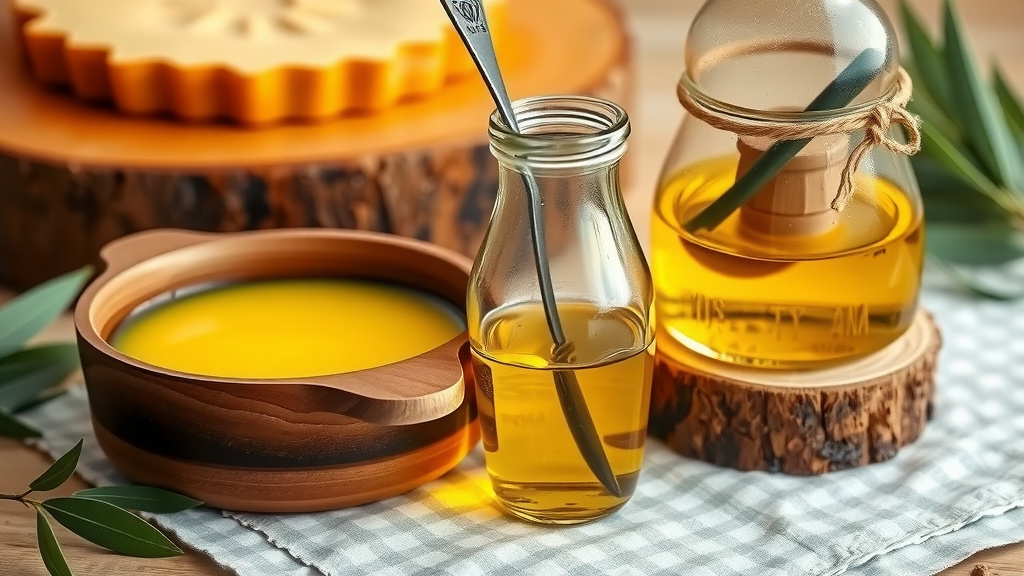
Vegetable Oil vs Olive Oil: Baking Differences You Need to Know
When baking, vegetable oil is often a better choice than olive oil for neutral flavor and a lighter texture. While olive oil adds a distinct taste, vegetable oil lets your baked goods shine. You can generally substitute vegetable oil for olive oil in most recipes without issue.
Choosing the right oil affects your final product. Vegetable oil provides a clean taste, making it ideal for cakes and cookies. Olive oil, with its fruity notes, works well in heartier breads or savory baked items. We found that understanding these differences helps you achieve the best results.
- Vegetable oil offers a neutral flavor.
- Olive oil has a distinct, fruity taste.
- Use vegetable oil for light cakes and cookies.
- Consider olive oil for rustic breads.
- The fat content affects moisture and texture.
So, what’s the difference and which one should you reach for? We’ll break down exactly what happens when you swap these oils in your baking, guiding you to your most delicious results yet.
You’re standing in the baking aisle, recipe in hand, and you see “oil” listed. But which oil? Vegetable oil or olive oil? It seems like a small choice, but it can really change your baked goods. Let’s break down how these two common oils perform in your oven.
The Big Bake-Off: Vegetable Oil vs. Olive Oil
When you’re baking, the type of oil you use matters a lot. It affects the flavor, texture, and even the moisture of your finished product. Many home bakers reach for vegetable oil for its neutral profile, but olive oil has its place too.
Understanding the Basics: Flavor Profile
Think about the flavor. Vegetable oil, often a blend of oils like soybean, corn, or canola, is pretty much flavorless. This is a huge advantage in baking. Your cake will taste like vanilla and chocolate, not like a salad dressing. It lets the other ingredients shine.
Olive oil, on the other hand, has a very distinct taste. Extra virgin olive oil, in particular, has fruity, peppery notes. This can be delicious! But if you’re making a delicate vanilla cake, that olive oil flavor might clash. We found that for most sweet baked goods, a neutral oil is usually the way to go.
Texture and Moisture: What Happens Inside
Both oils are fats, and fat is essential for tender baked goods. Fat coats flour particles, preventing too much gluten from developing. This results in a softer crumb.
But how they do it can differ slightly. Because vegetable oil is typically lighter and more neutral, it often results in a lighter, fluffier texture. Your cakes might rise higher and be more tender. Olive oil, especially a robust extra virgin one, can lend a denser, sometimes moister, texture to baked goods. Many bakers prefer this for rustic breads or certain types of cookies.
The Science of Fats in Baking
Fats, like vegetable oil and olive oil, impact how baked goods spread and brown. They also help keep things moist. The smoke point of the oil can also play a role, though for most baking temperatures (typically below 400°F), both are usually fine.
We found that the key difference often comes down to the fatty acid composition. Vegetable oils tend to be higher in polyunsaturated and monounsaturated fats, which can contribute to a lighter texture. Olive oil is rich in monounsaturated fats, which can provide richness and moisture (Harvard T.H. Chan School of Public Health).
When to Reach for Vegetable Oil
So, when is vegetable oil your baking superhero? Reach for it when you want the main flavors of your recipe to be the star. This includes:
- Classic cakes (vanilla, chocolate, spice)
- Light and fluffy muffins
- Sugar cookies and shortbread
- Brownies where you want pure chocolate flavor
- Pancakes and waffles
You want those delicious buttery or vanilla notes to come through clearly. Vegetable oil won’t compete. It simply provides the necessary fat for tenderness and moisture without adding its own personality. Many recipes are specifically developed with neutral oils in mind for this reason.
When Olive Oil Shines in Baking
Don’t dismiss olive oil entirely! It has wonderful uses in baking, especially when its flavor can be an asset. Think about recipes where a slightly more complex, savory, or robust flavor profile is welcome.
Consider these uses for olive oil:
- Focaccia and other rustic breads
- Savory muffins or scones
- Olive oil cakes (yes, they’re a thing and they’re amazing!)
- Certain types of cookies, like biscotti
- Gluten-free baking, where its richness can add moisture
For example, a crusty loaf of bread or a focaccia dotted with herbs and sea salt can be absolutely divine with the addition of olive oil. Its fruity notes complement these flavors perfectly. Many traditional Mediterranean recipes rely on olive oil’s distinct character.
Choosing the Right Olive Oil
Not all olive oils are created equal for baking. A mild, lighter olive oil will have less impact than a strong, peppery extra virgin variety. If you’re nervous about the flavor, start with a mild olive oil or consider blending it with a neutral oil.
We found that using a medium or robust extra virgin olive oil in recipes like chocolate chip cookies can sometimes lead to an unexpected, slightly bitter aftertaste. It’s always best to taste your oil beforehand and consider the overall flavor profile of your baked good.
Substitution Tips: Can You Swap Them?
Yes, you can often substitute vegetable oil for olive oil, and vice-versa, in baking. However, you need to be mindful of the flavor and texture changes. It’s not always a 1:1 flavor replacement. This is a key point for bakers.
Swapping Vegetable Oil for Olive Oil
If a recipe calls for vegetable oil and you only have olive oil, you can usually make the switch. Just remember what we discussed about flavor. If it’s a sweet, delicate cake, you might notice a difference. For heartier baked goods, it might be just fine or even enhance the flavor.
When substituting, consider using a mild olive oil. If you use extra virgin, you might want to reduce the amount slightly or balance it with another neutral ingredient. The fat content is similar, so the texture shouldn’t be drastically different, but the flavor will be.
Swapping Olive Oil for Vegetable Oil
If a recipe calls for olive oil and you want to use vegetable oil, you can generally do so. The primary change will be a loss of that characteristic olive oil flavor. This is often a good swap if you find the olive oil too strong for your preference.
You might find your baked goods are a bit lighter in texture. This isn’t necessarily bad! It’s just different. For recipes where olive oil’s flavor is crucial, like a true olive oil cake, you’ll want to stick with olive oil. Otherwise, vegetable oil offers a reliable, neutral alternative.
| Oil Type | Typical Flavor | Common Texture Effect | Best For |
|---|---|---|---|
| Vegetable Oil | Neutral | Light, tender, fluffy | Cakes, cookies, muffins, brownies |
| Olive Oil (Mild) | Slightly fruity | Moist, slightly richer | Rustic breads, savory baked goods |
| Olive Oil (Extra Virgin) | Fruity, peppery, robust | Moist, dense, rich | Focaccia, olive oil cakes, certain rustic breads |
The Fat Percentage Matters
Both vegetable oil and olive oil are 100% fat. This is different from butter or shortening, which contain water and solids. When a recipe calls for oil, it’s usually because that pure fat content is needed for a specific result. If you try to swap oil for butter, you’ll need to adjust liquids and leavening agents.
When you’re using oil, remember that it provides a consistent level of moisture and tenderness. It’s a straightforward ingredient to work with in that regard. Many bakers find it simpler than dealing with solid fats that need to be softened or creamed.
Your Baking Checklist for Oil Choices
Before you grab a bottle, ask yourself these quick questions:
- What is the primary flavor I want in my baked good?
- Do I want a light and airy texture or something a bit richer?
- Does the recipe highlight a specific flavor profile (like chocolate or vanilla)?
- Is this a sweet or savory baked item?
- Do I have a mild or robust olive oil on hand?
Answering these will help guide you to the best oil choice for your next baking adventure. You’ve got this!
Conclusion
You now have the knowledge to make the best oil choice for your baking! Remember, vegetable oil is your go-to for neutral flavors and light textures in cakes and cookies. Olive oil shines when you want to add a delicious fruity or savory note, especially in rustic breads or specialty cakes. We’ve seen how small ingredient swaps can make a big difference. So, before your next bake, consider your recipe’s flavor goals and desired texture. You’re ready to create something truly delicious!
Frequently Asked Questions
Can I use olive oil in place of vegetable oil in any recipe?
You generally can substitute olive oil for vegetable oil, but be mindful of flavor. A mild olive oil is best for sweet baked goods to avoid an overpowering taste. For recipes where olive oil’s distinct flavor is welcome, like focaccia, it works wonderfully.
Will olive oil make my baked goods denser?
Olive oil can contribute to a denser texture compared to vegetable oil, especially robust extra virgin varieties. This is often desirable in rustic breads or rich cakes. If you prefer a lighter crumb, a milder olive oil or a blend with vegetable oil might be a better choice.
What’s the best kind of olive oil for baking?
For most sweet baking, a mild or light olive oil is recommended. This provides moisture and richness without an overpowering flavor. If you’re making an olive oil cake or focaccia, a medium or robust extra virgin olive oil can add a wonderful depth of flavor.
Does the fat content differ between vegetable oil and olive oil?
Both vegetable oil and olive oil are 100% fat, so they provide a similar level of richness and tenderness. The main difference lies in their fatty acid profiles and flavor compounds, not their total fat percentage, making them largely interchangeable from a structural standpoint.
Why do some recipes specifically call for vegetable oil?
Recipes often call for vegetable oil when the baker wants the other ingredients’ flavors to be the primary focus. Its neutral profile ensures that vanilla, chocolate, or fruit flavors come through clearly without competition. It’s the reliable choice for achieving a consistently light and tender result.


![7 Best Mild Tasting Olive Oil [2026]](https://bestpureessentialoils.com/wp-content/uploads/2026/09/7-best-mild-tasting-olive-oil-2026-featured-768x432.jpg)