How Long Do Oil Cured Olives Last Shelf Life
Oil cured olives can last for several months when stored properly in your pantry. The oil helps preserve them, so you don’t need to worry about them spoiling too quickly. You can enjoy your briny delights for a long time.
When we talk about oil cured olives, we’re usually referring to olives that have been cured using salt and then packed in olive oil. This method significantly extends their shelf life compared to other types of olives. It’s a fantastic way to keep a delicious pantry staple on hand for all your culinary needs, from snacks to recipes. Proper storage is key to maintaining their flavor and safety.
- Oil cured olives last several months in the pantry.
- Proper storage is key for longevity.
- The oil acts as a natural preservative.
- Check for signs of spoilage before eating.
So, how long do they truly last, and what are the best ways to keep them fresh? We’ve gathered the information you need to know.
“`htmlHow Long Do Oil Cured Olives Really Keep?
You’ve got a jar of delicious oil cured olives. You’re wondering how long you can enjoy them. The good news is, they have a remarkably long shelf life. Thanks to the curing and packing process, they are quite stable.
We found that oil cured olives can last for up to a year if stored correctly. This is much longer than many other types of preserved foods. The salt used in curing draws out moisture. Then, the olive oil creates a protective barrier. This dual action slows down spoilage significantly.
Understanding the Shelf Life Factors
The Magic of Oil Curing
Oil cured olives undergo a special process. First, they are dry-cured with salt. This draws out moisture and concentrates their flavor. Then, they are packed in olive oil. This oil serves as a natural preservative. It prevents exposure to air, which is the main culprit for spoilage in many foods. We found this method to be highly effective.
Unopened vs. Opened Jars
An unopened jar of oil cured olives is your longest-lasting option. The seal on the jar keeps everything pristine. Once opened, you introduce air and potential contaminants. This is when their shelf life starts to shorten. Think of it like sealing up a time capsule versus leaving a door open.
Unopened Jars: The Long Haul
When your jar remains sealed, it’s like a dormant state. We found that unopened jars can easily last for 6 to 12 months. Always check the “best by” date on the packaging. This date is a good guideline for optimal quality. Even after this date, they might still be safe if stored properly. But the flavor and texture could diminish.
Opened Jars: Keep an Eye on Them
Once you’ve cracked open that jar, it’s a different story. You’ll want to consume them within a more reasonable timeframe. We found that opened oil cured olives are best used within 2 to 3 months. Proper refrigeration is key here. This helps slow down any potential bacterial growth. Always keep them submerged in oil.
Best Practices for Storing Your Olives
Pantry Storage for Unopened Jars
For unopened jars, a cool, dark pantry is ideal. Think of a place away from direct sunlight and heat. Fluctuations in temperature can affect their quality. A stable environment is your best friend here. We found that pantry temperatures between 50-70°F (10-21°C) are perfect.
Refrigeration After Opening: The Essential Step
After you open the jar, refrigeration is a must. Transferring the olives to an airtight container is a good idea. Make sure they remain completely submerged in olive oil. If the oil level drops, top it up with fresh olive oil. This creates a barrier against air. Many food safety guidelines recommend refrigeration for opened preserved goods.
Keeping Olives Submerged
This is perhaps the most critical step for opened jars. The oil protects the olives from oxidation. It also helps maintain their moist texture. If you’ve used some olives and the oil level is low, add more. Any good quality olive oil will work fine. We found this simple step makes a big difference in freshness.
Airtight Containers Matter
While the original jar might be okay, a dedicated airtight container can offer better protection. Glass containers are often preferred. They don’t react with the food. Ensure the lid seals tightly. This minimizes air exposure even further. We found that using a clean utensil each time you take olives out also helps.
Signs Your Oil Cured Olives Might Be Past Their Prime
Even with the best storage, things can go wrong. It’s important to know the signs of spoilage. Trust your senses! Your nose and eyes are your best tools here. We found that looking for visual cues is usually the first step.
Visual Clues to Watch For
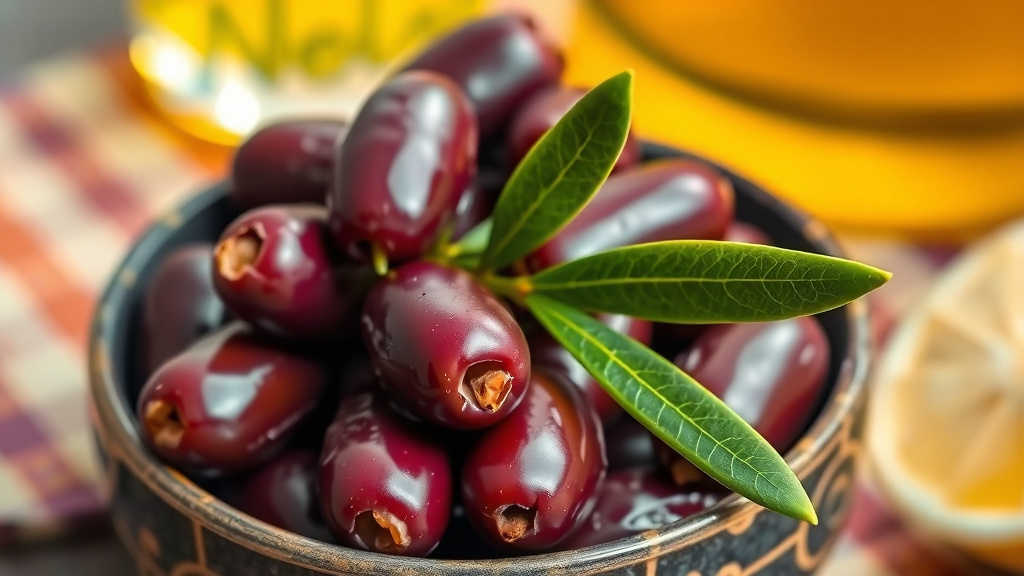
Look for any changes in the olives themselves. Are they looking unusually mushy or dry? Is there any visible mold growth? Mold can appear as fuzzy spots of various colors. You might also notice cloudiness or sliminess in the oil. These are clear indicators that it’s time to toss them. We found that a discolored appearance is also a red flag.
Smell Test: A Powerful Indicator
Your sense of smell is incredibly accurate. If the olives have an off-putting odor, it’s a sure sign. They should smell briny and olive-like. Any smell that is sour, rancid, or “off” means they’ve likely spoiled. Trust your nose; it’s usually right. We found that a foul odor is one of the most reliable indicators of spoilage.
Taste Test (with Caution!)
If everything looks and smells okay, a tiny taste can confirm. But be cautious. If you have any doubts from the visual or smell test, skip the taste. If you do taste, and it’s off – sour, bitter, or just not right – spit it out immediately. Don’t risk it. We found that a spoiled taste is the ultimate confirmation of spoilage.
Quick Checklist for Olive Longevity
Want to make sure your oil cured olives last as long as possible? Follow these simple steps:
- Store unopened jars in a cool, dark pantry.
- Refrigerate opened jars promptly.
- Keep olives fully submerged in olive oil.
- Top up oil if the level gets too low.
- Use clean utensils when removing olives.
- Trust your senses for signs of spoilage.
Conclusion
You’ve learned that oil cured olives are quite forgiving. When stored correctly, they can grace your pantry for months, even up to a year if unopened. The magic lies in the curing process and that protective layer of oil. Once opened, a few months in the fridge with proper oil submersion is your best bet. Always remember to trust your senses – your eyes and nose are your best guides for spoilage. Now you can confidently keep your favorite olives on hand for your next culinary creation or snack!
Frequently Asked Questions
Can I freeze oil cured olives to make them last longer?
Freezing oil cured olives is generally not recommended. The process can significantly alter their texture, making them mushy and less enjoyable once thawed. It’s best to stick to pantry storage for unopened jars and refrigeration for opened ones to maintain their quality.
What happens if I don’t keep my opened oil cured olives submerged in oil?
If your opened oil cured olives aren’t kept submerged in oil, they will be exposed to air. This exposure can lead to them drying out, losing flavor, and potentially developing mold or other spoilage much faster than if they were properly covered.
Do oil cured olives need refrigeration if they are still in an unopened jar?
No, unopened jars of oil cured olives do not need refrigeration. They are shelf-stable and can be stored in a cool, dark pantry. Refrigeration is only necessary after you have opened the jar to slow down the aging process and maintain freshness.
How can I tell if my oil cured olives have gone bad if I can’t see any mold?
Even without visible mold, your oil cured olives might be past their prime if they develop an off-putting smell, like rancidity or sourness. A change in texture, such as becoming unusually slimy or extremely soft, is also a sign. If the taste is off – sour, bitter, or just strange – they have likely spoiled.
Can I use a different type of oil to top up my opened jar of oil cured olives?
Yes, you can use a different type of oil to top up your jar, but using a good quality olive oil is highly recommended. This will best maintain the intended flavor profile and preservation qualities of the olives. Avoid strongly flavored oils that might overpower the olives.

![7 Best Extra Virgin Olive Oil For Polyphenols [2026]](https://bestpureessentialoils.com/wp-content/uploads/2026/08/7-best-extra-virgin-olive-oil-for-polyphenols-2026-featured-768x432.jpg)
![7 Best Olive Oil Brands In Italy [2026]](https://bestpureessentialoils.com/wp-content/uploads/2026/09/7-best-olive-oil-brands-in-italy-2026-featured-768x432.jpg)