
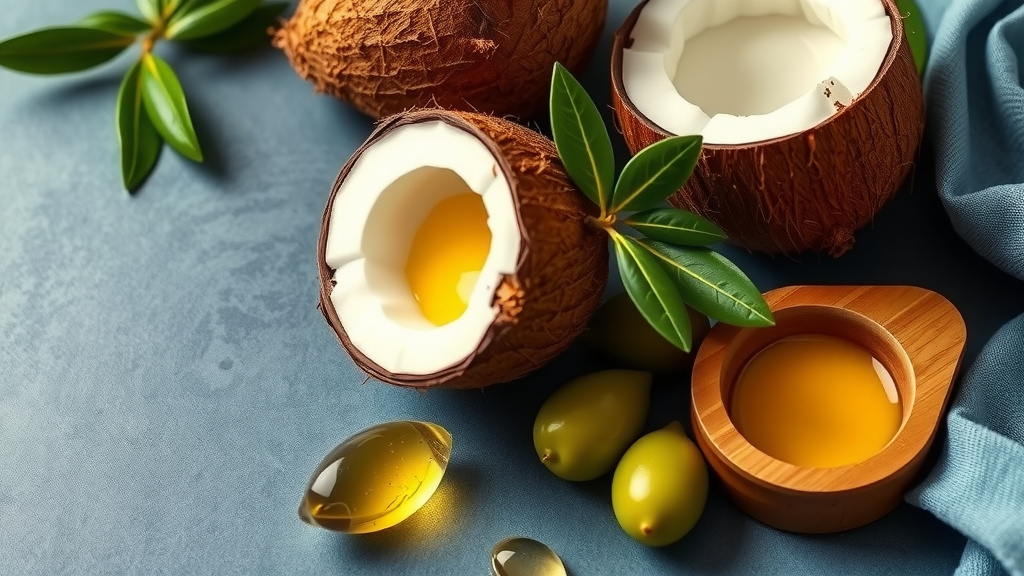
Coconut Oil vs Olive Oil: Cooking Benefits Explored
When deciding between coconut oil and olive oil for cooking, consider their smoke points and fat profiles. Olive oil, especially extra virgin, is best for low-heat cooking and dressings due to its delicate flavor and lower smoke point. Coconut oil, on the other hand, is a solid choice for high-heat cooking like sautéing and baking because of its stable structure and higher smoke point.
Both oils offer unique health benefits, but they are utilized differently in the kitchen. Olive oil is celebrated for its monounsaturated fats and antioxidants, making it a Mediterranean diet staple. Coconut oil contains medium-chain triglycerides (MCTs), which are processed differently by your body. Understanding these differences helps you choose the right oil for your recipe and health goals.
- Coconut oil is better for high-heat cooking.
- Olive oil is ideal for low-heat cooking and dressings.
- Both oils have distinct health benefits.
- Consider the smoke point and fat type for your needs.
Let’s break down exactly how these two popular cooking oils stack up against each other, so you can confidently pick the best one for your next meal.
Comparing Coconut Oil and Olive Oil for Your Kitchen Needs
Choosing the right cooking oil can feel like a big decision. You want something that tastes good, works with your cooking style, and is good for you. Coconut oil and olive oil are two of the most popular choices out there. They both bring unique qualities to the table, from their flavor profiles to how they behave under heat. Let’s dive into what makes each one special and when you might want to reach for one over the other.
Understanding Fat Types and Their Effects
The type of fat in an oil plays a big role in how it affects your health and how it cooks. We found that understanding these fat profiles helps you make informed choices for your meals.
Saturated Fats: The Coconut Oil Story
Coconut oil is mostly made up of saturated fats. Don’t let that word scare you! Much of this is in the form of medium-chain triglycerides (MCTs). Research suggests MCTs are processed differently by your body. They go straight to the liver for quick energy. This is different from the longer chains found in many other saturated fats. Many experts say this quick processing makes MCTs a good option for energy (NCBI).
When you cook with coconut oil, you’ll notice it stays solid at room temperature and melts when heated. This texture change is due to its high saturated fat content. It can add a subtle, pleasant tropical sweetness to your dishes. It’s also quite stable, making it a good choice for certain cooking methods.
Monounsaturated Fats: The Olive Oil Advantage
Olive oil, especially extra virgin olive oil (EVOO), is rich in monounsaturated fats. These are considered heart-healthy fats. They can help lower bad cholesterol levels and raise good cholesterol. The Mediterranean diet, which is famous for its health benefits, heavily features olive oil for this reason (Harvard Health).
These fats are liquid at room temperature. They give olive oil its smooth texture and distinct flavor. When you use olive oil, you’re adding antioxidants and anti-inflammatory compounds to your food. These compounds, like oleocanthal, are believed to offer protective health benefits over time.
Smoke Points: Where the Magic (or Burning) Happens
The smoke point of an oil is the temperature at which it starts to break down and produce smoke. This is super important for cooking. When an oil smokes, it can lose flavor and nutrients, and it can even create harmful compounds.
Coconut Oil’s Heat Tolerance
Refined coconut oil has a smoke point of around 400°F (204°C). Virgin coconut oil is a bit lower, closer to 350°F (177°C). This makes refined coconut oil a really versatile option for many cooking tasks. You can use it for sautéing vegetables, pan-frying, and even baking without worrying too much about it burning.
Its stable structure means it holds up well to higher temperatures. This is one reason why many people choose it for stir-fries or searing meats. You get a nice crust without the oil breaking down too quickly. Just be mindful of the virgin versus refined smoke points for your specific recipe.
Olive Oil’s Delicate Nature
Extra virgin olive oil has a lower smoke point, typically around 375°F (190°C). Other types of olive oil, like light or refined olive oil, have higher smoke points, sometimes up to 470°F (243°C). For general cooking, especially at home, sticking to temperatures below the smoke point is key.
Because of its lower smoke point, EVOO is best suited for low to medium-heat cooking. Think gentle sautéing, making sauces, or drizzling over finished dishes. When you heat it too high, you lose those delicate, fruity flavors and beneficial compounds. It’s like trying to run a marathon at a sprinting pace – it just doesn’t work out well!
Flavor Profiles: Adding Character to Your Cooking
Beyond the technical aspects, the taste these oils bring to your food is a major factor. Do you want a subtle background note or a distinct flavor punch?
The Mildness of Coconut Oil
Coconut oil offers a mild, slightly sweet, tropical flavor. Refined coconut oil has a more neutral taste, making it a great substitute for butter or other oils in baking. You might not even notice it’s there, especially in strong-flavored dishes. Virgin coconut oil has a more pronounced coconut taste. This can be wonderful in curries, baked goods, or anything where you want that hint of the tropics.
The Robustness of Olive Oil
Olive oil’s flavor can range from grassy and peppery (in robust EVOO) to light and buttery (in lighter varieties). EVOO, in particular, can add a fruity, sometimes pungent kick. This makes it a star in salad dressings, marinara sauces, or drizzled over grilled vegetables. It’s often the taste that signals healthy, fresh cooking to many home cooks.
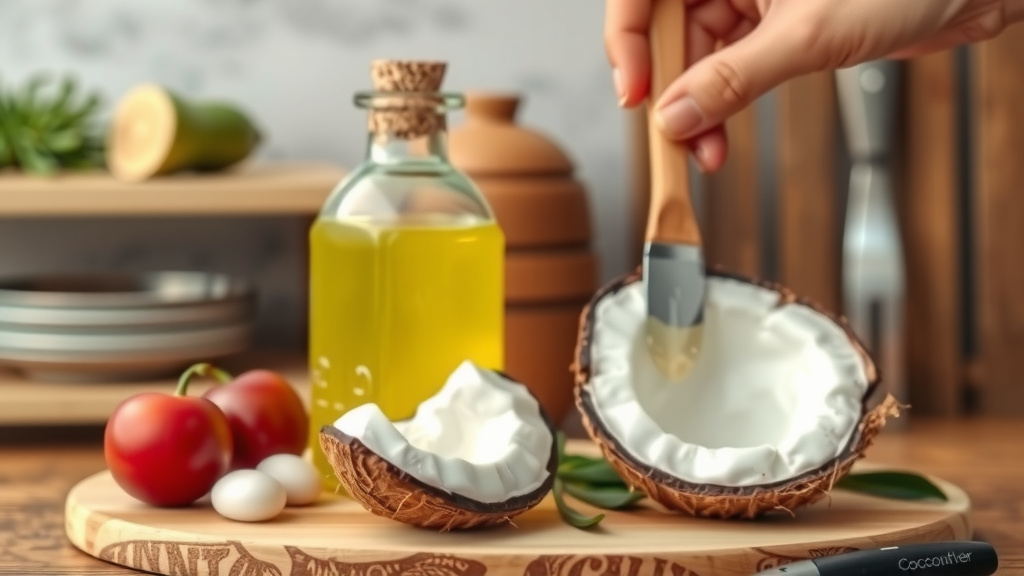
Cooking Applications: Where Each Oil Shines
So, when should you reach for the coconut oil, and when is olive oil the better pick? We found that matching the oil to the cooking method makes a big difference in the final dish.
Coconut Oil’s High-Heat Heroes
Coconut oil is a fantastic choice for cooking methods that require higher heat. This includes:
- Sautéing and Stir-frying: Its stable fat structure handles the heat well.
- Baking: It can replace butter or other oils, adding a moist texture.
- Pan-Frying: Great for achieving a nice sear on meats or vegetables.
- Roasting: Works well for vegetables and meats at higher oven temperatures.
If your recipe calls for temperatures around 350-400°F, refined coconut oil is often a safe and effective bet.
Olive Oil’s Low-Heat Loves
Olive oil excels when you’re not pushing the heat too high. It’s perfect for:
- Salad Dressings: Its flavor really shines through raw.
- Drizzling: Over pasta, soups, or roasted vegetables for added flavor.
- Low-Heat Sautéing: For delicate ingredients like fish or eggs.
- Marinades: Adds moisture and flavor without aggressive heat.
- Bread Dipping: A classic way to enjoy its taste.
For recipes where flavor is key and the heat is moderate, EVOO is often the star.
A Quick Comparison Table
Here’s a simple breakdown to help you decide:
| Feature | Coconut Oil | Olive Oil (Extra Virgin) |
|---|---|---|
| Main Fat Type | Saturated (MCTs) | Monounsaturated |
| Smoke Point (approx.) | 350-400°F (177-204°C) | 375°F (190°C) |
| Best For | High-heat cooking, baking, frying | Low-heat cooking, dressings, drizzling |
| Flavor | Mildly sweet, tropical (can be neutral if refined) | Fruity, peppery, grassy |
| Health Focus | Quick energy from MCTs | Heart health, antioxidants |
Making Your Choice: What to Consider Next
When you’re standing in the kitchen, thinking about what oil to use, ask yourself a few quick questions. What temperature will I be cooking at? Do I want the oil’s flavor to be a main component, or just a cooking medium? Are there specific health benefits I’m focusing on today?
For example, if you’re whipping up a quick salad dressing, extra virgin olive oil is your go-to for its bright flavor and healthy fats. If you’re searing some chicken breasts and want a good crust, refined coconut oil can handle that heat beautifully. Sometimes, you might even use both! Perhaps coconut oil for the initial sear and a drizzle of olive oil at the end for flavor.
We found that having both types of oils in your pantry offers the most flexibility. You’ll always have the right tool for the job, whether you’re baking cookies or whipping up a stir-fry. Your cooking will benefit, and so will your taste buds!
Conclusion
You now have a clearer picture of how coconut oil and olive oil can enhance your cooking. Remember, the best oil depends on your recipe and your health goals. Coconut oil shines in high-heat applications and baking due to its stable structure and MCT content. Olive oil, especially extra virgin, is perfect for dressings and low-heat cooking, bringing heart-healthy monounsaturated fats and antioxidants. Consider keeping both on hand to ensure you’re always using the right oil for the job. Start by picking one difference you learned today and try it in your next meal!
Frequently Asked Questions
Can I substitute coconut oil for olive oil in any recipe?
Generally, you can substitute them, but with caution. For high-heat cooking, coconut oil is a good substitute for olive oil. However, if the recipe relies on olive oil’s flavor or needs a liquid oil for a dressing, a direct substitution might alter the taste and texture.
Is one oil healthier than the other overall?
Both oils offer different health benefits. Olive oil is lauded for its monounsaturated fats and antioxidants, promoting heart health. Coconut oil’s MCTs are noted for quick energy. Health experts often recommend a balanced intake, favoring olive oil for everyday use and coconut oil for specific benefits or cooking needs.
What happens if I use olive oil for high-heat cooking?
Using olive oil, especially extra virgin, above its smoke point can cause it to break down. This process can produce a burnt flavor and may create harmful compounds. For high-heat methods like searing or frying, a more stable oil like refined coconut oil or a different high-smoke-point oil is a better choice.
Does the type of coconut oil matter for cooking?
Yes, it does. Refined coconut oil has a higher smoke point and a neutral flavor, making it versatile for most cooking and baking. Virgin coconut oil has a lower smoke point and a distinct coconut flavor, which can be desirable in certain dishes but might not suit all recipes.
When is it best to use olive oil instead of coconut oil?
You should reach for olive oil when you want to preserve its delicate flavor and beneficial compounds. This includes making salad dressings, marinades, or finishing dishes with a flavorful drizzle. It’s also ideal for low to medium-heat sautés where its fruity or peppery notes can shine.

![7 Best Foods Mayonnaise With Olive Oil Review [2026]](https://bestpureessentialoils.com/wp-content/uploads/2026/08/7-best-foods-mayonnaise-with-olive-oil-review-2026-featured-768x432.jpg)
![7 Best Extra Virgin Olive Oil For Dipping [2026]](https://bestpureessentialoils.com/wp-content/uploads/2026/08/7-best-extra-virgin-olive-oil-for-dipping-2026-featured-768x432.jpg)

One Comment