
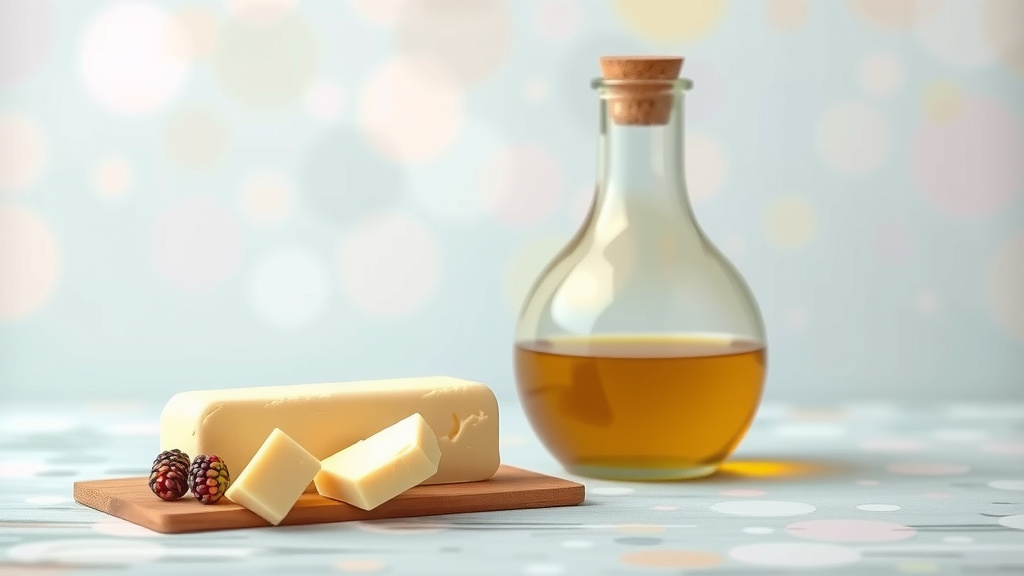
Butter vs Olive Oil Health: Which Is Better For You
When deciding between butter and olive oil, olive oil is generally the healthier choice for most cooking and everyday use. This is primarily because olive oil is rich in monounsaturated fats, which are heart-healthy. Butter, while a delicious staple, contains more saturated fat and cholesterol.
Both have their place in your kitchen. Butter offers a rich flavor that many adore, especially in baking. Olive oil brings its own unique taste and is celebrated for its antioxidant properties. Understanding their differences helps you make informed choices for your health and culinary creations.
- Olive oil is packed with heart-healthy monounsaturated fats.
- Butter contains more saturated fat and cholesterol.
- Both have distinct flavors that work well in different dishes.
- Olive oil offers beneficial antioxidants.
We’ve looked into the research on butter versus olive oil to help you decide which is best for your meals. Let’s break down the key health aspects of each.
Fat Breakdown: What’s Really In Butter and Olive Oil?
When we look at butter versus olive oil health, understanding the fats is your first step. It’s not just about good fat or bad fat. It’s about the types of fat and how they affect your body.
Butter’s Fat Profile
Butter is mostly made of saturated fat. Think of saturated fat like a sturdy brick wall. It’s solid at room temperature. For a long time, health advice was to cut saturated fat way down. Many guidelines still suggest limiting it (CDC).
Butter also contains some monounsaturated and polyunsaturated fats. These are the more liquid fats. But the main story of butter is its saturated fat content. It also has a bit of cholesterol. This is something to keep in mind if you’re tracking your cholesterol intake.
Olive Oil’s Fat Profile
Olive oil shines with its monounsaturated fats. These are like a flexible, well-built frame. They are liquid at room temperature and even when chilled. The star player here is oleic acid. It’s a type of monounsaturated fat linked to many health benefits.
Olive oil also has a small amount of polyunsaturated fats. It has very little saturated fat. This makes it a fat source that many nutrition experts recommend for daily use (Mayo Clinic).
Health Impacts: Heart Health and Beyond
So, how do these different fat profiles play out for your well-being? Let’s look at the research.
Impact on Cholesterol Levels
This is where olive oil really stands out. Studies have consistently shown that replacing saturated fats with monounsaturated fats can help lower “bad” LDL cholesterol. High LDL cholesterol is a known risk factor for heart disease. Olive oil does a great job of this.
Butter, on the other hand, can raise LDL cholesterol because of its saturated fat content. While some people can handle saturated fat better than others, it’s generally advised to use it in moderation. This is a key difference when comparing butter versus olive oil health.
Inflammation and Antioxidants
Your body’s inflammation response is complex. Chronic inflammation is linked to many health problems. Olive oil, especially extra virgin olive oil, is a powerhouse of antioxidants. These compounds help fight inflammation.
One key antioxidant in olive oil is oleocanthal. It’s been studied for its anti-inflammatory properties. Some research even suggests it works similarly to ibuprofen, though much milder (NCBI). Butter doesn’t offer these same antioxidant benefits.
Monounsaturated Fats: The Health MVP
Let’s dive a bit deeper into why monounsaturated fats are so good for you. They are considered heart-healthy fats. They can help improve your cholesterol profile and reduce your risk of heart disease. They also play a role in regulating blood sugar levels.
These fats are a core part of dietary patterns recommended for heart health, like the Mediterranean diet. This diet features olive oil prominently. It’s a strong indicator of olive oil’s positive impact.
Cooking Considerations: Smoke Points and Flavor
Beyond the nutritional aspects, how do butter and olive oil behave in the kitchen? This is just as important for your cooking!
Smoke Points Explained
The smoke point is the temperature at which an oil starts to burn and break down. When oil smokes, it can release harmful compounds. It also affects the flavor of your food.
Butter’s Smoke Point
Butter has a relatively low smoke point. This is mainly due to the milk solids it contains. Regular butter typically smokes around 300-350°F (150-175°C). Clarified butter, or ghee, has the milk solids removed, giving it a much higher smoke point (around 450°F or 230°C).
Olive Oil’s Smoke Point
The smoke point of olive oil varies. Refined olive oils have higher smoke points, often suitable for higher-heat cooking. Extra virgin olive oil (EVOO), which is less processed, generally has a smoke point around 375-405°F (190-207°C). This makes it versatile for many cooking methods, though very high-heat searing might be better suited for other oils.
Flavor Profiles for Your Palate
Both butter and olive oil bring distinct tastes to your dishes. Your choice often comes down to the desired flavor. Do you want a rich, creamy taste or a fruity, peppery note?
Butter offers a rich, creamy flavor. It’s classic in baked goods like cookies and cakes. It also adds a comforting taste to mashed potatoes or sautéed vegetables. It’s a flavor many people grew up with and find very satisfying.
Olive oil, especially EVOO, brings a fruity, sometimes peppery or grassy flavor. This can range from mild to robust. It’s wonderful in salad dressings, for drizzling over finished dishes, or for sautéing vegetables where you want that distinct olive oil taste to complement the food.
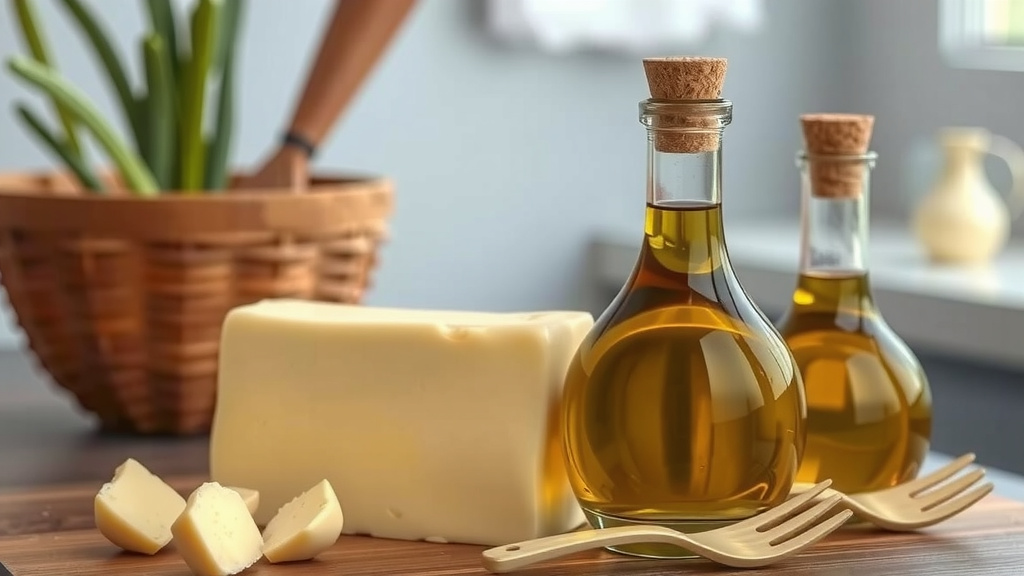
Making the Best Choice for You
Deciding between butter and olive oil isn’t always black and white. It depends on your health goals and your recipes.
Consider this a quick guide to help you choose:
- For heart health, lean towards olive oil as your primary fat.
- When baking, butter often provides the texture and flavor you need.
- For salad dressings and finishing dishes, EVOO adds wonderful flavor and nutrients.
- For everyday cooking like sautéing, olive oil is a solid choice.
- If you love butter’s flavor, use it mindfully, perhaps in smaller amounts.
It’s about balance. You don’t have to pick just one. Many kitchens benefit from having both on hand for different purposes. Both can fit into a healthy diet when used appropriately.
| Feature | Butter | Olive Oil (Extra Virgin) |
|---|---|---|
| Main Fat Type | Saturated Fat | Monounsaturated Fat |
| Heart Health Impact | Can raise LDL cholesterol (in excess) | Helps lower LDL cholesterol, supports heart health |
| Antioxidants | Minimal | Rich source |
| Flavor Profile | Rich, creamy | Fruity, grassy, peppery |
| Typical Smoke Point | 300-350°F (150-175°C) | 375-405°F (190-207°C) |
| Best Uses | Baking, finishing cooked foods for flavor | Salad dressings, sautéing, finishing dishes |
Conclusion
When choosing between butter and olive oil for your meals, your health goals and culinary needs are your guides. Research shows olive oil is a champion for heart health, thanks to its monounsaturated fats and antioxidants. Butter offers unique flavor and texture, especially in baking, but should be enjoyed in moderation due to its saturated fat content. You don’t have to choose just one. You can build a balanced diet by using olive oil for everyday cooking and dressings, and butter for special treats or recipes where its flavor is essential. Start by swapping your usual cooking fat for olive oil in one meal this week.
Frequently Asked Questions
Is olive oil better than butter for weight loss?
Olive oil is often considered a better choice for weight management due to its healthy fats. These fats can help you feel fuller for longer, potentially reducing overall calorie intake. While not a magic bullet, incorporating olive oil as part of a balanced diet can support weight loss efforts.
Can I use olive oil for high-heat cooking like searing steak?
Extra virgin olive oil has a smoke point around 375-405°F, which is suitable for most sautéing and pan-frying. For very high-heat searing above 400°F, a more refined olive oil or another oil with a higher smoke point might be a better choice to prevent burning.
Does butter have any health benefits?
Butter contains some fat-soluble vitamins like A, D, E, and K. It also contains conjugated linoleic acid (CLA), a fatty acid that has been studied for potential health benefits. However, its high saturated fat content means it should be consumed in moderation.
What’s the difference between extra virgin olive oil and regular olive oil for health?
Extra virgin olive oil (EVOO) is less processed and retains more of its natural antioxidants and beneficial compounds, like polyphenols. Regular or “light” olive oil is more refined, which can reduce its antioxidant content and slightly alter its flavor profile.
Should I completely avoid butter if I have high cholesterol?
If you have high cholesterol, it’s wise to limit your intake of butter and other foods high in saturated fat and cholesterol. Replacing some butter with olive oil in your diet can be a beneficial strategy. Always consult with your doctor or a registered dietitian for personalized dietary advice.

![7 Best Extra Virgin Olive Oil For Skin And Hair [2026]](https://bestpureessentialoils.com/wp-content/uploads/2026/08/7-best-extra-virgin-olive-oil-for-skin-and-hair-2026-featured-768x432.jpg)
![7 Best Moroccan Olive Oil [2026]](https://bestpureessentialoils.com/wp-content/uploads/2026/09/7-best-moroccan-olive-oil-2026-featured-768x432.jpg)