Cheap vs Expensive Olive Oil: What’s the Real Difference
When it comes to olive oil, you might be wondering if the price tag truly reflects the quality you’re getting. Generally, yes, you’ll find that more expensive olive oils often offer a better flavor and higher quality due to stricter production standards and better ingredients.
While cheap olive oil can still be functional for certain cooking tasks, it might lack the rich taste and health benefits you’d find in a premium bottle. Many experts agree that investing a little more can make a big difference in your dishes. We found that a good balance exists between cost and quality.
- Cheaper olive oil is often refined, losing flavor.
- Expensive olive oil usually means higher quality olives and better processing.
- Your cooking needs will help decide what’s best for you.
- Taste is a big indicator of olive oil quality.
Let’s break down the differences between cheap and expensive olive oil so you can make the best choice for your kitchen.
“`htmlUnderstanding the Difference: When to Splurge on Olive Oil
You’ve probably stood in the grocery aisle, staring at a wall of olive oils. Some are a few dollars, while others cost ten times as much. What gives? We’ve found that price often points to quality, but not always. Let’s get into what really separates the budget-friendly from the premium bottles.
What Makes Some Olive Oils So Cheap?
Often, the low price tag on a bottle of olive oil means something was sacrificed. It could be the quality of the olives themselves, or how they were handled after picking. Think of it like baking: using older, bruised fruit will change the final cake.
The Role of Processing and Refining
Many cheaper oils are labeled “pure olive oil” or “light olive oil.” This often means they’ve undergone extensive refining processes. Heat and chemicals are used to remove impurities and any off-flavors. While this makes the oil stable, it strips away much of the delicate flavor and beneficial compounds.
Where Do These Olives Come From?
Budget oils might use olives from many different regions. This blend can hide inconsistencies. Sometimes, olives might not be the freshest when they reach the processing plant. We found that a longer time from harvest to bottle can impact the oil’s character.
Why Does Expensive Olive Oil Cost More?
When you see a higher price, you’re usually paying for a more careful approach. This starts with the olives themselves. Premium oils often use specific, high-quality olives picked at their peak ripeness.
Harvesting and Extraction Methods
Expensive oils are typically “extra virgin.” This means they are unrefined and extracted using mechanical methods without heat. This preserves the natural flavors and nutrients. Many producers use cold-pressing techniques, which is a slower, more delicate process.
Single Origin vs. Blends
You’ll often find premium oils are from a single estate or region. This allows for a distinct flavor profile. It’s like comparing a fine wine from one vineyard to a generic blend. Experts say this traceability matters for quality.
Freshness and Bottling
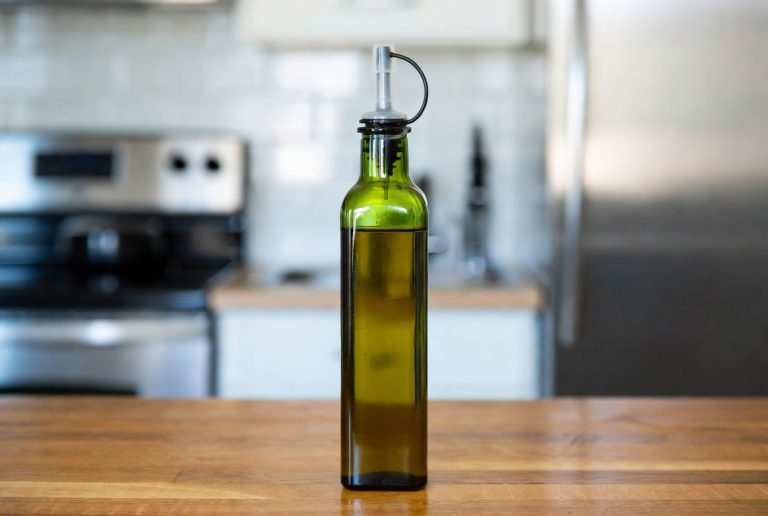
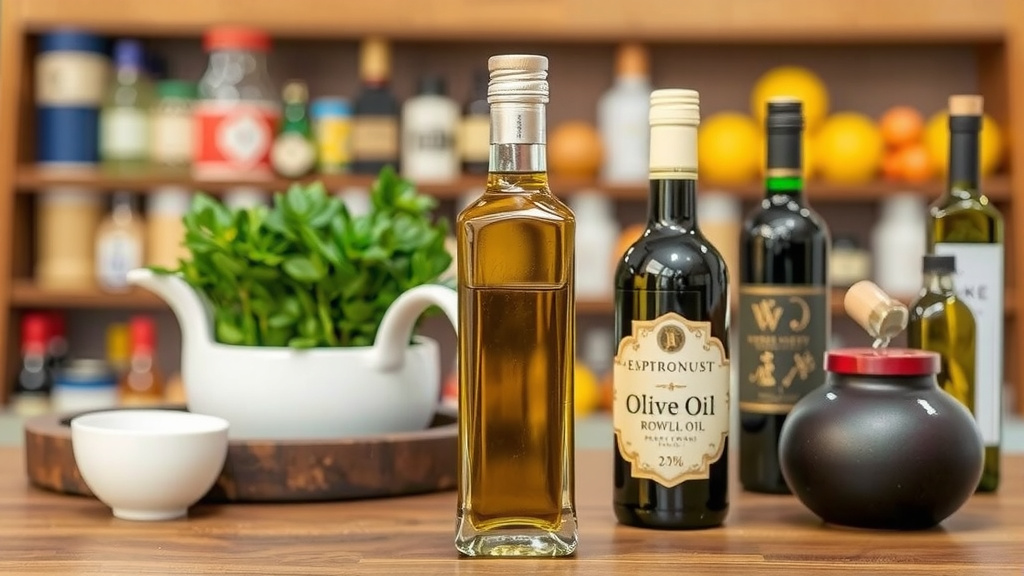
Producers of higher-end oils are very concerned with freshness. They often bottle their oil in smaller batches and use dark glass bottles to protect it from light. This care adds to the overall cost, but ensures you get a vibrant product.
Taste the Difference: Flavor Profiles
The most obvious difference you’ll notice is in the taste. Cheap olive oil can be quite neutral, almost flavorless. It might have a slightly oily or waxy taste. It gets the job done for sautéing, but it won’t add much to your meal.
On the other hand, good quality extra virgin olive oil has a complex flavor. You might detect notes of grass, artichoke, almond, or even pepper. This “peppery finish” is actually a sign of healthy antioxidants (National Olive Oil). A really good oil can brighten up a simple salad dressing or finish a dish beautifully.
| Feature | Budget Olive Oil | Premium Olive Oil |
|---|---|---|
| Olives | Mixed origin, lower quality, possibly older | High-quality, specific varietals, peak ripeness |
| Processing | Refined, often with heat/chemicals | Unrefined, cold-pressed, mechanical extraction |
| Flavor | Neutral, bland, sometimes waxy | Fruity, grassy, peppery, complex notes |
| Nutrients | Lower levels due to refining | Higher levels of antioxidants and healthy fats |
| Use Case | High-heat cooking, general sautéing | Dressings, finishing, dipping, light cooking |
When to Choose What: Practical Advice
So, do you always need the priciest bottle? Not necessarily. Your choice depends on how you plan to use the oil. For everyday cooking tasks where the oil is heated intensely, a less expensive, refined olive oil might be perfectly fine.
Think about tasks like searing chicken or roasting vegetables. The delicate flavors of a premium oil would likely get lost. In these cases, a “pure” or “light” olive oil works well and saves you money.
When to Invest in Better Quality
You’ll want to reach for that more expensive bottle when the olive oil is a star ingredient. This includes:
- Drizzling over finished dishes like pasta or grilled fish.
- Making salad dressings where the oil is raw.
- Using it for dipping bread.
- Adding a finishing touch to soups or risottos.
Here, the nuanced flavors and aromas of a high-quality oil truly shine. We found that using a good oil in these ways can really transform a simple dish.
A Quick Checklist for Your Next Purchase
To help you navigate the choices next time you shop, keep these points in mind:
- Look for “Extra Virgin” on the label for the highest quality.
- Check the harvest date if available; fresher is better.
- Consider the origin – single origin often means more care.
- Dark glass bottles protect the oil from light damage.
- If the price seems too good to be true, it might be.
Conclusion
You’ve learned that while cheaper olive oils can serve basic cooking needs, they often sacrifice flavor and nutrients through refining. Investing a bit more in premium extra virgin olive oil means you’re getting higher quality olives and a more careful extraction process. This results in richer taste and more beneficial compounds.
Ultimately, the best olive oil for you depends on how you plan to use it. For everyday sautéing, budget-friendly options are fine. But for finishing dishes, dressings, or dipping bread, reaching for that higher-quality bottle will truly enhance your culinary experience. Make your next grocery trip a quality one!
Frequently Asked Questions
Does “light” olive oil have less fat?
No, “light” in olive oil refers to its flavor and color, not its fat content. Light olive oil is often highly refined, making it neutral in taste and appearance. It still contains the same amount of fat as other olive oils.
How can I tell if my expensive olive oil has gone bad?
Good quality olive oil can go rancid. Look for signs like a waxy, crayon-like smell or a dull, muddy color. The flavor will also be off, tasting stale or bitter instead of fresh and peppery.
Is extra virgin olive oil always the most expensive?
Generally, extra virgin olive oil is on the higher end because it’s unrefined and made from the first press of olives. However, price can also vary based on brand, origin, and packaging, so not all extra virgin oils are the priciest on the shelf.
Can I use cheap olive oil for deep frying?
While you can technically deep fry with cheaper, refined olive oils, it’s not ideal. Their lower smoke point and lack of flavor won’t benefit your food, and you’ll miss out on healthier fats. Many people prefer oils with higher smoke points for deep frying.
What does the harvest date on an olive oil bottle mean?
The harvest date indicates when the olives were picked and pressed. This is a key indicator of freshness. Oils with a more recent harvest date are usually more flavorful and retain more beneficial compounds.