How Long Does Olive Oil Last Before It Goes Bad
Your olive oil can go bad, but it doesn’t have to be a mystery! Generally, unopened extra virgin olive oil lasts about 18-24 months from its bottling date. Once opened, it’s best used within 3-6 months. So, that fancy bottle might not last forever, but you usually have plenty of time to enjoy it.
When olive oil goes bad, it loses its fresh flavor and can develop an unpleasant, rancid taste. This happens because of oxidation, which is affected by light, heat, and air exposure. Proper storage is key to maximizing its lifespan and keeping your dishes tasting their best.
- Unopened EVOO lasts 18-24 months from bottling.
- Opened olive oil is best within 3-6 months.
- Bad olive oil tastes and smells rancid.
- Storage conditions greatly impact its shelf life.
We know you want to get the most out of your kitchen staples. Let’s dive into the signs of spoilage and the best ways to keep your olive oil fresh for as long as possible.
When Does Olive Oil Expire? A Guide to Freshness
You’ve likely wondered about the shelf life of your favorite cooking oil. Knowing when olive oil goes bad is essential for both taste and safety. Generally, unopened extra virgin olive oil is good for about 18 to 24 months from its bottling date. Once you’ve popped the seal, aim to use it within 3 to 6 months for the best quality.
Understanding Olive Oil Spoilage: Signs to Look For
So, what happens when olive oil is no longer fresh? It doesn’t become dangerous in a way that will make you seriously ill. However, it certainly won’t taste good! You’ll notice a definite change in its aroma and flavor profile. Instead of the bright, fruity notes you expect, it might smell like crayons, putty, or even old nuts. The taste often becomes bitter, sour, or metallic.
The Science Behind Rancidity: Oxidation Explained
The main culprit behind olive oil going bad is a process called oxidation. This happens when the oil is exposed to oxygen in the air. Think of it like an apple turning brown after you cut it. Certain compounds in the oil react with oxygen, causing a breakdown in quality. Factors like heat, light, and air all speed up this process.
Smell Tests: Your Nose Knows Best
Your sense of smell is your first line of defense. Give your olive oil a good sniff. A fresh oil will have a clean, sometimes peppery or grassy aroma. If it smells like anything other than that – perhaps musty, stale, or like old nuts – it’s a strong indicator that the oil has gone rancid. Don’t hesitate to trust your nose!
Taste Tests: A Small Sip Goes a Long Way
If the smell test passes, take a tiny sip. A truly fresh olive oil might have a slight peppery sensation at the back of your throat. If your oil tastes bitter, sour, or just generally “off,” it’s past its prime. You’re looking for that smooth, rich flavor, not something that makes you want to reach for water immediately.
Factors Affecting Olive Oil’s Shelf Life
Several things influence how long your olive oil stays at its best. Understanding these can help you make informed decisions about when to buy and how to store it.
The Impact of Bottling Date vs. Expiration Date
You might see two dates on a bottle: a bottling date and an expiration date. The bottling date is a much better indicator of freshness. Olive oil doesn’t magically spoil on an expiration date. Instead, it’s a manufacturer’s best guess for peak quality. Always try to find oil with the most recent bottling date you can.
Extra Virgin vs. Other Grades: What’s the Difference for Shelf Life?
Extra virgin olive oil (EVOO) is the highest grade. It’s made from pure, cold-pressed olives. Because it’s less processed, it tends to have a more robust flavor and can sometimes be a bit more sensitive to poor storage. Other olive oils, like pure or light olive oil, have undergone more refinement. This process can extend their shelf life slightly but often at the expense of flavor and health benefits (NCBI). Learn about the difference between extra virgin olive oil and blended oils.
Storage: The Unsung Hero of Freshness
How you store your olive oil is arguably the most critical factor in its longevity. Proper storage can significantly extend its life. Conversely, poor storage can cause even the freshest oil to go bad quickly.
The Enemies of Olive Oil: Light, Heat, and Air
These three elements are the primary drivers of olive oil degradation. Light, especially sunlight, can degrade the oil’s compounds. Heat accelerates the oxidation process. And, of course, exposure to air is what causes rancidity in the first place.
Best Practices for Storing Your Olive Oil
Keep your olive oil in a cool, dark place. A pantry or cupboard away from the stove or a sunny window is ideal. Avoid storing it on the countertop where it’s exposed to light and temperature fluctuations. Many people prefer dark glass bottles or tins, as they offer better protection from light than clear plastic containers.
Refrigeration? Usually Not Recommended.
While refrigeration might seem like a good idea to keep things cool, it’s generally not recommended for olive oil. Cold temperatures can cause the oil to solidify and become cloudy. This doesn’t harm the oil, but it can make it difficult to pour. More importantly, repeated temperature changes (like taking it in and out of the fridge) can be more damaging than simply storing it at a stable room temperature away from light and heat (Cleveland Clinic).
How Long Does Olive Oil Really Last? A Quick Comparison
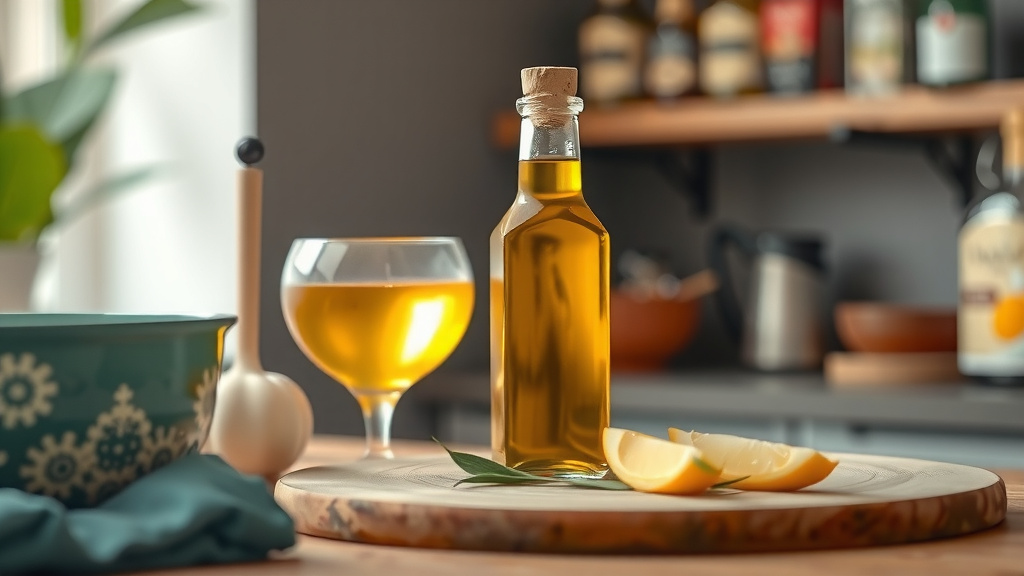
To help you visualize, here’s a look at typical timelines. Remember, these are general guidelines, and actual shelf life can vary based on quality and storage.
| Type of Olive Oil | Unopened Shelf Life (from bottling) | Opened Shelf Life (best quality) |
|---|---|---|
| Extra Virgin Olive Oil | 18-24 months | 3-6 months |
| Pure/Light Olive Oil | 24-36 months | 6-12 months |
| Stored Improperly | Significantly reduced | As little as 1-2 months |
A Simple Checklist for Keeping Your Olive Oil Fresh
Want to make sure you’re doing everything you can? Keep this quick checklist handy:
- Choose wisely: Look for the bottling date on the label.
- Dark bottles: Opt for oil in dark glass or opaque tins.
- Cool storage: Keep it in a pantry or cupboard.
- Away from heat: Store it far from the stove or sunny windows.
- Seal it tight: Always replace the cap securely after use.
- Use it up: Don’t let that bottle linger for years!
Conclusion
You now have the knowledge to keep your olive oil tasting its best! Remember, unopened extra virgin olive oil generally lasts 18-24 months, and once opened, aim to use it within 3-6 months. By storing it in a cool, dark place, away from heat and air, you’ll prevent rancidity. Trust your senses of smell and taste to guide you. Ready to put this into practice? Check the bottling date on your current bottle and implement one new storage tip this week!
Frequently Asked Questions
Can I still use olive oil if it smells a little off?
While it’s unlikely to make you sick, using olive oil that smells rancid will negatively impact the flavor of your food. It’s best to discard it and start with a fresh bottle to ensure your dishes taste as intended.
Does the type of container matter for olive oil freshness?
Yes, it absolutely does! Dark glass bottles or opaque tins are best because they protect the oil from light, which speeds up spoilage. Clear plastic bottles offer the least protection and can lead to a shorter shelf life.
How do I know if my olive oil has gone bad?
The main signs are changes in smell and taste. If it smells like crayons, putty, or old nuts, or tastes bitter, sour, or metallic, it has likely gone bad. Fresh olive oil has a fruity or grassy aroma and a smooth, sometimes peppery taste.
Is it okay to refrigerate olive oil to make it last longer?
Refrigeration is generally not recommended for olive oil. While it won’t harm the oil, it can cause it to solidify and turn cloudy, making it difficult to pour. Stable room temperature away from light and heat is better.
What’s the difference between a bottling date and an expiration date on olive oil?
The bottling date is a much more reliable indicator of freshness than an expiration date. Olive oil doesn’t spoil suddenly on a specific date; the bottling date tells you when it was packed, giving you a better sense of how long it has been around.

![7 Best Gift Olive Oil [2026]](https://bestpureessentialoils.com/wp-content/uploads/2026/08/7-best-gift-olive-oil-2026-featured-768x432.jpg)
![7 Best Grocery Store Olive Oil Brands [2026]](https://bestpureessentialoils.com/wp-content/uploads/2026/08/7-best-grocery-store-olive-oil-brands-2026-featured-768x432.jpg)
![7 Best Extra Virgin Olive Oil From California [2026]](https://bestpureessentialoils.com/wp-content/uploads/2026/08/7-best-extra-virgin-olive-oil-from-california-2026-featured-768x432.jpg)
![7 Best Extra Virgin Olive Oil For Polyphenols [2026]](https://bestpureessentialoils.com/wp-content/uploads/2026/08/7-best-extra-virgin-olive-oil-for-polyphenols-2026-featured-768x432.jpg)