Fresh Herbs in Olive Oil: How Long They Last
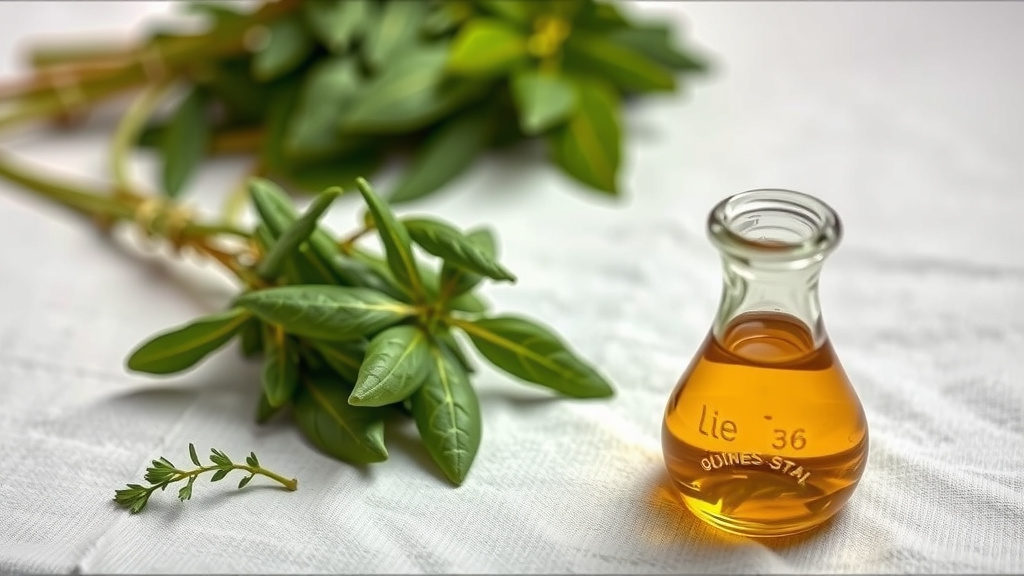
You can keep fresh herbs in olive oil for a limited time, typically up to one week when stored properly in the refrigerator. Beyond this, the risk of botulism, a serious foodborne illness, increases significantly because the low acidity of herbs combined with the oil creates an ideal environment for the bacteria to grow. Always ensure your herbs are completely submerged in the oil and kept chilled.
Infusing olive oil with fresh herbs can add a wonderful flavor to your cooking. But what happens when those delicious herbs swim in oil for too long? Many sources advise caution, highlighting that improperly stored herb-infused oils pose a botulism risk. It’s essential to understand the safe practices to enjoy your infused oils without worry. This guide will help you navigate how long you can safely enjoy them.
- Fresh herbs in olive oil are best used within 1 week.
- Always store them in the refrigerator.
- Ensure herbs are fully submerged in oil.
- Be aware of the botulism risk with longer storage.
- Consider drying herbs first for longer shelf life.
Ready to learn the best practices for keeping your fresh herb olive oil safe and delicious? Let’s walk through exactly how to do it right.
“`htmlHow Long Can You Safely Store Fresh Herbs in Olive Oil?
You’ve just infused your olive oil with the fragrant essence of fresh herbs, and it smells divine! But a common question pops up: how long can you actually keep these culinary creations on hand? Many sources recommend a fairly strict timeline, and for good reason. We found that fresh herbs submerged in olive oil are generally considered safe to use for about **1 week** when refrigerated properly.
Why such a short window? It all comes down to a tricky little bacterium called Clostridium botulinum. This bug thrives in environments that are low in acid and oxygen. Unfortunately, fresh herbs can provide just the right conditions when they’re packed into olive oil. The oil itself creates an anaerobic (oxygen-free) environment, and the moisture from the herbs adds to the risk. This is why proper refrigeration and a strict time limit are so important for preventing the growth of harmful bacteria.
Understanding the Botulism Risk
Let’s talk more about botulism. It’s a rare but very serious illness caused by toxins produced by the Clostridium botulinum bacteria. These bacteria can be found in soil, water, and animal feces. When they get into low-acid, oxygen-free environments like improperly prepared oils with fresh ingredients, they can multiply and produce a potent neurotoxin.
The scary part? You usually can’t see, smell, or taste botulinum toxin. This makes it a silent threat. While botulism from homemade herb-infused oils is not extremely common, the potential consequences are severe enough that caution is absolutely warranted. Organizations like the Centers for Disease Control and Prevention (CDC) strongly advise against storing homemade garlic-in-oil or herb-in-oil mixtures at room temperature, and even refrigerated versions have a limited shelf life.
Why Refrigeration is Non-Negotiable
So, what’s the magic bullet? Refrigeration. Keeping your herb-infused oil chilled significantly slows down the growth of bacteria. It doesn’t stop it entirely, especially with the specific conditions created by herbs in oil, but it buys you precious time. Think of your refrigerator as a superhero cape for your infused oil, offering protection, but not an invisibility cloak against all threats.
We found that even with refrigeration, the risk doesn’t disappear completely. It’s a matter of drastically reducing the probability. For this reason, even when you refrigerate, sticking to that 1-week guideline for fresh herbs is the safest bet. It’s a small sacrifice for peace of mind and continued deliciousness.
Ensuring Complete Submersion
Another critical factor is how you prepare your herbs. For the safest infusion, you’ll want to make sure your fresh herbs are completely submerged in the olive oil. Any part of the herb sticking out of the oil is exposed to air and can become a breeding ground for unwanted microorganisms, increasing the spoilage risk.
Before you seal your container, give it a gentle swirl or press down on the herbs to ensure they are all nestled under the oil’s surface. If you notice any herbs peeking out after a day or so, add a little more oil to cover them. This simple step goes a long way in maintaining the integrity and safety of your infused oil.
Making Your Herb Infusions Last Longer: Smart Alternatives
What if you want to enjoy herb-infused oils for more than a week? Don’t worry, there are ways to extend that flavor party! The key is to alter the conditions that allow bacteria to flourish. Drying your herbs first is a fantastic method.
The Power of Drying Herbs
Drying herbs dramatically reduces their moisture content. Less moisture means less water for bacteria to thrive in. You can air-dry herbs by hanging them in a warm, dry place, or use a food dehydrator for faster results. Once fully dried, you can then infuse them into olive oil.
Research suggests that properly dried herbs are much safer for oil infusions and can last significantly longer. While exact shelf life can vary based on drying effectiveness and storage, you’re looking at potentially several weeks or even months when stored in a cool, dark place. Always use your judgment, though; if it looks or smells off, it’s time to discard it.
Using Dried Herbs in Your Oil
When infusing with dried herbs, the process is similar, but the outcome is different. You can simply add your dried herbs to your olive oil and let them steep. Because the moisture content is so low, the risk of botulism is greatly reduced. You can store these dried herb-infused oils in a cool, dark pantry for a much longer period compared to fresh herb versions.
Think of it like jerky versus a fresh steak. The jerky (dried herb) has a much longer shelf life because the water has been removed. The fresh steak (fresh herb) needs prompt refrigeration and consumption. This is a prime example of how a simple preparation step can change the food safety rules.
When to Toss Your Infused Oil
Trust your senses! Even within the recommended timeframe, always inspect your infused oil before using it. Look for any signs of spoilage.
- Appearance: Is the oil cloudy when it used to be clear? Do you see any mold, fuzzy patches, or unusual discoloration?
- Smell: Does it have a rancid, off, or unpleasant odor? Fresh herbs should smell vibrant, not funky.
- Taste: If it looks and smells fine, a tiny taste test can confirm. If it tastes “off” or sour, discard it immediately.
If you have any doubts at all, it’s always best to err on the side of caution and throw it out. Food safety is not the place to take risks, especially when the ingredients are inexpensive to replace.
Quick Checklist for Safe Herb-Infused Oil
Want to keep your infused oil adventures safe and tasty? Follow these quick tips:
- Use fresh herbs for infusions intended for short-term use (1 week).
- Always store fresh herb infusions in the refrigerator.
- Ensure herbs are fully submerged in the oil.
- When in doubt, discard the oil.
- For longer storage, use dried herbs instead.
- Discard any oil that looks or smells suspicious.
Conclusion
You’ve learned that while infusing olive oil with fresh herbs is delightful, safety is paramount. For fresh herbs, we found that a strict 1-week refrigeration window is the safest bet to minimize botulism risk. Always ensure your herbs are fully submerged in oil and keep them chilled. If you crave longer-lasting herb infusions, opt for drying your herbs first, which dramatically reduces moisture and the associated risks. Trust your senses – if anything seems off, it’s time to toss it. Now you can confidently create and enjoy your herb-infused oils with peace of mind!
Frequently Asked Questions
Can I leave fresh herbs in olive oil at room temperature?
Absolutely not. Storing fresh herbs in olive oil at room temperature is a high-risk practice. The warm temperatures combined with the low-acid, oxygen-free environment create ideal conditions for harmful bacteria like Clostridium botulinum to grow. Always keep fresh herb infusions refrigerated.
What happens if I use herbs that weren’t completely submerged?
If parts of your fresh herbs poke out of the olive oil, they are exposed to air. This can lead to spoilage and increase the risk of bacterial growth, including botulism. Ensure all fresh herbs are kept fully submerged in the oil to maintain a safer infusion.
How long can I store olive oil infused with dried herbs?
Olive oil infused with properly dried herbs has a much longer shelf life. Because the moisture content is significantly reduced, the risk of botulism is greatly lowered. These infusions can typically be stored in a cool, dark pantry for several weeks, or even a few months.
Is there a specific type of olive oil that’s better for infusions?
For infusions, a good quality extra virgin olive oil is generally recommended for its flavor profile. However, the type of olive oil doesn’t directly impact the safety timeline for fresh herbs. The key safety factors remain refrigeration, submersion, and the 1-week limit for fresh ingredients.
How can I tell if my herb-infused olive oil has gone bad?
Always trust your senses. Look for signs like cloudiness, mold, or unusual discoloration in the oil. Pay attention to the smell; a rancid or off odor is a clear indicator of spoilage. If it tastes sour or “off,” discard it immediately.

![7 Best Greek Olive Oil Soap [2026]](https://bestpureessentialoils.com/wp-content/uploads/2026/08/7-best-greek-olive-oil-soap-2026-featured-768x432.jpg)