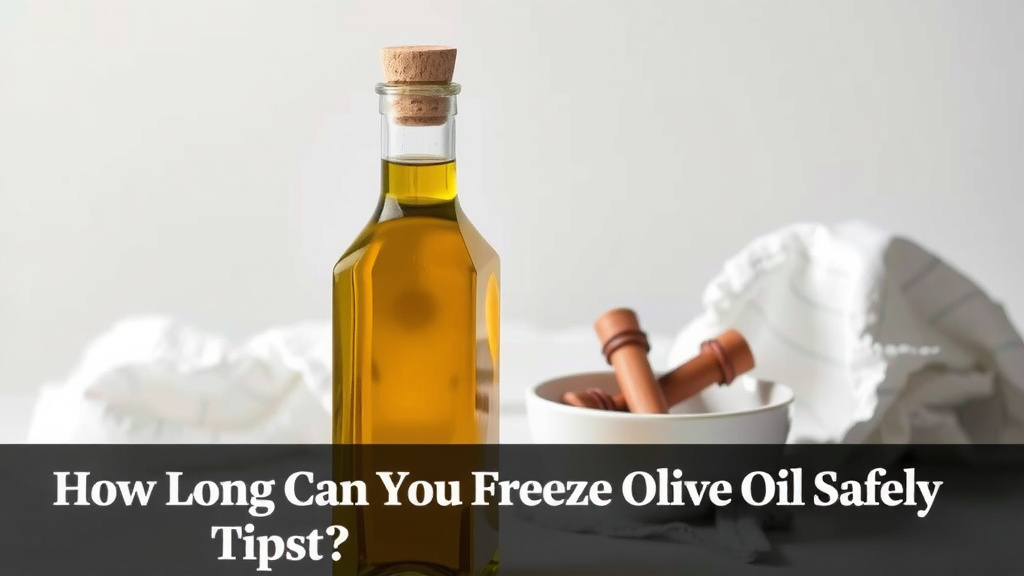
How Long Can You Freeze Olive Oil Safely
Yes, you can absolutely freeze olive oil, and it’s a fantastic way to extend its shelf life for **long-term storage**. When properly frozen, olive oil can last for **up to two years**, retaining much of its quality. You don’t need to worry about it spoiling, though it might become cloudy and thicker temporarily.
Freezing is a smart move if you’ve bought a large quantity of olive oil or have one you don’t use very often. It helps to **preserve its delicate flavors and beneficial compounds** from degrading over time. Think of it as hitting a pause button on its freshness, ensuring you can enjoy good quality oil down the line.
- Olive oil can be frozen for up to two years.
- Freezing helps preserve flavor and quality.
- It may become cloudy but will return to normal.
- Use airtight containers for the best results.
So, if you’re wondering about the best way to keep that liquid gold fresh, freezing is a great option. Below, we’ll dive into how to do it right and what to expect.
“`htmlStoring Your Olive Oil for the Long Haul: Freezing Tips
So, you’ve got a bottle of lovely olive oil, and you want to make sure it stays fresh for as long as possible. Freezing is a fantastic way to do just that! It’s like putting your olive oil on pause. You might be wondering, “Can I *really* freeze olive oil?” The answer is a resounding yes!
Many people worry about their olive oil going rancid before they can use it all. This is especially true if you buy in bulk or only use it for specific recipes. Freezing is your secret weapon against flavor loss and spoilage. Research shows that cold temperatures slow down the oxidation process, which is what makes oils go bad (National Center for Home Food Preservation).
How Long Can Olive Oil Stay Frozen?
When frozen correctly, olive oil can maintain its quality for a surprisingly long time. We’re talking about **up to two years**. That’s a significant extension from its usual shelf life at room temperature. Think of it as a little time capsule for delicious flavor.
It’s important to remember that “best by” dates on olive oil are more about peak flavor than safety. Olive oil doesn’t really “spoil” in a way that makes it dangerous to consume, but its flavor and aroma can diminish over time. Freezing helps to preserve those fresh, vibrant notes for a much longer period.
What Happens to Olive Oil When It Freezes?
Don’t be alarmed if your olive oil looks a bit different after spending time in the freezer. You’ll notice it becoming thicker and cloudier. This is completely normal and a sign that the freezing process is working. The oil is essentially solidifying, similar to how water turns to ice.
The cloudiness is due to the formation of small, solid fat crystals. Once you take the olive oil out of the freezer and let it thaw, these crystals will melt. The oil will return to its original clear state. You might even notice a bit of separation, but that’s also temporary.
Does Freezing Affect Olive Oil Quality?
For the most part, freezing has minimal impact on the nutritional value and overall quality of your olive oil. The primary concern with oil storage is oxidation and light exposure, both of which are significantly reduced by freezing.
However, there’s a slight caveat. Some very subtle aromatic compounds might be affected by repeated freezing and thawing cycles. For this reason, it’s best to freeze oil in smaller portions if you plan to use it frequently. This way, you only thaw what you need, minimizing exposure to temperature changes.
Best Practices for Freezing Olive Oil
To get the most out of freezing your olive oil, follow these simple steps. Proper preparation ensures you get the best results when you’re ready to use it again.
Choosing the Right Container
The container you choose is key to successful freezing. You want something that will protect your oil from freezer burn and prevent it from absorbing any unwanted odors. Airtight is the name of the game here.
- Glass jars with tight-fitting lids: Ensure they are freezer-safe and leave some headspace for expansion.
- Plastic containers: Use food-grade, BPA-free plastic containers that seal well.
- Original bottle: If your bottle has a secure cap, you can freeze it directly, but again, leave some room.
Many experts recommend using opaque containers if possible. While freezing protects from light, extra protection doesn’t hurt, especially if you plan on storing it for the full two years.
Portioning for Convenience
Think about how you typically use olive oil. Do you use a tablespoon for sautéing? Do you use a quarter cup for a salad dressing? Portioning your oil before freezing can save you a lot of hassle later on.
Consider using ice cube trays for small, pre-measured portions. Once frozen, you can pop out the cubes and transfer them to a freezer bag or container. This is perfect for recipes that call for a specific amount of oil, and it prevents you from having to thaw a whole bottle just for a small amount.
The Ice Cube Tray Method
This is perhaps the most convenient method for many home cooks. You simply pour your olive oil into the compartments of a clean ice cube tray. A standard ice cube tray holds about 1 to 2 tablespoons per cube. Once they are solid, pop them out and place them into a freezer-safe bag.
It’s a simple way to have ready-to-use portions of olive oil. This also helps to maintain the quality because you’re not repeatedly opening and closing a large container. You just grab the number of cubes you need. We found this method incredibly useful for those quick cooking tasks.
Labeling and Dating Your Frozen Oil
This might sound obvious, but it’s a step many people forget. When you put something in the freezer, especially if you have multiple containers, it’s easy to lose track. Make sure you label each container with the type of oil and the date you froze it.
This simple act of labeling ensures you use the oldest oil first and helps you keep track of that two-year timeline. A permanent marker on the container or a label maker works perfectly. Knowing exactly what’s in your freezer saves you time and potential frustration.
Thawing Your Frozen Olive Oil
When you’re ready to use your frozen olive oil, thawing is just as important as freezing. You want to do it gently to preserve its quality.
Gentle Thawing Methods
The best way to thaw olive oil is slowly at room temperature. Just take the container out of the freezer and let it sit on your counter. It can take a few hours, depending on the size of the container and the ambient temperature.
Avoid using heat, like a microwave or placing it in hot water. High heat can degrade the oil’s delicate compounds. Patience is key here. As it thaws, you’ll notice the oil becoming clear again. The cloudiness and thickness will disappear.
What If It Doesn’t Thaw Completely?
Sometimes, even after thawing, you might notice a tiny bit of cloudiness. Don’t worry; this is usually nothing to be concerned about. It might mean the oil reached a slightly colder temperature or wasn’t fully thawed. Just give it a bit more time.
If you’re still concerned, you can pour it into a clean bowl and let it sit on the counter for a bit longer. Most of the time, it will clear up on its own. If it remains persistently cloudy, it’s still safe to use, though perhaps not ideal for delicate finishing purposes.
When Not to Freeze Olive Oil
While freezing is a great option for most olive oils, there are a couple of situations where you might reconsider.
- Extra Virgin Olive Oil (EVOO) for finishing: While freezing preserves it, the very subtle, nuanced flavors of high-quality EVOO used for drizzling or finishing dishes can sometimes be slightly diminished by the freezing and thawing process. For these premium oils, shorter-term storage at room temperature might be preferred if you use them regularly.
- Very small amounts: If you only have a few tablespoons left, it might not be worth the effort to freeze it. Use it up within a few months instead.
Ultimately, freezing is a practical solution for the majority of your olive oil needs, especially if you want to maximize its lifespan and avoid waste. It’s a simple step that can save you money and ensure you always have quality oil on hand for your cooking adventures.
“`Conclusion
You’ve learned that freezing olive oil is a practical method for long-term storage, extending its life for up to two years. While it might turn cloudy and thicker temporarily, this is a normal reaction that reverses upon thawing. Freezing effectively preserves flavor and quality, making it a smart choice for bulk purchases or less frequently used oils.
To ensure the best results, remember to use airtight containers and consider portioning with ice cube trays for convenience. Ready to give it a try? Your future meals will thank you for preserving that liquid gold!
Frequently Asked Questions
Can I freeze any type of olive oil?
Yes, you can freeze most types of olive oil, including extra virgin, virgin, and regular olive oil. For premium extra virgin oils intended for finishing, you might prefer shorter-term storage if you use them frequently, as subtle aromatics can sometimes be affected by freezing and thawing.
What happens if my olive oil doesn’t thaw completely?
If your olive oil remains slightly cloudy after thawing, it’s usually fine to use. It might indicate it reached a very cold temperature or simply needs a little more time at room temperature. Just give it a bit longer to clear up before use.
How should I store olive oil after freezing it?
Once thawed, store your olive oil in a cool, dark place just like you would before freezing. Keep it in its original sealed container or transfer it to an airtight, opaque bottle. Avoid direct sunlight and heat sources to maintain freshness.
Is it better to freeze olive oil in its original bottle?
You can freeze olive oil in its original bottle if it has a secure cap. However, it’s important to leave some headspace at the top because the oil will expand as it freezes. For best results, consider transferring it to smaller, airtight containers or freezer bags.
How do I know if my frozen olive oil has gone bad?
Olive oil generally doesn’t “spoil” in a dangerous way when frozen. If after thawing it has a noticeably off smell or taste that is different from when you froze it, it might have degraded in quality. However, cloudiness or thickness is normal and not a sign of spoilage.

![7 Best Ceramic Olive Oil Dispenser [2026]](https://bestpureessentialoils.com/wp-content/uploads/2026/06/7-best-ceramic-olive-oil-dispenser-2026-featured-768x432.jpg)