How to Get Olive Oil Out of Your Hair
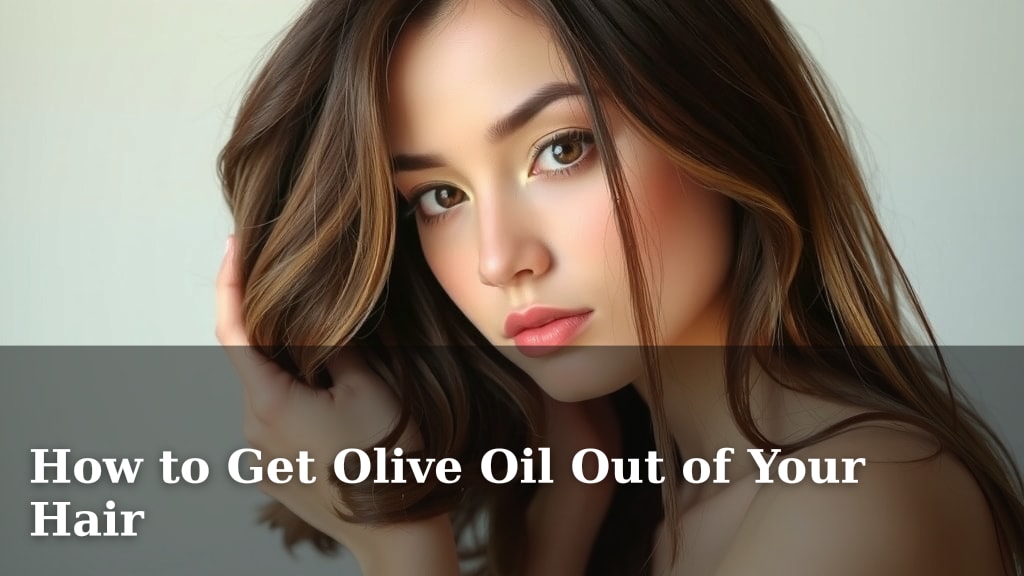
Got a little too much olive oil in your hair? Don’t panic! The quickest way to get olive oil out of your hair is to apply a degreasing shampoo or a dish soap, lather it well, and then rinse thoroughly. You might need to repeat this process a couple of times to remove all the oil. It’s a common kitchen mishap that’s surprisingly easy to fix.
We’ve all been there, maybe trying a DIY hair mask or just having an oily spill. Olive oil is great for cooking, but on your hair, it can feel like a greasy mess. Luckily, removing it doesn’t require a trip to the salon. Many common household items can help restore your hair to its natural shine without leaving it looking slick.
- Use a degreasing shampoo or dish soap.
- Lather well and rinse multiple times.
- Consider a baking soda paste for stubborn oil.
- A final rinse with diluted apple cider vinegar can help.
- Be patient; it might take a few tries.
Below, we’ll walk you through a few effective methods for banishing that leftover olive oil from your locks, so you can get back to feeling fresh and clean.
“`htmlWashing Out That Pesky Olive Oil From Your Hair
So, you’ve ended up with a bit more olive oil in your hair than you intended. Perhaps it was a DIY hair mask that went a little wild, or maybe a cooking mishap. Whatever the reason, dealing with oily hair can feel like a sticky situation. Fortunately, you don’t need a salon appointment to fix it. There are simple, effective methods using common household items to get your hair back to feeling clean and looking its best.
The goal is to break down and lift the oil without stripping your hair completely. We’ll guide you through the best approaches to tackle this common kitchen-related hair challenge. Let’s get your locks looking luscious, not greasy!
Your Go-To Solution: A Good Wash
The most direct way to remove excess olive oil from your hair is through a thorough washing. This might sound obvious, but the type of shampoo and the washing technique make a big difference. You’re not just rinsing; you’re actively working to lift and remove the oil.
Choosing the Right Shampoo
When your hair feels like a slip-and-slide, you need something stronger than your everyday shampoo. Look for shampoos that are specifically designed to be clarifying or degreasing. These formulas contain stronger cleansing agents that can cut through heavy oils more effectively. Think of it like using a heavy-duty cleaner for a tough grease stain on your favorite shirt. Many dermatologists suggest that people with oily hair types can benefit from using clarifying shampoos once a week or as needed (American Academy of Dermatology Association).
If you don’t have a clarifying shampoo on hand, don’t worry! Sometimes, a good old-fashioned dish soap can be your hero. Yes, dish soap! It’s formulated to cut through grease on dishes, and it works wonders on hair, too. Just be sure to use it sparingly, as it is quite potent. A small amount is usually all you need.
The Washing Technique Matters
Here’s how to maximize your washing efforts:
- Start with dry hair: Some people find that applying shampoo to dry hair first helps lift the oil before water dilutes the shampoo. Let the shampoo sit for a minute or two.
- Lather generously: Really work the shampoo into your scalp and hair. Use the balls of your fingertips to massage it in, focusing on areas that feel the oiliest.
- Rinse thoroughly: Make sure you rinse out every last bit of shampoo. Water that’s a bit warmer than usual can help open up your hair cuticles and release more oil.
- Repeat if necessary: For stubborn oil, you might need to shampoo a second time. Don’t be afraid to go for a third round if your hair still feels slick.
When Shampoo Isn’t Quite Enough: Extra Help
Sometimes, even a double shampoo isn’t enough to completely rescue your hair from a serious olive oil situation. If you’re still finding your hair a bit too greasy, there are other household remedies that can lend a hand. These methods work by absorbing or breaking down the remaining oil.
The Baking Soda Paste Method
Baking soda is a fantastic natural deodorizer and a mild abrasive, making it great for absorbing excess oil. Many sources suggest it’s a safe ingredient for hair when used properly (National Institutes of Health).
To create a baking soda paste:
- Mix about 1-2 tablespoons of baking soda with a small amount of water.
- You want to create a paste, not a watery solution.
- Apply this paste to your damp hair, focusing on the areas that are still oily.
- Let it sit for about 5-10 minutes.
- Rinse your hair thoroughly. You’ll likely need to follow up with a regular shampoo and conditioner to remove any baking soda residue and to restore moisture.
The Apple Cider Vinegar Rinse
Apple cider vinegar (ACV) is a bit of a miracle worker for hair. It helps to clarify, add shine, and balance your scalp’s pH. After washing out the oil, an ACV rinse can help remove any lingering residue and restore your hair’s natural balance (Cleveland Clinic).
Here’s how to do it:
- Mix one part apple cider vinegar with four parts water.
- After you’ve shampooed and rinsed, pour this mixture over your hair.
- Let it sit for a minute or two.
- Rinse your hair thoroughly with cool water. The cool water helps to seal the hair cuticle, leaving your hair smooth and shiny.
Don’t worry about the vinegar smell; it dissipates as your hair dries. You might find your hair feels surprisingly soft and clean after this step.
Quick Checklist for Olive Oil Removal
Got your hair looking like a salad dressing experiment? Here’s a quick to-do list to get it back to normal:
- Assess the greasiness. Is it just a little slick or a full-on oil slick?
- Grab a degreasing shampoo or dish soap.
- Lather and rinse, possibly multiple times.
- Try a baking soda paste for stubborn spots.
- Finish with an ACV rinse to restore balance.
- Be patient – it might take a couple of attempts.
What to Avoid When Dealing with Oily Hair
While you’re in the process of tackling that olive oil, there are a few things you should steer clear of. These can actually make the problem worse or damage your hair.
Over-Washing with Harsh Soaps
While dish soap is effective, using it every day can strip your hair of its natural oils, leading to dryness and brittleness. Many hair experts advise against using dish soap more than once or twice when dealing with heavy oil buildup (National Institutes of Health).
Skipping Conditioner Entirely
After using strong cleansers, your hair might feel stripped. While you don’t want to add more oil, a light conditioner applied only to the ends can help restore moisture and prevent your hair from becoming dry and frizzy. Focus on the mid-lengths and ends, avoiding your scalp.
Using Heat Styling Tools Immediately
Your hair is already working hard to get clean. Applying direct heat from a blow dryer on high heat, a straightener, or curling iron can further dry out your hair or even cause damage. Let your hair air dry as much as possible, or use a low heat setting if you must use a dryer.
A Note on DIY Hair Masks
Olive oil is a popular ingredient in DIY hair masks because it’s moisturizing. However, it’s easy to use too much. If you’re planning to use it in the future, remember that a little goes a long way. For a standard shoulder-length hair mask, 1-2 tablespoons of oil is usually sufficient. Applying too much can lead to the very situation you’re trying to fix now!
“`Conclusion
So, you’ve got a bit of an olive oil situation in your hair. Don’t let it stress you out! We’ve covered the most effective ways to tackle that greasiness, from using a strong shampoo or even dish soap to trying out a baking soda paste or an apple cider vinegar rinse for extra help. Remember, the key is to break down the oil gently. With a little patience and the right method, you’ll have your hair feeling clean and looking its best again in no time. Your next step? Grab that clarifying shampoo or dish soap and get washing!
Frequently Asked Questions
How often can I use dish soap on my hair?
You should use dish soap sparingly, perhaps only once or twice for significant oil buildup. Overuse can strip your hair of natural oils, leading to dryness and damage. Stick to clarifying shampoos for regular deep cleaning.
Will the apple cider vinegar smell linger in my hair?
The vinegar scent is quite potent in the rinse, but it dissipates completely as your hair dries. You’ll be left with soft, balanced hair without any lingering odor.
Can I use olive oil as a hair mask without risking greasiness?
Yes, you can! When using olive oil for a hair mask, moderation is key. For shoulder-length hair, 1-2 tablespoons is usually enough. Apply evenly and ensure you rinse thoroughly afterwards.
What if my hair still feels a bit oily after washing multiple times?
If you’re still dealing with residue, try the baking soda paste method as described in the article. This can help absorb stubborn oil. Follow up with a regular shampoo and conditioner to restore moisture.
Should I avoid conditioner after washing out olive oil?
Not necessarily. While you don’t want to add more oil, a light conditioner applied only to the ends can help rehydrate your hair after using strong cleansers. Just avoid your scalp and roots.

![7 Best Grocery Store Olive Oil For Cooking [2026]](https://bestpureessentialoils.com/wp-content/uploads/2026/08/7-best-grocery-store-olive-oil-for-cooking-2026-featured-768x432.jpg)