How Do Italians Eat Bread and Olive Oil?
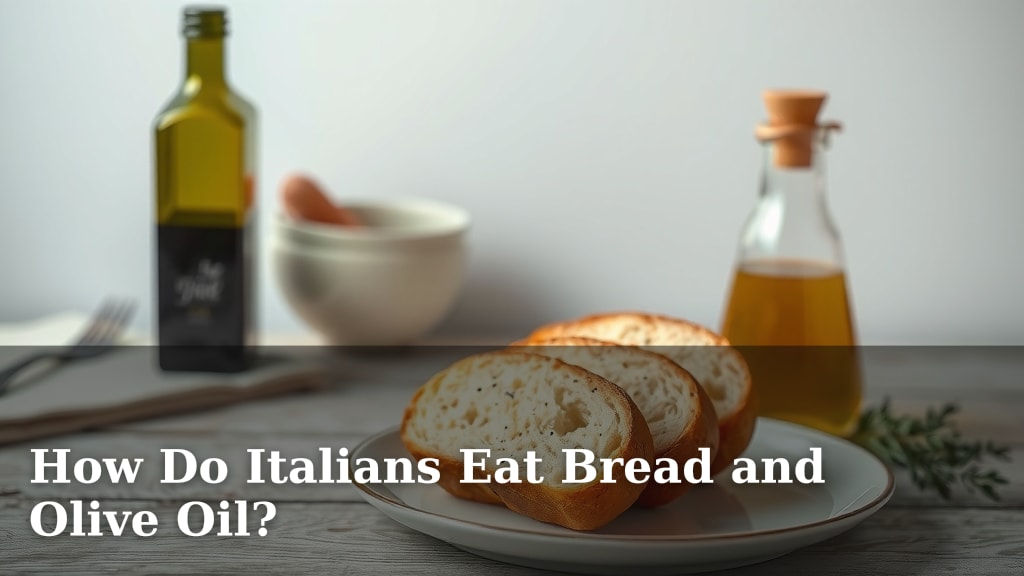
Italians enjoy bread and olive oil in simple, yet delightful ways. Often, they use it as a base for appetizers or as a flavorful dip for soups and salads. It’s a common practice to enjoy crusty bread dipped in high-quality olive oil, sometimes with a sprinkle of salt and pepper. This humble pairing is a true staple of Italian cuisine, focusing on fresh ingredients and straightforward preparation.
Beyond just dipping, Italians might use this combination to add richness to their meals. Olive oil can be drizzled over cooked vegetables or pasta dishes. Bread, soaked in olive oil, can become part of a delicious base for bruschetta. We found that this pairing highlights the natural flavors of both bread and oil, creating a satisfying experience with minimal fuss.
- Bread and olive oil are often eaten as an appetizer.
- It’s used as a dip for soups and salads.
- High-quality olive oil is key to the flavor.
- It can also be drizzled over dishes for added richness.
Let’s dive into the delicious details of how Italians traditionally savor bread and olive oil. We’ll cover everything from the types of bread used to the best olive oils for dipping.
Savoring Bread and Olive Oil the Italian Way
You might be wondering how Italians take their beloved bread and olive oil. It’s a simple pleasure, really. They often enjoy it as a delightful appetizer before a meal. This humble pairing highlights the quality of the ingredients. You’ll find it served in homes and trattorias across Italy.
The focus is always on the freshness and flavor. Italians have a deep appreciation for good food. Bread and olive oil are no exception to this rule. It’s a practice rooted in tradition and a love for delicious, unpretentious eating.
Choosing the Right Bread: The Foundation of Flavor
The type of bread you use matters a great deal. Italians often opt for rustic, crusty loaves. Think of a good sourdough or a country-style boule. These breads have a sturdy crust and a chewy interior. This texture is perfect for dipping. It holds up well without becoming too soggy too quickly. Many Italian households bake their own bread. This ensures maximum freshness. Others buy from local bakeries, known for their traditional methods.
Rustic Loaves: The Go-To Choice
You’ll commonly see a large, round loaf with a thick, golden-brown crust. It’s often made with simple ingredients: flour, water, yeast, and salt. The long fermentation process gives these breads a wonderful depth of flavor. This flavor profile pairs beautifully with olive oil. It’s the foundation of a truly satisfying bite.
Regional Variations
While crusty loaves are popular, regional differences exist. In some areas, you might find focaccia. This is a flat, oven-baked Italian bread. It’s often seasoned with herbs and salt. Focaccia is delicious on its own, but it also works well with a drizzle of olive oil. Some regions might use slightly different flour blends. This can affect the bread’s texture and taste. Research shows that traditional baking methods are often passed down through generations (NCBI).
The Star of the Show: High-Quality Olive Oil
For Italians, the olive oil is just as important as the bread. They wouldn’t dream of using just any oil. They seek out extra virgin olive oil. This is the highest grade of olive oil. It’s made from the first pressing of olives. It has a distinct flavor and aroma. Good extra virgin olive oil can be fruity, peppery, or even slightly bitter. These complex notes add another layer of taste to the simple bread.
Extra Virgin is Key
Why extra virgin? It’s all about flavor and health benefits. Extra virgin olive oil contains a high level of antioxidants. These healthy fats are good for your heart. Many health organizations recommend its use (Cleveland Clinic). But beyond health, the taste is unparalleled. It’s the best choice for dipping. You can taste the sunshine and the olives in every drop.
Exploring Different Oils
Just like wine, olive oils vary. You can find oils from different regions of Italy. Tuscany is famous for its robust, peppery oils. Liguria produces lighter, more delicate oils. Sicily offers a range of intense flavors. Experimenting with different oils is part of the fun. You can find what suits your personal taste best. What one person loves, another might find too strong. It’s a very personal choice.
| Oil Style | Flavor Profile | Best For |
|---|---|---|
| Robust & Peppery | Intense, grassy, with a peppery finish. | Bold flavors, dipping hearty breads. |
| Fruity & Mild | Smooth, with notes of fruit and a slight sweetness. | Lighter breads, drizzling over fish or vegetables. |
| Herbaceous | Aromatic, with hints of herbs like basil or rosemary. | Bruschetta, dipping crusty bread. |
How Italians Actually Eat It: More Than Just Dipping
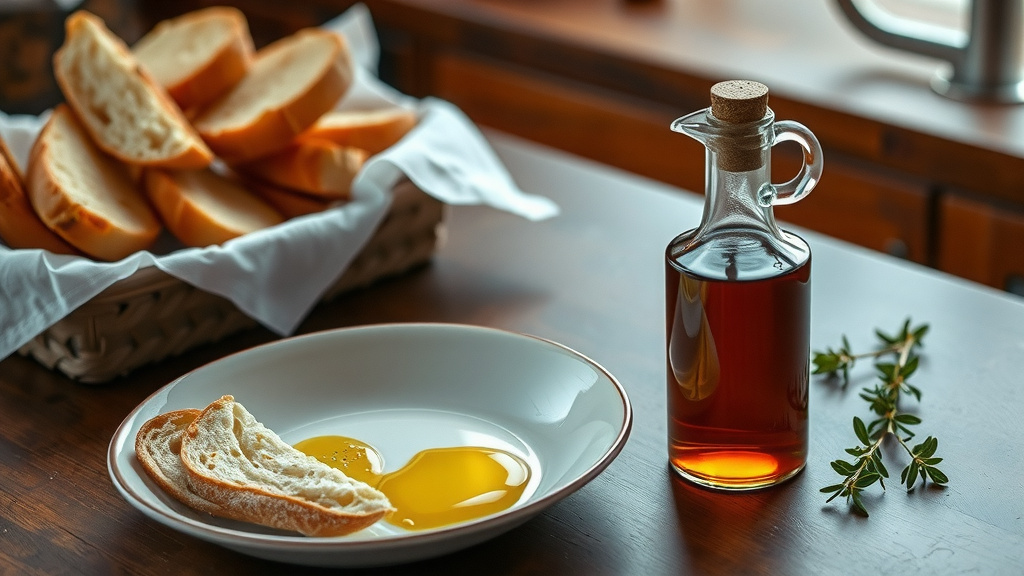
So, how do you put this perfect pairing to use? It’s often served as a simple appetizer, or antipasto. A small dish of high-quality olive oil is placed on the table. Alongside it is a basket of fresh, crusty bread. People tear off a piece of bread and dip it into the oil. Sometimes, a pinch of salt and pepper is added. This is a moment of quiet enjoyment before the main meal.
The Art of the Dip
You don’t just dunk the whole slice. Italians often tear off a manageable piece of bread. Then, they dip just one corner or edge into the oil. This allows for controlled flavor. You can dip it again if you like. It’s about savoring each bite. It’s a mindful way to start a meal. This simple act brings people together.
Beyond the Appetizer: Everyday Uses
Bread and olive oil aren’t just for starters. They play a role throughout the meal. A drizzle of olive oil can brighten up leftover pasta or roasted vegetables. It adds a lovely richness. Many Italians will sop up the last bits of sauce from their plate with a piece of bread. This is called “fare la scarpetta.” It means “to make a little shoe.” It’s a sign of a delicious meal. It also shows respect for the food and the cook.
Adding Flavor to Soups and Salads
Ever had a hearty vegetable soup? Italians might add a piece of bread, perhaps toasted, to their bowl. The bread soaks up the flavorful broth. A drizzle of olive oil on top adds another dimension. Similarly, a salad can be made more satisfying with some crusty bread. You can use it to scoop up dressing. Or, tear it into small pieces and toss it in. We found this technique makes salads feel more like a complete meal.
Tips for Enjoying Bread and Olive Oil Like an Italian
Want to recreate this experience at home? It’s easier than you think. The key is to focus on quality. Start with a really good loaf of bread. Look for artisanal bakeries. If you can’t find a good crusty loaf, a ciabatta or a baguette can work in a pinch. Just ensure it’s fresh. A stale loaf won’t give you the right texture.
Then, invest in a good extra virgin olive oil. You don’t need the most expensive bottle. But choose one that tastes good to you. Read the labels. Look for “cold-pressed” and “extra virgin.” Taste it on its own. Does it have a pleasant flavor? Does it have a slight peppery finish? That’s a good sign.
Creating Your Own Italian Moment
Here’s a simple checklist to get you started:
- Select a crusty, fresh loaf of bread.
- Choose a high-quality extra virgin olive oil.
- Serve the olive oil in a small, shallow dish.
- Optionally, add a pinch of sea salt and freshly ground black pepper.
- Tear off a piece of bread, dip, and savor.
- Enjoy it as an appetizer or alongside your meal.
Don’t be afraid to experiment. You can add a clove of garlic to the olive oil for a short time to infuse it. Or, add a pinch of red pepper flakes for a little heat. Some people add a sprinkle of dried herbs like oregano or rosemary. These small additions can create unique flavor profiles. Many home cooks have their own family secrets for preparing this simple dish.
Conclusion
You’ve learned that enjoying bread and olive oil the Italian way is about appreciating simple, high-quality ingredients. It’s a practice that honors tradition and natural flavors. You can recreate this delightful experience at home by choosing a good crusty bread and a flavorful extra virgin olive oil. Don’t just limit it to an appetizer; consider how you can incorporate this pairing into your everyday meals. Start by setting aside a moment tonight to tear off a piece of good bread, dip it in quality olive oil, and savor the pure taste. You’ve got this!
Frequently Asked Questions
What kind of bread do Italians use for dipping in olive oil?
Italians typically favor rustic, crusty loaves for dipping. Think of hearty sourdough or country-style breads with a thick crust and a chewy interior. These breads hold up well to dipping without becoming overly soggy.
Is there a specific type of olive oil Italians prefer for this?
Absolutely. Italians almost always use extra virgin olive oil for dipping. This high-quality oil has a distinct flavor and aroma, offering a fruity, peppery, or sometimes slightly bitter taste that complements the bread beautifully.
Can I add anything to the olive oil for more flavor?
You can! While simple is often best, some Italians infuse their olive oil. You might briefly add a clove of garlic, a pinch of red pepper flakes for heat, or a sprinkle of dried herbs like oregano to the oil before dipping.
How much bread and oil do Italians typically serve?
It’s usually served as an appetizer (antipasto). A small dish of olive oil is placed alongside a basket of fresh bread. People tear off pieces of bread to dip, controlling the amount of oil with each bite.
Is “fare la scarpetta” common when eating bread and olive oil?
“Fare la scarpetta” means using bread to sop up the last bits of sauce. While not directly related to dipping bread in olive oil as an appetizer, Italians certainly use bread with olive oil to finish sauces on their plates after a meal.

![7 Best Commercial Olive Oil [2026]](https://bestpureessentialoils.com/wp-content/uploads/2026/06/7-best-commercial-olive-oil-2026-featured-768x432.jpg)
![7 Best Foods Mayonnaise With Olive Oil Review [2026]](https://bestpureessentialoils.com/wp-content/uploads/2026/08/7-best-foods-mayonnaise-with-olive-oil-review-2026-featured-768x432.jpg)
![7 Best Olive Oil Of The World [2026]](https://bestpureessentialoils.com/wp-content/uploads/2026/07/7-best-olive-oil-of-the-world-2026-featured-768x432.jpg)