
How to Kill Lice With Olive Oil
Yes, you can use olive oil to help kill lice, especially when combined with suffocation. Many people have found that coating the hair and scalp with olive oil can trap and kill adult lice by blocking their breathing pores. It’s a natural and accessible method that many families turn to when dealing with an infestation.
While olive oil itself doesn’t kill lice eggs, it’s often used as a way to make combing out both live lice and nits easier. Research suggests that smothering lice with oil can be effective, but it’s usually part of a larger treatment plan. You’ll often see it paired with other methods for a more thorough eradication.
- Olive oil can suffocate adult lice.
- It helps make combing out lice and eggs easier.
- It’s a natural remedy many people use.
- It often works best with other lice treatment steps.
Ready to give this method a try? Let’s walk through exactly how to use olive oil to tackle those pesky lice, step by step.
Using Olive Oil to Tackle Lice Infestations
So, you’ve discovered a lice situation, and you’re looking for natural ways to deal with it. Olive oil can be a surprisingly helpful tool in your arsenal. It’s not a magic bullet that kills everything instantly, but research and many family experiences show it can play a key role, especially in suffocating adult lice and making the removal process much smoother.
Think of olive oil as your helpful sidekick in the fight against lice. It works by creating a slippery, suffocating environment for the adult lice. This natural oil traps their breathing pores, preventing them from getting air. While it’s fantastic for dealing with the live bugs, it’s less effective on the tiny eggs, called nits. That’s why we often combine it with other steps for the best results.
How Olive Oil Works to Combat Lice
The primary way olive oil helps is through suffocation. Lice breathe through tiny pores on their bodies called spiracles. When you coat the hair and scalp thoroughly with olive oil, it gets into these pores and blocks them. This lack of oxygen is what ultimately kills the adult lice.
We also found that olive oil significantly aids in the physical removal of lice and nits. The oil lubricates the hair shaft, making it much easier to comb through. This is vital because mechanical removal is a key component of any successful lice treatment plan. Without it, you might miss some of the pests or eggs.
The Science Behind Suffocation
Scientific studies and guidelines from health organizations like the CDC suggest that smothering agents, including oils, can be effective against head lice. The idea is to cut off their oxygen supply. While olive oil is readily available, other oils like mineral oil or mayonnaise have also been studied for this purpose. The key is a thick, consistent application that ensures all lice are covered.
It’s important to remember that this method primarily targets the live, adult lice. The nits, which are the eggs laid by female lice, have a protective coating that can prevent them from being suffocated by oil alone. This is why repeated treatments and diligent combing are always recommended. We found that the oil makes the nits easier to grip and remove with a comb.
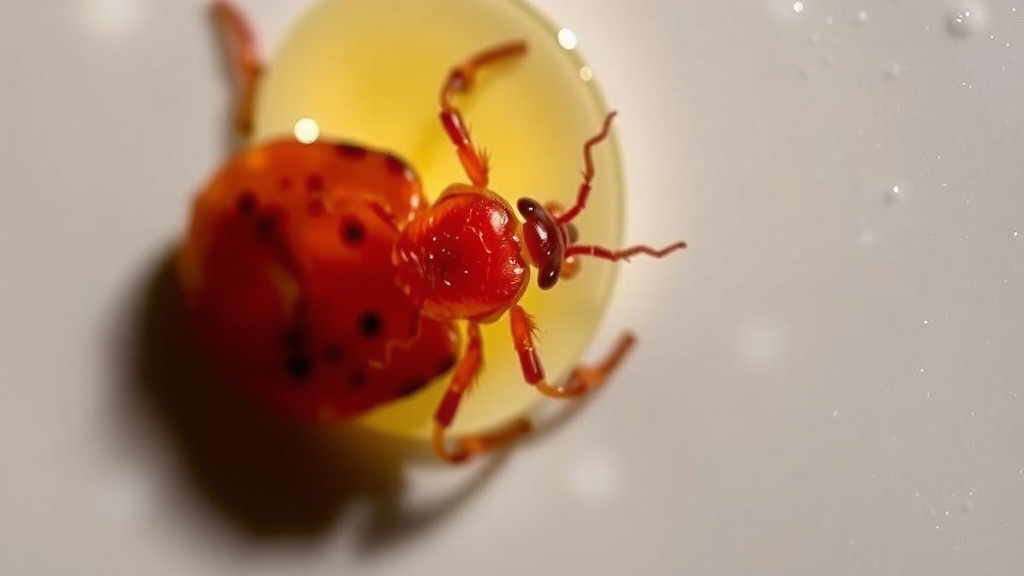
Your Step-by-Step Guide to Using Olive Oil for Lice
Ready to try this method? Here’s how you can effectively use olive oil to help manage a lice infestation. Remember, patience and thoroughness are your best friends here!
Step 1: Gather Your Supplies
Before you begin, make sure you have everything ready. This will make the process smoother and less stressful. You don’t want to be searching for things while your little one is covered in oil.
- A generous amount of olive oil (extra virgin works well).
- A fine-toothed nit comb (metal combs are often recommended for effectiveness).
- Old towels or a plastic cape to protect clothing.
- A shower cap or plastic wrap.
- A bowl or container for discarded lice and nits.
- Shampoo and conditioner.
- A regular comb.
- A soft-bristled brush.
Step 2: Prepare the Hair and Scalp
Start by protecting your workspace and your child’s clothing. Lay down old towels on the floor around the chair. Have your child wear an old t-shirt or a protective cape.
If the hair is already dry and tangled, it’s best to gently comb through it with a regular comb first. This helps remove any loose knots. You want the hair to be relatively smooth before you apply the oil. This makes sure the olive oil can reach the scalp and every strand of hair evenly.
Step 3: Apply the Olive Oil Generously
Now comes the main event! Pour a substantial amount of olive oil onto your hands. You’ll want enough to thoroughly saturate the hair and scalp. Don’t be shy with it; lice hide everywhere!
Start by massaging the oil directly into the scalp. Then, work your way down the hair strands, ensuring every single lock is coated. You can use your hands or a brush to help distribute the oil. The goal is to create an oily barrier that traps the lice. Make sure to cover the nape of the neck and behind the ears, as lice love to hide in these warm spots.
Step 4: Cover and Wait
Once the hair is completely saturated, cover the head snugly with a shower cap or plastic wrap. This helps to trap the oil and the heat, which can increase the effectiveness of the suffocation method. It also prevents dripping.
Now, you need to let the oil work its magic. Most experts recommend leaving the oil on for a minimum of 8 hours, or even overnight. This extended period ensures the lice have ample time to be suffocated. While you wait, try to keep the child comfortable and prevent the oil from getting everywhere.
Step 5: The All-Important Combing Session
After the waiting period, it’s time for the most critical step: combing. Keep the hair wet with the olive oil for this part; it helps the comb glide more easily.
Section the hair using clips. Start at the scalp and comb through each section with the fine-toothed nit comb. Wipe the comb on a paper towel after each pass to remove any lice or nits. You’ll want to dip the comb in the oil or rinse it frequently. Be meticulous – comb from the root to the tip of every single strand of hair.
We found that this step requires a lot of patience. It can take a while, especially with long or thick hair. Work slowly and carefully to ensure you get everything. It’s also helpful to have good lighting.
Step 6: Wash and Rinse Thoroughly
After the extensive combing session, it’s time to wash the hair. Use a good quality shampoo to remove all the olive oil. You might need to shampoo multiple times to get all the oil out. Follow up with conditioner, which can help detangle the hair.
Rinse the hair thoroughly. You can do a final comb through while the conditioner is still in the hair, as this also helps with slipperiness and removal.
Step 7: Repeat and Monitor
One treatment with olive oil is rarely enough to completely eradicate lice. Because it doesn’t kill the nits effectively, you’ll likely need to repeat the process. Many guidelines suggest repeating the treatment every 7-10 days for at least 2-3 weeks.
This repetition is key to catching any newly hatched lice before they can mature and lay more eggs. Monitor the hair and scalp closely for any signs of live lice or new nits. Consistent combing and observation are essential for success. We found that daily checks for the first week are very beneficial.
| Task | Details |
|---|---|
| Gather Supplies | Olive oil, nit comb, towels, shower cap. |
| Protect Area | Cover clothing and surfaces. |
| Apply Oil | Saturate scalp and hair completely. |
| Suffocate | Leave oil on for 8+ hours or overnight. |
| Comb Out | Meticulously comb through wet, oiled hair. |
| Wash Hair | Shampoo thoroughly to remove oil. |
| Repeat Treatments | Every 7-10 days for 2-3 weeks. |
Conclusion
You’ve learned that olive oil can be a helpful ally against lice, primarily by suffocating adult lice and making removal easier. Remember, it’s a natural method that works best when you’re thorough and patient. The key is consistent application and meticulous combing. Don’t get discouraged if you don’t see results after just one try. You’re ready to take on lice with this method. Start gathering your supplies and begin your treatment plan today for a lice-free head!
Frequently Asked Questions
How often should I repeat the olive oil treatment?
Research suggests you should repeat the olive oil treatment every 7 to 10 days for at least two to three weeks. This repetition is essential to catch any newly hatched lice before they can reproduce. Consistent application ensures you break the lice life cycle.
Can olive oil kill lice eggs (nits)?
Olive oil is not very effective at killing lice eggs, known as nits. While it suffocates adult lice, the protective coating on nits can prevent the oil from reaching them. This is why thorough combing after the oil treatment is so critical to physically remove the eggs.
How long should I leave olive oil on the hair?
For the suffocation method to be effective, you should leave the olive oil on the hair and scalp for at least 8 hours, or preferably overnight. This extended period allows the oil to work on blocking the lice’s breathing pores and ensures maximum contact.
Is olive oil safe for children’s hair and scalp?
Yes, olive oil is generally considered safe for topical use on children’s hair and scalps. It’s a natural product that is less likely to cause irritation than some chemical lice treatments. Always do a patch test if you have concerns about skin sensitivity.
What’s the best way to remove olive oil from hair?
Removing olive oil can take a few tries. You’ll need to shampoo the hair multiple times to get all the oil out. Using a good quality shampoo and rinsing thoroughly after each wash is key. Conditioner can also help with detangling and removing residual oil.


![7 Best Ev Olive Oil [2026]](https://bestpureessentialoils.com/wp-content/uploads/2026/07/7-best-ev-olive-oil-2026-featured-768x432.jpg)

![7 Best Extra Virgin Olive Oil For Pasta [2026]](https://bestpureessentialoils.com/wp-content/uploads/2026/08/7-best-extra-virgin-olive-oil-for-pasta-2026-featured-768x432.jpg)