How to Know When Olive Oil Is Hot Enough
You’ll know your olive oil is hot enough when it starts to shimmer slightly and you see the first wisps of smoke. This usually happens around 350-375°F (175-190°C), which is the ideal temperature for many cooking tasks like sautéing or pan-frying. Don’t let it get too hot, or it will smoke excessively and burn your food.
Getting the oil to the right temperature is key for successful cooking. Too cool, and your food will absorb too much oil, becoming greasy. Too hot, and the outside of your food can burn before the inside is cooked. We found that watching for those subtle visual cues is often more helpful than relying solely on a timer. It’s all about finding that perfect cooking sweet spot.
- Watch for a slight shimmer.
- Look for tiny wisps of smoke.
- Avoid heavy smoke, which means it’s too hot.
- This temperature range is good for sautéing and pan-frying.
Ready to master your oil temperatures? Let’s walk through exactly how to tell when your olive oil is perfectly heated for whatever delicious dish you’re whipping up.
Figuring Out When Your Olive Oil Is Ready to Cook
You’ve got your ingredients prepped and your pan ready. Now comes a moment that can make or break your dish: heating the olive oil. Getting it just right is a delicate dance. We found that paying attention to subtle visual cues is your best bet. It’s like listening to your food; it’ll tell you when it’s ready.
The Shimmer: Your First Signal
Before you even think about smoke, look for a slight shimmer. Pour your olive oil into the pan over medium heat. As it warms up, you’ll notice the oil’s surface changing. It will start to look more fluid and, well, shimmery. This tells you the oil is getting hot.
Think of it like water on a hot sidewalk. On a cool day, water just sits there. But when the pavement is hot, the water evaporates quickly and creates a wavy look. Olive oil does something similar in your pan. This shimmer means the oil molecules are excited and ready for action.
What the Shimmer Really Means
This visual cue indicates that the oil is approaching its smoke point. Many cooking tasks require oil to be around 350°F (175°C) to 375°F (190°C). The shimmer usually appears just before it reaches that temperature range.
The Whisps of Smoke: A Clear Indicator
If you see tiny, delicate wisps of smoke rising from the pan, your oil is officially hot enough. This is the sweet spot for many cooking methods. Many culinary experts agree that this is a reliable sign. It means the oil is hot and ready to sear or sauté your food beautifully.
Too Much Smoke? You’ve Gone Too Far
It’s important to distinguish between a gentle wisp and a thick, billowing cloud of smoke. If your pan is filled with heavy smoke, the oil is too hot. This is where things can go wrong quickly. The oil has reached or passed its smoke point.
The Dangers of Overheated Oil
When oil gets too hot, it not only smokes excessively but also starts to break down. This process, called overheating, can create unpleasant flavors and even harmful compounds. Research from institutions like the National Center for Biotechnology Information (NCBI) suggests that consuming overheated oils can be detrimental to health.
If you see heavy smoke, turn down the heat immediately. You might even need to remove the pan from the heat for a moment to let it cool. Then, you can try heating it again more slowly.
The Food Test: A Simple Approach
Don’t have a thermometer handy? No problem. You can use your food to test the oil temperature. This is a common technique used by home cooks and professionals alike. It’s a practical way to gauge readiness.
Testing with a Wooden Spoon
One popular method is to use a wooden spoon. Dip the end of a clean, dry wooden spoon into the oil. If small, steady bubbles form around the spoon immediately, your oil is likely hot enough. These bubbles indicate that the oil is vigorously interacting with the moisture in the wood. This is a good sign for cooking.
Testing with a Pinch of Flour or Breadcrumbs
Another trick involves a tiny pinch of flour or a few breadcrumbs. Carefully sprinkle a small amount into the oil. If it sizzles and floats to the top, the oil is ready. If it sinks to the bottom or burns quickly, the oil is not hot enough or is too hot, respectively.
Understanding Oil Smoke Points
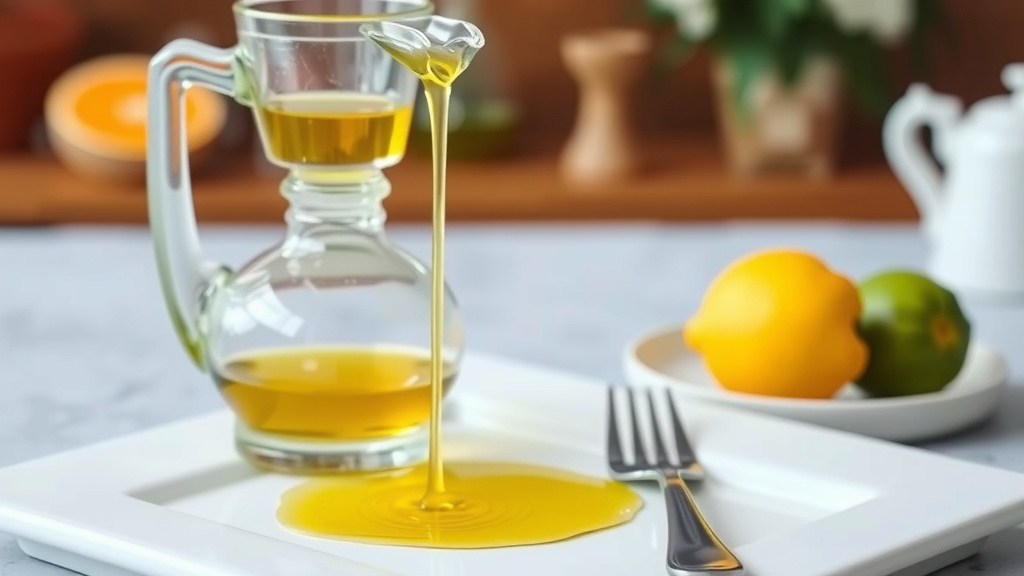
Different types of olive oil have different smoke points. This affects how hot you can get them before they start to smoke excessively. Extra virgin olive oil (EVOO) has a lower smoke point than regular or light olive oil. Many sources, including culinary guides, recommend specific oils for specific cooking methods based on their smoke points.
Extra Virgin Olive Oil (EVOO)
EVOO is flavorful but generally has a lower smoke point, typically around 375°F (190°C) to 405°F (207°C). It’s wonderful for dressings, finishing dishes, or gentle sautéing where high heat isn’t required for long. Cooking with EVOO at its smoke point can make it bitter and reduce its beneficial compounds.
Regular or Light Olive Oil
These types of olive oil have been refined, which raises their smoke point. Regular olive oil can typically withstand temperatures up to 400°F (204°C), and light olive oil can go even higher, around 465°F (240°C). This makes them a better choice for high-heat cooking methods like pan-frying or roasting.
When to Use Which Type of Olive Oil
Choosing the right olive oil for the job is key. Here’s a quick guide:
| Cooking Method | Recommended Olive Oil Type | Ideal Temperature Range |
|---|---|---|
| Salad Dressings, Drizzling | Extra Virgin Olive Oil (EVOO) | Room Temperature |
| Gentle Sautéing, Low-Heat Roasting | Extra Virgin Olive Oil (EVOO) | 325°F – 375°F (160°C – 190°C) |
| Pan-Frying, Medium-High Heat Sautéing | Regular or Light Olive Oil | 375°F – 425°F (190°C – 220°C) |
| High-Heat Roasting, Deep Frying | Light Olive Oil or Pomace Oil | 400°F+ (204°C+) |
Quick Checklist for Perfect Oil Heat
Keep these tips in mind for your next cooking adventure:
- Start with medium heat.
- Watch for the oil to shimmer.
- Look for tiny wisps of smoke.
- Test with a wooden spoon or pinch of flour if unsure.
- Avoid heavy smoke, which means it’s too hot.
- Match the oil type to your cooking method.
Conclusion
You’ve now got the skills to confidently know when your olive oil is perfectly heated. Remember, the key indicators are that slight shimmer and those first wisps of smoke. These visual cues are your best friends in the kitchen, preventing your food from becoming greasy or burnt. By paying attention to these signals and choosing the right oil for your cooking method, you’re well on your way to consistently delicious results. Next time you heat your pan, trust your eyes and the oil will guide you to cooking success.
Frequently Asked Questions
How can I tell if olive oil is hot enough without a thermometer?
You can tell your olive oil is hot enough by watching for a slight shimmer on its surface. Additionally, look for delicate, wispy trails of smoke rising from the pan. These are reliable visual indicators that your oil has reached the optimal temperature for cooking.
What happens if my olive oil starts smoking heavily?
If your olive oil is producing a lot of thick smoke, it’s too hot. This means the oil has reached or passed its smoke point, and it can break down, imparting a burnt flavor to your food and potentially creating unhealthy compounds. Turn down the heat immediately.
Can I use extra virgin olive oil for high-heat frying?
It’s generally not recommended to use extra virgin olive oil (EVOO) for high-heat frying. EVOO has a lower smoke point and can burn quickly, affecting its flavor and beneficial properties. Opt for regular or light olive oil for such applications.
How do I test oil temperature with a wooden spoon?
Dip the handle of a clean, dry wooden spoon into the heated oil. If small, steady bubbles immediately form around the spoon, your oil is likely hot enough for cooking. This indicates the oil is actively interacting with the moisture in the wood.
Is it bad to overheat olive oil?
Yes, overheating olive oil is not ideal for cooking or health. When oil gets too hot, it can break down, produce acrid smoke, and develop unpleasant flavors. Research suggests that consuming heavily overheated oils may not be beneficial for your well-being.

![7 Best Extra Olive Oil Brands [2026]](https://bestpureessentialoils.com/wp-content/uploads/2026/08/7-best-extra-olive-oil-brands-2026-featured-768x432.jpg)
![7 Best Olive Oil At Costco 2025 [2026]](https://bestpureessentialoils.com/wp-content/uploads/2026/09/7-best-olive-oil-at-costco-2025-2026-featured-768x432.jpg)