How to Make Olive Oil From Olives
Making your own olive oil from olives is a rewarding process. You can achieve this at home by properly crushing, malaxing, and separating the oil from the olive pulp. It requires patience and the right tools, but the result is incredibly fresh, homemade olive oil.
This ancient practice transforms simple fruit into liquid gold. You’ll be connecting with a tradition that spans thousands of years. Understanding the steps ensures you extract the purest flavor and highest quality oil possible from your olives.
- Harvest ripe olives.
- Wash and clean them thoroughly.
- Crush olives into a paste.
- Separate oil from solids and water.
- Store your fresh oil properly.
Let’s walk through exactly how you can make your own delicious olive oil step by step.
“`htmlCreating Your Own Olive Oil From Homegrown Olives
Making your own olive oil is an ancient art. It feels incredibly rewarding to turn fresh olives into your own liquid gold. You’ll be able to taste the difference. This guide will walk you through the essential steps to get started.
Harvesting and Preparing Your Olives
The journey to delicious homemade olive oil begins with the right olives. You want them to be ripe, but not too ripe. This stage is critical for flavor and oil yield. Many experts suggest harvesting when the olives start to change color, moving from green to a purplish hue.
When to Harvest
Timing is everything in olive harvesting. You’re looking for that perfect moment of ripeness. Green olives yield a more peppery, robust oil. As they ripen to a darker color, the oil becomes milder and fruitier. Too late, and the oil can become rancid or bitter.
Research from agricultural extensions often recommends checking the color and doing a taste test. A good rule of thumb is to pick a few olives and crush them between your fingers. If you get a decent amount of juice, they’re likely ready.
Washing and Cleaning
Once you’ve gathered your olives, cleaning them is the next important step. You need to remove any dirt, leaves, or twigs. This ensures that no unwanted flavors get into your oil. Think of it like washing your produce before eating it.
You can do this by rinsing the olives in cool water. Gently agitate them to loosen any debris. For stubborn dirt, a soft brush might be helpful. After washing, spread them out on clean towels to dry completely. Any excess water can dilute your oil or cause spoilage.
The Olive Oil Extraction Process
Now for the exciting part: turning those olives into oil! This process has three main stages: crushing, malaxing, and separation. Each step plays a vital role in getting the most oil out of your olives.
Crushing the Olives
The first step is to crush the olives into a paste. This breaks down the cell walls of the fruit, releasing the oil. Historically, large stone mills were used. For a home setup, you can achieve this with more modern tools.
You can use a food processor for smaller batches. Pulse the olives until they form a coarse paste. It shouldn’t be completely smooth. You want to see some texture. Avoid over-processing, as this can generate too much heat, which degrades the oil quality. Some specialized home olive oil presses also have built-in crushers.
Malaxing: The Waiting Game
Malaxing is a gentle mixing process. After crushing, the paste needs to be slowly stirred. This allows the tiny oil droplets within the paste to coalesce and form larger droplets. It’s like letting tiny water droplets in a glass merge together.
This step requires patience and controlled temperature. You should aim for a temperature between 75-85°F (24-29°C). Higher temperatures can extract more oil, but it significantly impacts the flavor and quality. Many experts advise against exceeding 85°F to preserve the beneficial compounds and aromas. Malaxing usually takes between 20 to 40 minutes.
For a home operation, you can gently stir the paste in a large bowl. If you’re using a home press, it might have a malaxing function. The key is consistent, gentle movement.
Separating the Oil from Solids and Water
This is where you finally get your oil! The olive paste contains oil, water, and solid pulp. You need to separate these components. This is typically done through a combination of pressing and filtration, or with a centrifuge for larger operations.
Pressing Method (Traditional)
In a traditional method, the olive paste is spread onto porous mats or cloths. These are then stacked and placed into a mechanical press. Pressure is applied, forcing the oil and water to trickle out. The oil and water mixture is collected, and then allowed to settle. Since oil is lighter than water, it floats to the top. You can then carefully skim off the oil.
Centrifugal Separation (Modern)
Modern home olive oil machines often use a centrifugal force to separate the oil. These machines spin the olive paste at high speeds. This forces the heavier solids and water to the outside, leaving the pure oil in the center. These are generally more efficient for home use.
Filtration
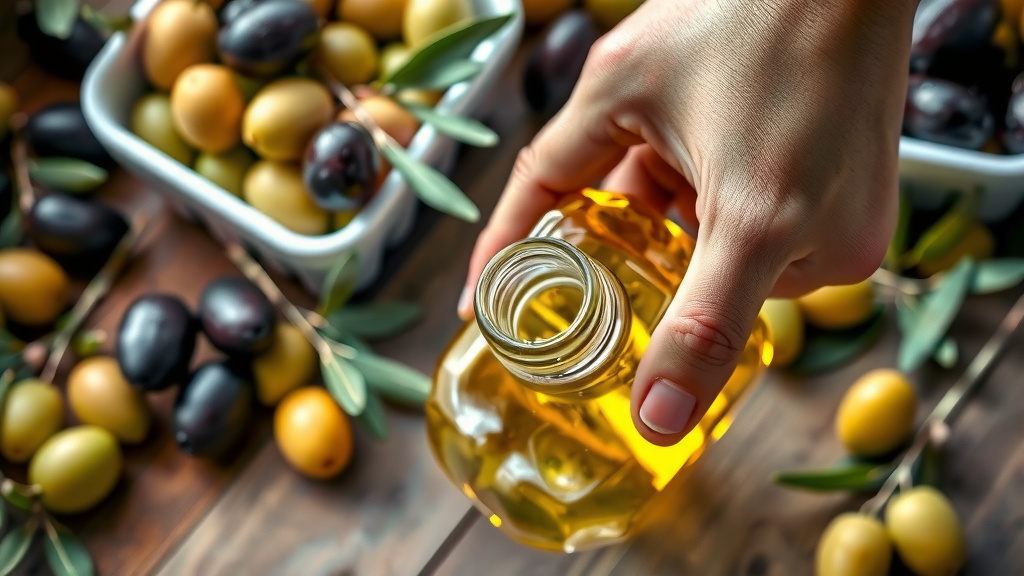
After you’ve separated the bulk of the oil, it’s often beneficial to filter it. This removes any remaining small particles or water droplets. These can cause your oil to go cloudy or spoil faster. You can use a fine-mesh sieve lined with cheesecloth for a basic filtration. For clearer oil, specialized home oil filters are available.
Storing Your Fresh Olive Oil
You’ve made your own olive oil – congratulations! Now, the trick is to keep it fresh and flavorful. Proper storage is as important as the making process.
Choosing the Right Container
Olive oil is sensitive to light, heat, and air. These factors can degrade its quality. You should store your oil in dark glass bottles or stainless steel containers. Avoid clear plastic containers, as they offer no protection from light.
Finding the Best Location
The ideal storage spot is a cool, dark place. A pantry or a dark cupboard is usually perfect. Avoid storing it near the stove or in direct sunlight. Many sources, like culinary guides, suggest that optimal storage temperatures are between 55-70°F (13-21°C).
How Long Does It Last?
Homemade olive oil is at its best when consumed relatively quickly. Typically, it can last for 6 to 12 months when stored properly. The flavor will be most vibrant in the first few months after making it. Don’t be discouraged if it doesn’t last as long as commercially bottled oil. That’s part of the charm of fresh, artisanal products!
Here’s a quick checklist to help you on your olive oil making journey:
- Harvest olives at the right ripeness.
- Wash and dry your olives thoroughly.
- Crush olives into a paste without overheating.
- Malax gently to encourage oil droplet formation.
- Separate oil from solids and water.
- Store your finished oil in dark containers.
Conclusion
You’ve now learned the essential steps to make your own olive oil at home. From selecting the perfect olives to the careful process of crushing, malaxing, and separating, you’re ready to create something truly special. Remember that patience and attention to temperature are key for the best flavor and quality. Once made, proper storage will help you enjoy your fresh, homemade oil for months to come. Your journey into artisanal olive oil production starts now – go ahead and give it a try!
Frequently Asked Questions
How many olives do I need to make a decent amount of olive oil?
The yield varies depending on the olive variety and ripeness, but typically you’ll need a substantial amount. For just a few ounces of oil, you might need several pounds of olives. It’s a labor of love, so start with a manageable batch.
Can I use any type of olive to make oil?
While you can technically make oil from most olives, some varieties are better suited for oil production than others. Look for olives specifically cultivated for their oil content, often referred to as “oil olives.” These will give you a better yield and flavor.
What’s the difference between cold-pressed and other olive oils?
Cold-pressed means the oil was extracted without excessive heat. We aimed to keep our malaxing temperature between 75-85°F (24-29°C), which is crucial for preserving the oil’s delicate flavors and beneficial compounds. Higher heat extracts more oil but damages quality.
My homemade olive oil is cloudy. Is that normal?
A bit of cloudiness is normal, especially right after separation, as there might be tiny particles or water droplets. Filtering your oil thoroughly, as mentioned in the guide, will help clarify it and extend its shelf life. If it remains persistently cloudy after filtering, let it settle further or re-filter.
How can I tell if my homemade olive oil has gone bad?
Your fresh olive oil will start to lose its vibrant aroma and flavor over time. If it smells rancid, waxy, or has a bitter aftertaste that wasn’t there before, it’s likely gone bad. Proper storage in dark bottles in a cool place will help prevent this for as long as possible.