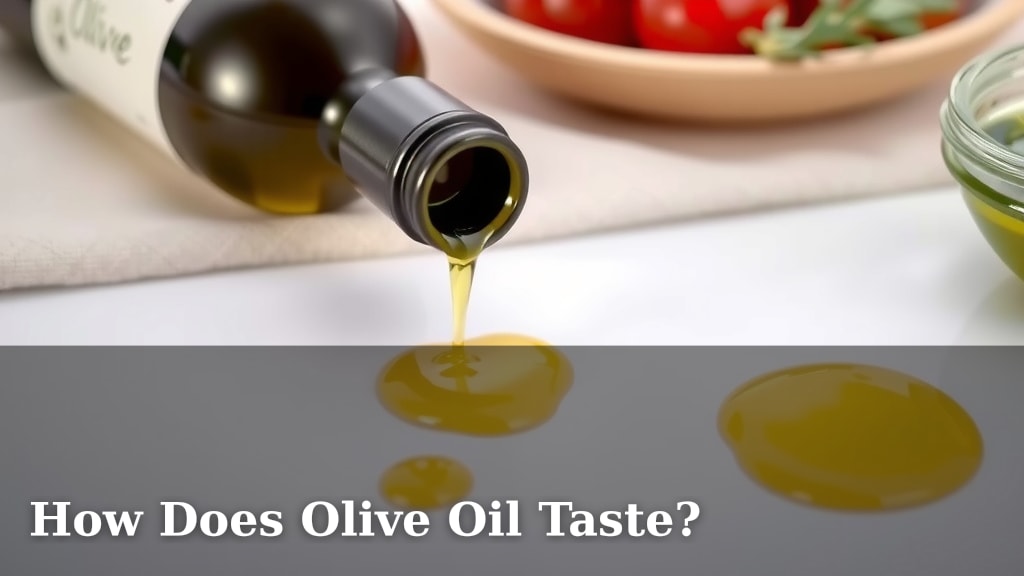
How Does Olive Oil Taste?
Olive oil doesn’t just taste like oil; it has a wide range of flavors. You might find it has a fruity, grassy, or peppery taste. Some olive oils are mild and buttery, while others are bold and intense. The flavor depends on the olives used, where they grew, and how the oil was made.
Think of olive oil like wine – different varieties offer unique taste experiences. The type of olive is a big factor. Processing methods also play a role in the final flavor profile. Understanding these differences helps you choose the best olive oil for your cooking and enjoyment.
- Olive oil tastes vary greatly.
- Flavors can be fruity, grassy, or peppery.
- Some oils are mild, others are bold.
- Olive type and processing affect taste.
- It’s like wine; different oils suit different uses.
Ready to discover what your olive oil might taste like? Let’s walk through the common flavors and what makes them unique.
“`htmlWhat Makes Olive Oil Taste Like It Does?
So, you’ve opened a bottle of olive oil and taken a whiff, or maybe even a tiny taste. What’s going on with that flavor? It’s more than just “oily,” right? The taste of olive oil is a whole sensory experience, and it’s shaped by a blend of factors.
Think of it like a fingerprint. Each olive oil has its own unique taste profile. This profile comes from the type of olives used. It also depends on where they grew. And, of course, how the oil was made plays a huge role.
The Many Flavors of Olive Oil
When you taste olive oil, you might pick up on a spectrum of flavors. It’s not just one thing. Many people describe it using terms that sound more like wine or fresh produce. You can expect a range from mild and buttery to bold and even a bit spicy.
Fruity Notes
One of the most common descriptors for olive oil is fruity. This doesn’t necessarily mean it tastes like a specific fruit, like an apple or a berry. Instead, it refers to a fresh, clean, and pleasant aroma and taste. This fruitiness can remind you of green apples, ripe tomatoes, or even tropical fruits.
The intensity of the fruity note can vary. Some oils will have a delicate hint of fruitiness. Others will be robust and pronounced. This is often a sign of high-quality oil made from good olives.
Grassy and Herbal Aromas
Many olive oils bring to mind the scent of a fresh garden. You might detect notes that are grassy, like freshly cut lawn. Other oils can have more complex herbal notes, reminiscent of artichokes, basil, or even mint. These aromas add a wonderful layer of complexity to the oil.
This “green” character often comes from the olives themselves. It’s a sign that the olives were likely harvested early. They were also processed quickly after picking. This freshness is a key indicator of a premium product.
Peppery and Bitter Sensations
Ever felt a tingle or a slight burn in the back of your throat after tasting olive oil? That’s the peppery quality. This sensation is due to compounds called polyphenols. These are powerful antioxidants found in olive oil. They are a sign of a healthy, high-quality oil (Harvard T.H. Chan School of Public Health).
Bitterness is another characteristic you might notice. It often goes hand-in-hand with the peppery sensation. A slight bitterness can be pleasant and balanced. It adds depth to the flavor profile. It’s a sign of olives that were perhaps a bit greener when picked.
Other Taste Sensations
Beyond these common notes, olive oil can offer even more. Some oils have a nutty quality, like almonds or hazelnuts. Others might have hints of chocolate, especially darker, more robust oils. You might even detect a subtle sweetness, like that of a ripe banana.
What Influences Olive Oil’s Taste?
The journey from olive grove to your bottle is long. Many stops along the way can change the final flavor. Understanding these influences can help you appreciate why one bottle tastes so different from another.
The Olive Variety Matters
Just like grapes make different wines, different olive varieties create distinct olive oils. There are hundreds of types of olives. Each has its own unique taste potential. For example, the Arbequina olive from Spain often yields a mild, buttery oil. The Koroneiki olive from Greece tends to produce a more robust, peppery oil.
Knowing the varietal can give you a clue about what to expect. Many producers will list the olive type on the label. This is especially common with single-varietal oils.
Terroir: Where the Olives Grow
The concept of “terroir” is vital in wine, and it’s just as important for olive oil. This refers to how the environment affects the taste. Factors like soil composition, climate, rainfall, and altitude all play a role. An olive grown on a sunny, dry hillside might taste different from one grown in a cooler, wetter valley.
Regions known for olive oil production, like Tuscany in Italy or Andalusia in Spain, have unique environmental conditions. These conditions contribute to the distinctive flavors associated with oils from those areas.
Harvest Time and Ripeness
When the olives are picked makes a big difference. Olives harvested early in the season tend to be greener and harder. They yield an oil that is often more pungent, bitter, and peppery. This oil also tends to have higher levels of beneficial compounds (National Olive Oil Association).
As the olives ripen and turn purple or black, their oil becomes milder and fruitier. The bitterness and peppery notes decrease. The flavor becomes more buttery and less intense. The yield of oil also tends to be higher from riper olives.
Processing and Production Methods
The way the olives are turned into oil is critical. Modern mills use a process that can be quite gentle. This helps preserve the delicate flavors and aromas. The speed of processing is also key. Olives should be processed within hours of being picked.
Extra virgin olive oil (EVOO) is the highest grade. It’s made using mechanical or other physical means. No heat or chemicals are used. This preserves the natural flavor and nutrients of the olives.
How to Taste Olive Oil Like a Pro
You don’t need a fancy sommelier course to appreciate olive oil. A few simple steps can help you unlock its full flavor potential. It’s a skill that improves with practice!
First, pour a small amount into a tasting glass. You can warm it slightly by cupping the glass in your hand. This helps release the aromas. Take a sniff. What scents do you detect? Fruity? Grassy? Herbal?
Next, take a small sip. Let the oil coat your tongue. Now, slurp a little air through your mouth. This aerates the oil and helps release more flavors. You might notice that peppery sensation or bitterness at the back of your throat. Try to identify the specific flavors and sensations.
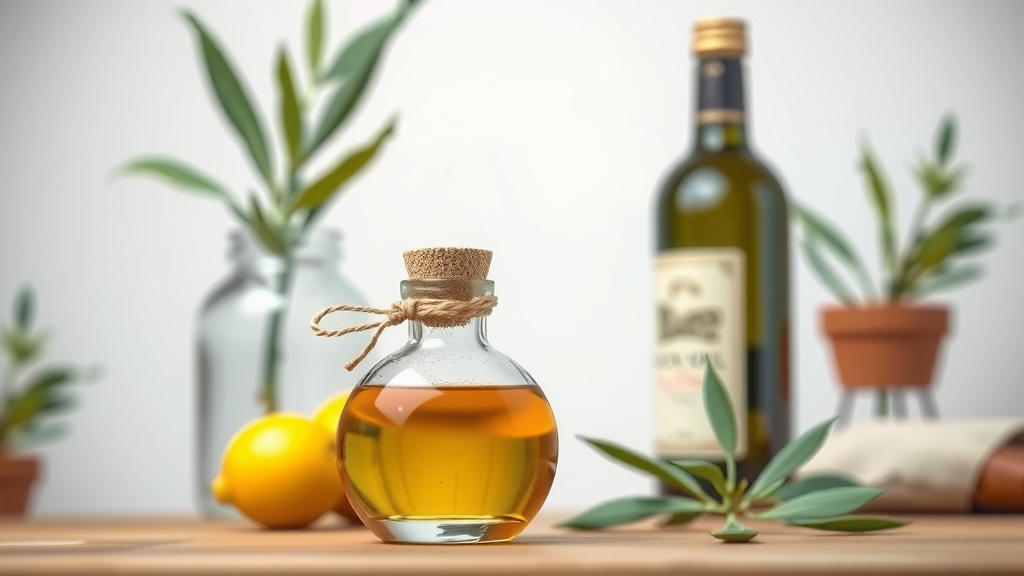
A Quick Guide to Olive Oil Taste Profiles
To help you navigate the world of olive oil flavors, here’s a simplified look at common profiles:
| Taste Profile | Common Descriptors | Typical Olive Types/Origins |
|---|---|---|
| Mild & Buttery | Smooth, creamy, delicate, sweet, faint fruitiness | California, some Italian (e.g., Ascolano), Spanish (e.g., Arbequina) |
| Medium & Fruity | Balanced fruitiness (apple, tomato), light grassy notes, mild pepper | Greek (e.g., Koroneiki), Spanish (e.g., Picual), California |
| Robust & Intense | Strong grassy, peppery, bitter notes, pungent, bold fruitiness, sometimes artichoke | Italian (e.g., Coratina, Frantoio), Greek (e.g., native varietals), Spanish (e.g., Hojiblanca) |
This is just a general guide. Many oils can fall somewhere in between these categories. It’s all about your personal preference and what you plan to use the oil for.
Your Olive Oil Flavor Checklist
As you taste different olive oils, try to identify these elements:
- Fruity notes (apple, tomato, banana?)
- Grassy or herbal aromas (fresh cut grass, artichoke, mint?)
- Peppery sensation (tingle in the throat?)
- Bitter taste (slight astringency?)
- Any other unexpected flavors (nutty, chocolate, floral?)
- The overall balance of these elements
Conclusion
You’ve learned that olive oil’s taste is a rich spectrum. From bright and fruity to bold and peppery, each bottle offers a unique sensory journey. Understanding the factors like olive type, origin, and processing helps you appreciate its depth. Now, armed with this knowledge, you can confidently select and savor olive oils. Your next step is to taste a few different types. Compare a mild oil with a robust one. Notice the differences and discover your personal favorites for cooking and enjoying!
Frequently Asked Questions
Does the color of olive oil tell you how it tastes?
The color of olive oil can range from vibrant green to golden yellow. While deep green often suggests freshness and a more robust flavor, color alone isn’t a perfect indicator of taste. Many factors influence color, and a lighter oil can still be delicious and flavorful. It’s best to rely on your senses rather than just the color.
Can I taste olive oil straight from the bottle?
Yes, you absolutely can taste olive oil directly. To best experience its flavor, pour a small amount into a tasting glass, or even a small bowl. Gently warm it in your hand to release its aromas before taking a small sip. This allows you to notice subtle notes you might miss if just drizzling it on food.
What does a “peppery” taste in olive oil mean?
That peppery sensation you might feel in the back of your throat is a good sign! It comes from natural compounds called polyphenols, which are healthy antioxidants. A peppery taste indicates a fresh, high-quality olive oil. The intensity can vary depending on the olive variety and how ripe they were when harvested.
Why do some olive oils taste bitter?
Bitterness in olive oil is a natural characteristic, often found in oils made from greener, less ripe olives. Like the peppery quality, it’s a sign of beneficial polyphenols. A pleasant bitterness adds complexity to the oil’s flavor profile. Very strong bitterness might be too intense for some, but it’s generally a mark of quality.
How can I find olive oils that match my preferred taste?
Start by looking at the labels for descriptions like “mild,” “medium,” or “robust.” Many producers also list the olive varietals used, which can hint at the flavor profile. Visit local specialty food stores or farmers’ markets where you can often ask for recommendations or even sample oils. Tasting different types is the best way to learn what you like.