
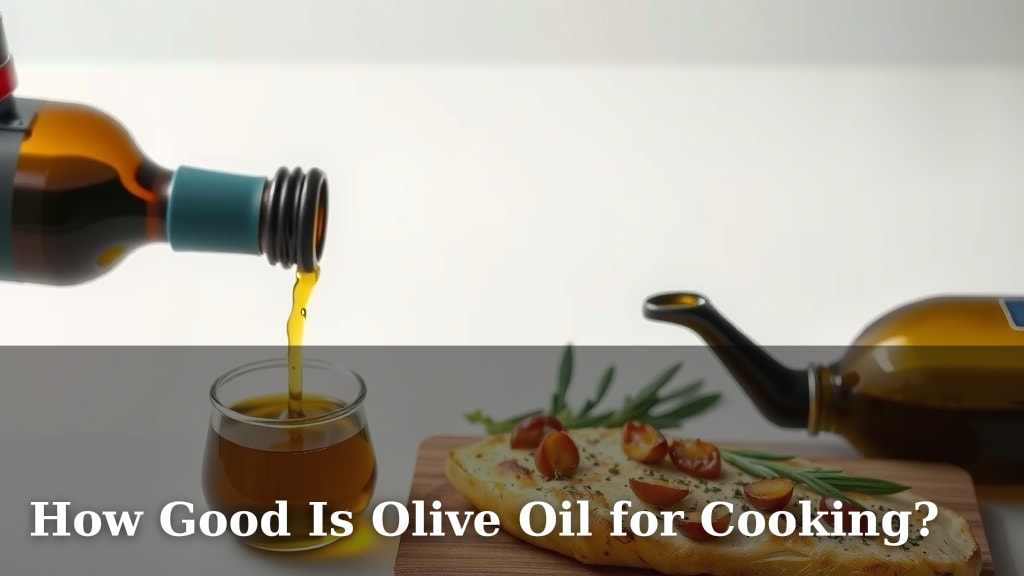
How Good Is Olive Oil for Cooking?
Yes, olive oil is excellent for cooking, especially for dishes that don’t require super high heat. It’s a healthy fat that adds delicious flavor to your meals. You can safely use it for sautéing, roasting, and making dressings. It’s a kitchen staple for a reason!
When choosing olive oil, keep in mind that different types have different smoke points. Extra virgin olive oil has a lower smoke point, making it best for lower-heat cooking and finishing dishes. Refined olive oils can handle higher temperatures. We found that understanding these differences helps you get the best results for your cooking.
- Olive oil is great for cooking, especially at medium heats.
- Extra virgin olive oil is best for dressings and low-heat sautéing.
- Refined olive oils are better for higher heat cooking like roasting.
- It’s a healthy fat that adds wonderful flavor.
- Your choice of olive oil matters for your cooking method.
So, is olive oil a good choice for your kitchen adventures? Let’s walk through exactly how different types of olive oil perform when you cook with them.
Putting Olive Oil to Work in Your Kitchen
You’re wondering if olive oil is a good cooking companion. The short answer is yes! It’s a wonderfully versatile oil that can handle many cooking tasks. You can add delicious flavor and healthy fats to your meals with it. We’ve found that knowing a little about the different types makes a big difference.
Let’s dive into how different olive oils perform. Understanding their properties helps you make the best choice for your recipes. This way, you get the best flavor and cooking results possible.
Understanding Olive Oil Types and Their Cooking Behavior
Not all olive oils are created equal when it comes to heat. Their differences often come down to how they are processed. This processing directly impacts their smoke point, which is the temperature at which the oil starts to break down and smoke.
Extra Virgin Olive Oil (EVOO): The Star for Flavor
Extra virgin olive oil is the least processed type. It’s made by pressing olives without heat or chemicals. This preserves its natural antioxidants and flavor. Because of this, it has a lower smoke point, typically around 375°F (190°C) to 405°F (207°C).
Best Uses for Extra Virgin Olive Oil
EVOO shines when you’re not using high heat. Think of it as your go-to for salad dressings. It also works perfectly for drizzling over finished dishes. Sautéing vegetables over medium heat is another great use. Many chefs swear by it for its fresh, fruity, or peppery taste.
We found that using EVOO for finishing can really boost the flavor of your food. A simple drizzle can transform a plain dish into something special.
When to Avoid High Heat with EVOO
You’ll want to avoid using EVOO for deep-frying or searing meats at very high temperatures. When olive oil heats past its smoke point, it can develop a bitter taste. It also loses some of its healthy compounds.
Virgin Olive Oil: A Close Runner-Up
Virgin olive oil is similar to EVOO but has slightly higher acidity. Its smoke point is generally a bit higher, too. However, it’s less common in stores compared to EVOO and the next category.
Pure Olive Oil (or Olive Oil): The Versatile All-Rounder
This type is often a blend of refined olive oil and some virgin or extra virgin olive oil. Refining removes impurities but also some flavor and nutrients. This process gives it a higher smoke point, often around 390°F (199°C) to 470°F (243°C).
Great for Everyday Cooking
Because of its higher smoke point, regular olive oil is fantastic for everyday cooking. You can use it for sautéing, roasting, and even baking. It’s a good option when you need an oil that can handle moderate to high heat without burning easily.
We found that this type is a reliable choice for most home cooks. It offers a good balance of health benefits and heat tolerance. It’s also generally more affordable than extra virgin.
Light Olive Oil: Not What You Think!
Don’t let the name “light” fool you into thinking it’s low in calories. Light olive oil refers to its lighter flavor and color, not its fat content. It’s refined even further. This results in a very high smoke point, similar to or even higher than regular olive oil.
The Best Choice for High Heat?
If you’re looking for an olive oil to handle high-heat searing or roasting, a light olive oil is a good candidate. It can tolerate higher temperatures before it starts to smoke and degrade. You’ll get a neutral flavor profile with this oil.
Comparing Olive Oil Types for Different Cooking Methods
Choosing the right olive oil can make your cooking experience smoother and tastier. Here’s a quick guide:
| Cooking Method | Best Olive Oil Type(s) | Why? |
|---|---|---|
| Salad Dressings & Dips | Extra Virgin Olive Oil | Preserves delicate flavors, adds richness. |
| Low-Heat Sautéing (e.g., vegetables) | Extra Virgin Olive Oil | Adds flavor without burning. |
| Medium-Heat Sautéing & Pan-Frying | Pure Olive Oil, Light Olive Oil | Higher smoke point handles moderate heat. |
| Roasting (vegetables, meats) | Pure Olive Oil, Light Olive Oil | Tolerates oven temperatures well. |
| Baking | Pure Olive Oil, Light Olive Oil | Provides moisture and a subtle richness. |
| High-Heat Searing & Deep Frying | Light Olive Oil (or other high-heat oils) | Highest smoke point among olive oils. |
Health Benefits of Cooking with Olive Oil
Olive oil is celebrated for its health benefits. It’s a cornerstone of the Mediterranean diet, known for promoting well-being (Harvard Health Publishing). It’s rich in monounsaturated fats, which are considered healthy fats. These fats can help improve cholesterol levels.
Extra virgin olive oil, in particular, is packed with antioxidants. These compounds, like polyphenols, are thought to have anti-inflammatory properties. When you cook with olive oil, you’re adding these beneficial elements to your diet.
Tips for Using Olive Oil Safely and Effectively
To get the most out of your olive oil, keep a few things in mind. Storing it properly is key. Keep it in a cool, dark place away from direct sunlight and heat.
When cooking, pay attention to your heat levels. If you see your oil smoking, it’s too hot. You might need to turn down the heat or switch to an oil with a higher smoke point. Using the right oil for the job ensures the best taste and health benefits.
Your Olive Oil Checklist for Success
- Know your smoke points: Match oil to heat level.
- Store it right: Keep it cool and dark.
- Taste the difference: Use EVOO for flavor.
- Don’t overheat: Avoid smoke for better taste.
- Consider your dish: Choose oil based on recipe needs.
- Enjoy the health boost: Add healthy fats to your meals.
Conclusion
You’ve learned that olive oil is a fantastic choice for your kitchen, bringing both flavor and health to your meals. The key is picking the right type for your cooking method. Extra virgin olive oil is your best friend for dressings and low-heat sautés, adding that perfect finishing touch. For higher temperatures like roasting and pan-frying, opt for pure or light olive oil. By understanding these simple differences, you can confidently cook delicious and healthy meals every time. Start by checking your pantry and choosing the best olive oil for your next culinary creation!
Frequently Asked Questions
Can I use extra virgin olive oil for all my cooking?
While extra virgin olive oil is wonderful for flavor, it has a lower smoke point. We recommend using it for dressings, dips, and low to medium-heat sautés. For high-heat cooking like searing or deep-frying, a refined olive oil like pure or light olive oil is a better choice to prevent it from burning.
Does “light” olive oil mean it’s lower in calories?
No, the term “light” in olive oil refers to its flavor and color, not its calorie content. Light olive oil has a more neutral taste and a higher smoke point because it’s more refined. You can use it for high-heat cooking methods without affecting the flavor of your dish.
What happens if I overheat olive oil?
When olive oil is heated past its smoke point, it begins to break down. This process can create a bitter taste in your food. It also diminishes some of the oil’s healthy compounds and antioxidants. You’ll notice a distinct smoky smell if it’s getting too hot.
How should I store olive oil to keep it fresh?
To maintain its quality, store your olive oil in a cool, dark place, like a pantry or cupboard. Avoid keeping it near the stove or in direct sunlight, as heat and light can cause it to degrade faster. A tightly sealed bottle will also help preserve its freshness.
Is it still healthy to cook with olive oil if it’s heated?
Yes, cooking with olive oil is still healthy! While very high heat can degrade some of its beneficial compounds, olive oil remains a source of healthy monounsaturated fats. Even when heated to moderate temperatures, it offers health benefits. Just be mindful of the smoke point to preserve both flavor and nutritional value.

![7 Best Grassy Olive Oil [2026]](https://bestpureessentialoils.com/wp-content/uploads/2026/08/7-best-grassy-olive-oil-2026-featured-768x432.jpg)
![7 Best Extra Virgin Olive Oil For Dipping [2026]](https://bestpureessentialoils.com/wp-content/uploads/2026/08/7-best-extra-virgin-olive-oil-for-dipping-2026-featured-768x432.jpg)