
Ghee vs Olive Oil: Which is Best for Cooking
When choosing between ghee and olive oil for cooking, ghee is generally better for high-heat searing and sautéing, while olive oil shines in dressings and low-heat applications. Both offer unique benefits, but their smoke points and flavor profiles dictate their best uses. Understanding these differences helps you pick the perfect cooking fat for your dish.
Ghee, a clarified butter, has a higher smoke point than most olive oils. This makes it less likely to burn when you’re cooking at high temperatures. Olive oil, especially extra virgin, has a lower smoke point and a more delicate flavor. Many cooks prefer olive oil for finishing dishes or making vinaigrettes. We found that this distinction is key for flavor and health.
- Ghee is ideal for high-heat cooking like searing and frying.
- Olive oil is best for salad dressings, marinades, and low-heat sautéing.
- Ghee has a higher smoke point, preventing burning and off-flavors.
- Olive oil adds a rich flavor to dishes when not heated too high.
- Both can be part of a healthy diet when used appropriately.
Ready to decide which fat is right for your next meal? Let’s break down the best ways to use ghee and olive oil in your kitchen.
Ghee vs. Olive Oil: Choosing the Right Fat for Your Cooking Needs
So, you’re standing in front of your pantry, recipe in hand, and a decision needs to be made: ghee or olive oil? It might seem like a small choice, but picking the right fat can make a big difference in your dish’s final taste and even how it cooks. We found that understanding their unique properties helps you get the best results.
Understanding the Basics: What Are Ghee and Olive Oil?
What Exactly is Ghee?
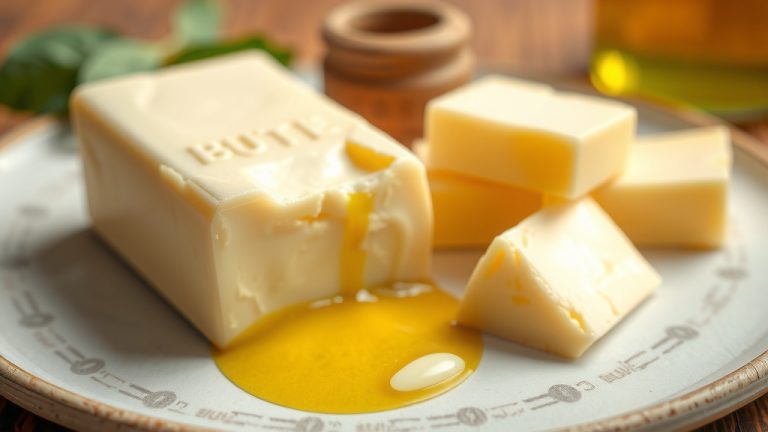
Ghee is essentially clarified butter. It starts as regular butter, which is then slowly simmered to remove water and milk solids. What’s left is pure, golden fat. Many cooks love ghee because it has a rich, slightly nutty flavor. It’s a staple in many cuisines, especially Indian cooking. Research indicates that removing the milk solids also makes it more stable for cooking.
What About Olive Oil?
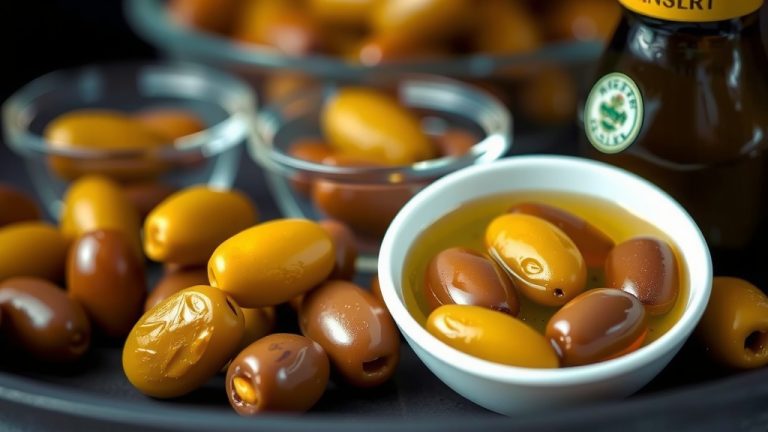
Olive oil is pressed from olives. It’s a cornerstone of the Mediterranean diet. There are different types, like extra virgin, virgin, and regular olive oil. Extra virgin olive oil is the least processed. It retains the most flavor and beneficial compounds from the olive. We found that its fruity and sometimes peppery notes are highly prized.
The Crucial Difference: Smoke Points and Heat Tolerance
Ghee’s High Smoke Point: Great for Searing
One of the biggest advantages of ghee is its high smoke point. We found that pure ghee can handle temperatures around 450-485°F (232-252°C). This means it can withstand intense heat without breaking down and burning. When you’re searing steaks, stir-frying vegetables at high heat, or frying foods, ghee is a fantastic choice. It helps create that delicious crust without creating acrid smoke or harmful compounds. Guidelines often suggest using fats with higher smoke points for high-heat cooking (USDA).
Olive Oil’s Smoke Point: Varies by Type
Olive oil’s smoke point varies quite a bit. Extra virgin olive oil typically smokes around 375°F (190°C). Refined olive oil or regular olive oil can go higher, sometimes up to 400-410°F (204-210°C). While refined olive oil can handle some sautéing, extra virgin olive oil is best kept for lower-heat cooking or finishing. Heating extra virgin olive oil past its smoke point can destroy its delicate flavor and beneficial antioxidants. Many health organizations recommend it for raw applications (Mayo Clinic).
Flavor Profiles: How They Impact Your Dishes
The Richness of Ghee
Ghee brings a distinct, rich, buttery flavor to your food. It’s not as simple as just butter; the clarification process gives it a slightly toasted, nutty undertone. This depth of flavor can enhance savory dishes beautifully. Think of roasted vegetables or pan-fried chicken. It adds a layer of deliciousness that butter can sometimes lack due to its water content.
The Nuances of Olive Oil
Olive oil’s flavor is much more varied. Extra virgin olive oil can range from mild and fruity to robust and peppery. This makes it incredibly versatile. It’s perfect for adding a fresh, vibrant taste to salads, pasta, and grilled fish. You can use it to make bright vinaigrettes or drizzle it over finished dishes for an extra burst of flavor. Its flavor is what makes it a star in Mediterranean cuisine. Our guide to the best extra virgin olive oil explains how its flavor is a star in Mediterranean cuisine.
Best Uses for Ghee and Olive Oil
When to Reach for Ghee
Ghee truly shines when you need a stable fat for high-heat cooking. Here are some prime examples:
- Searing steaks, chicken, or fish
- High-heat sautéing of vegetables
- Frying foods like potatoes or chicken
- Roasting vegetables at high temperatures
- Baking where a buttery flavor is desired without browning issues
We found that its stability means you get even cooking and excellent browning without worrying about burning. It’s a real workhorse for many recipes.
When to Choose Olive Oil
Olive oil, especially extra virgin, is your go-to for lower-heat cooking and adding fresh flavor. Consider it for:
- Whipping up salad dressings and vinaigrettes
- Marinating meats, fish, or vegetables
- Low-heat sautéing for delicate ingredients
- Drizzling over finished dishes like pasta, soups, or roasted vegetables
- Baking, particularly in cakes and muffins, where its flavor is a plus
Many cooks prefer it for its health benefits when consumed raw or lightly heated.
Nutritional Considerations: A Quick Look
Ghee’s Nutritional Snapshot
Ghee is primarily composed of fat. It contains some fat-soluble vitamins like A, D, E, and K, especially if made from grass-fed butter. It’s also a source of butyrate, a fatty acid that research suggests may have anti-inflammatory properties (NCBI). It contains conjugated linoleic acid (CLA), which some studies suggest could have health benefits, though more research is needed. Since it’s pure fat, moderation is key.
Olive Oil’s Health Profile
Olive oil is celebrated for its health benefits. It’s rich in monounsaturated fats, which are considered heart-healthy. Extra virgin olive oil is packed with antioxidants, like polyphenols, which have anti-inflammatory and protective effects on the body (Harvard Health). These compounds are largely absent in refined olive oils. The Mediterranean diet, which heavily features olive oil, is linked to numerous health advantages (Cleveland Clinic).
A Simple Comparison Table
| Feature | Ghee | Olive Oil (Extra Virgin) |
|---|---|---|
| Type | Clarified butter | Fruit juice from olives |
| Smoke Point | High (450-485°F / 232-252°C) | Medium (375°F / 190°C) |
| Flavor | Rich, nutty, buttery | Fruity, grassy, peppery |
| Best For | High-heat searing, frying, baking | Dressings, marinades, low-heat sautéing, finishing |
| Key Nutrients | Fat-soluble vitamins, butyrate, CLA | Monounsaturated fats, antioxidants (polyphenols) |
Making Your Choice: A Quick Checklist
Wondering what to grab for your next culinary adventure? Use this quick checklist to help you decide:
- High-heat cooking? Grab the ghee.
- Making a salad dressing? Reach for olive oil.
- Want that perfect sear? Ghee is your friend.
- Adding fresh flavor at the end? Olive oil is the star.
- Sensitive to dairy but love buttery taste? Ghee might still work for you (we found many tolerate it).
- Aiming for maximum healthy fats in raw applications? Extra virgin olive oil is ideal.
Conclusion
You’ve seen how ghee and olive oil bring different strengths to your kitchen. Ghee is your champion for achieving perfect high-heat sears and fries, thanks to its impressive smoke point. Olive oil, particularly extra virgin, offers a fresh, nuanced flavor ideal for dressings and finishing dishes without excessive heat. Choosing between them boils down to your cooking method and desired taste. Now you have the knowledge to confidently select the right fat for any recipe, ensuring delicious results every time. Happy cooking!
Frequently Asked Questions
Can I substitute ghee for olive oil in any recipe?
Generally, you can substitute ghee for olive oil, but consider the heat and flavor. For high-heat cooking where olive oil might burn, ghee is a better swap. For delicate dressings or low-heat applications where olive oil’s flavor is key, substituting might change the dish’s profile.
Is ghee healthier than olive oil?
Both fats have their own health benefits. Olive oil, especially extra virgin, is rich in monounsaturated fats and antioxidants. Ghee is primarily fat but contains some beneficial compounds like butyrate. Neither is definitively “healthier”; it depends on your dietary needs and how you use them.
Does ghee have a strong flavor?
Ghee has a rich, buttery flavor with a slight nutty undertone from the clarification process. It’s more pronounced than regular butter but generally considered a pleasant, savory flavor that enhances many dishes without being overpowering.
What kind of olive oil should I use for cooking?
For dressings, marinades, and finishing, extra virgin olive oil is best for its flavor and nutrients. For low to medium-heat sautéing, a regular or light olive oil with a higher smoke point might be more suitable to prevent flavor loss and burning.
Can I use ghee if I’m lactose intolerant?
Yes, many people who are lactose intolerant can tolerate ghee. The process of making ghee removes most of the water and milk solids, which contain lactose and casein. You may want to try a small amount first to see how your body reacts.

![7 Best Italian Tuna In Olive Oil [2026]](https://bestpureessentialoils.com/wp-content/uploads/2026/08/7-best-italian-tuna-in-olive-oil-2026-featured-768x432.jpg)
![7 Best Dop Olive Oil [2026]](https://bestpureessentialoils.com/wp-content/uploads/2026/06/7-best-dop-olive-oil-2026-featured-768x432.jpg)