Beef Tallow vs Extra Virgin Olive Oil: Which is Healthier
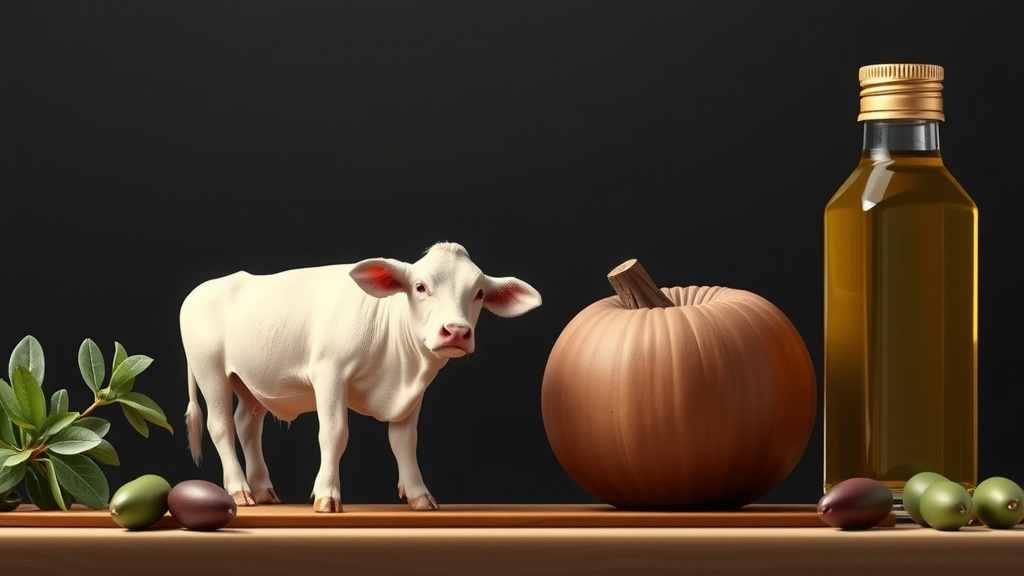
When choosing between beef tallow and extra virgin olive oil for cooking, extra virgin olive oil is generally the healthier choice for dressings and low-heat cooking. Beef tallow shines when you need a high smoke point for searing meats. Both have their place in your kitchen, but understanding their differences is key.
You might be wondering which fat to reach for next time you’re in the kitchen. We’ve looked at the research, and it turns out that each fat has unique benefits and drawbacks. Understanding their smoke points, flavor profiles, and nutritional content will help you make the best choice for your meals.
- Extra virgin olive oil is best for cold dishes and low-heat cooking.
- Beef tallow is excellent for high-heat cooking like searing and frying.
- Olive oil offers monounsaturated fats and antioxidants.
- Beef tallow is rich in saturated and monounsaturated fats.
- Flavor is a big consideration for both fats.
Let’s walk through the specifics of beef tallow versus extra virgin olive oil so you can confidently pick the right fat for your next culinary adventure.
Beef Tallow vs. Extra Virgin Olive Oil: A Kitchen Showdown
Deciding between beef tallow and extra virgin olive oil for your cooking can feel like a big choice. Both are popular fats. They each bring something a little different to the table, literally. We’ve looked at what makes them tick. We found that understanding their properties helps you pick the right one for any dish.
Understanding the Smoke Point: When Fats Get Hot
One of the most important things to consider is a fat’s smoke point. This is the temperature at which a fat starts to break down and smoke. When a fat smokes, it can create harmful compounds and give your food a burnt taste. This is where beef tallow and extra virgin olive oil really show their differences.
Beef Tallow’s High Heat Tolerance
Beef tallow is rendered from beef fat. It’s known for its ability to handle high temperatures. You can typically expect beef tallow to have a smoke point around 400°F (204°C) and sometimes even higher, depending on how it’s processed. This makes it a fantastic choice for cooking methods that require intense heat.
Think about searing a steak or frying chicken. These methods get really hot. Beef tallow can handle that heat without breaking down too quickly. This helps you achieve that perfect golden-brown crust on your meats. Many chefs and home cooks rely on it for this very reason.
Extra Virgin Olive Oil’s Delicate Nature
Extra virgin olive oil (EVOO), on the other hand, is much more sensitive to heat. Its smoke point is generally lower, often around 325-375°F (163-190°C). The exact temperature can vary based on the oil’s quality and how it was filtered. Because it’s less refined, EVOO contains more beneficial compounds.
When EVOO gets too hot, those beneficial compounds can be damaged. The oil can also start to taste bitter or acrid. This means EVOO isn’t the best pick for high-heat searing or deep frying. It’s better suited for gentler cooking methods or when you’re not using heat at all.
Nutritional Profiles: What You’re Adding to Your Meal
The fats you use can impact the nutritional value of your food. Both beef tallow and EVOO have different fat compositions. Understanding these differences can help you align your cooking choices with your dietary goals.
The Fat Makeup of Beef Tallow
Beef tallow is primarily composed of saturated fats and monounsaturated fats. Roughly 50% of its fat content is saturated, with a good portion being monounsaturated fats like oleic acid. Some research suggests that saturated fats, when consumed in moderation as part of a balanced diet, can be part of a healthy eating pattern (USDA). It also contains some polyunsaturated fats.
The Fat Makeup of Extra Virgin Olive Oil
Extra virgin olive oil is famous for its high content of monounsaturated fats, particularly oleic acid. This type of fat is often associated with heart health benefits. Many health organizations recommend increasing monounsaturated fat intake (American Heart Association). EVOO also contains smaller amounts of saturated and polyunsaturated fats.
What really sets EVOO apart are its antioxidants. These are compounds that can help protect your body from cell damage. Think of them as tiny defenders working to keep your cells healthy. These antioxidants are what give EVOO some of its health-promoting reputation.
Flavor Considerations: How They Taste and Transform Food
Fat doesn’t just carry flavor; it *is* flavor. The taste of your cooking fat can significantly alter the final dish. Both beef tallow and EVOO have distinct flavor profiles.
Beef Tallow: A Rich, Savory Contributor
Beef tallow has a mild, savory beef flavor. It’s not overpowering, but it adds a certain richness to food. This subtle flavor is why it’s often used in traditional baking for flaky pie crusts or to make wonderfully crispy roasted potatoes. It enhances the savory notes of meats and vegetables.
If you’re making something where you want that comforting, rich taste, beef tallow can deliver. It’s like a secret ingredient that makes your dishes taste more deeply satisfying. It’s a staple in many classic recipes for good reason.
Extra Virgin Olive Oil: Fruity, Peppery, and Fresh
The flavor of EVOO is much more varied. Good quality EVOO can range from fruity and mild to grassy and peppery. The taste depends heavily on the olives used, where they were grown, and how the oil was produced. This complex flavor is a big part of its appeal, especially in uncooked applications.
When you use EVOO in a salad dressing or drizzle it over grilled vegetables, you get its fresh, vibrant taste. It can add a bright, sometimes pungent, note that lifts a dish. A peppery EVOO can even add a pleasant tingle to the back of your throat.
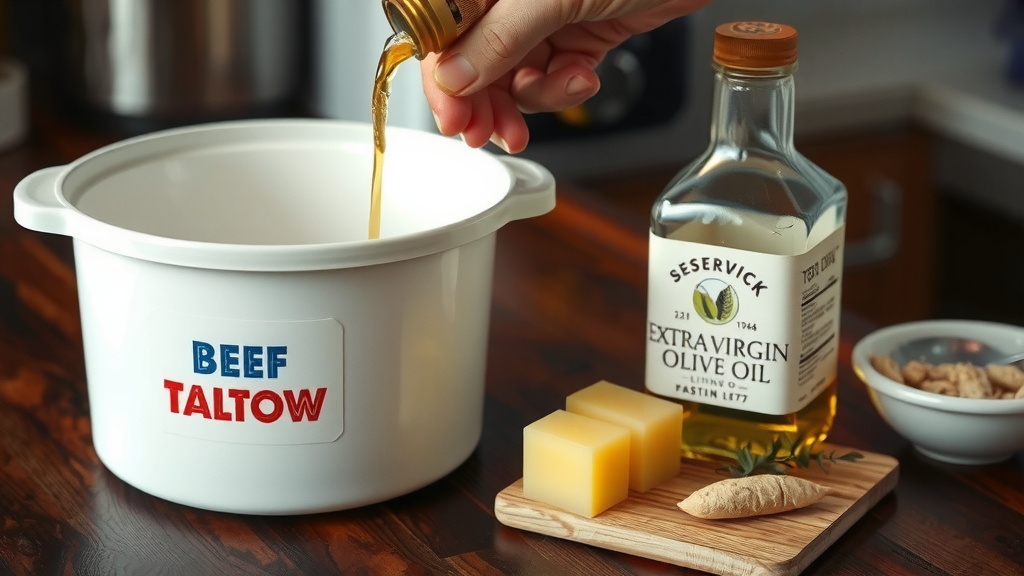
Best Uses for Each Fat: When to Reach for What
So, when should you choose beef tallow, and when is EVOO the better bet? It really comes down to your cooking method and the desired outcome.
When Beef Tallow Shines
You’ll want to grab your beef tallow when you need a fat that can take the heat. This includes:
- Searing steaks, burgers, or chicken to get that beautiful crust.
- Roasting vegetables like potatoes or Brussels sprouts for maximum crispiness.
- Frying foods, whether it’s shallow frying or even deep frying.
- Baking certain items, like traditional pie crusts or savory pastries, where its flavor and texture are beneficial.
When Extra Virgin Olive Oil Excels
EVOO is your go-to for lower-heat applications and uncooked dishes. Consider using it for:
- Salad dressings and vinaigrettes, where its flavor can shine.
- Finishing dishes by drizzling it over pasta, soups, or cooked vegetables.
- Low-heat sautéing of delicate ingredients like garlic or shallots.
- Marinades, where its flavor can infuse into meats and vegetables.
- Dipping bread into, especially with some herbs or spices.
Making Your Kitchen Choices: A Quick Checklist
To help you decide quickly the next time you’re cooking, keep this simple checklist in mind:
- Do you need high heat for searing or frying? → Beef Tallow
- Are you making a salad dressing or dipping sauce? → Extra Virgin Olive Oil
- Do you want a rich, savory flavor boost? → Beef Tallow
- Are you looking for antioxidants and heart-healthy fats? → Extra Virgin Olive Oil
- Is the dish delicate or meant to be fresh? → Extra Virgin Olive Oil
- Do you want crispy roasted potatoes or flaky pie crusts? → Beef Tallow
Both beef tallow and extra virgin olive oil are wonderful to have in your kitchen pantry. They serve different purposes, and understanding those differences will help you become a more confident cook. You can absolutely use both fats, choosing the right one for the job.
Conclusion
You’ve learned that beef tallow and extra virgin olive oil are kitchen powerhouses with distinct roles. Beef tallow is your champion for high-heat searing and frying, delivering that perfect crispy texture and rich flavor. Extra virgin olive oil shines in dressings and low-heat cooking, adding its unique fruity notes and beneficial antioxidants. Choosing between them comes down to your cooking method and the delicious results you desire. Don’t hesitate to keep both on hand; they’re the perfect culinary duo to elevate your everyday meals.
Frequently Asked Questions
Can I substitute beef tallow for olive oil in any recipe?
Generally, no, it’s best to avoid a direct 1:1 substitution for all recipes. Beef tallow’s high smoke point makes it unsuitable for delicate salad dressings where olive oil excels. Conversely, olive oil’s lower smoke point means it shouldn’t be used for high-heat searing where tallow performs best.
Is beef tallow bad for your health?
Beef tallow contains saturated fats, but research suggests moderation is key. When consumed as part of a balanced diet, it can be included. It also offers monounsaturated fats, similar to olive oil, and is a source of certain vitamins.
Does extra virgin olive oil lose its health benefits when heated?
Yes, excessive heat can degrade some of the beneficial compounds in extra virgin olive oil, like its antioxidants. For maximum health benefits, it’s best used in dressings, drizzled over food, or for very low-heat cooking. For higher heat, a lighter olive oil or another fat might be more appropriate.
Can I use beef tallow for baking?
Absolutely! Beef tallow is fantastic for baking, especially for flaky pie crusts and tender biscuits. Its ability to create a crisp texture is highly desirable in pastries. It also adds a subtle richness that complements many baked goods.
Which fat is better for everyday cooking?
For everyday cooking, it depends on the dish. For simple sautéing of vegetables or finishing pasta, extra virgin olive oil is often preferred for its flavor and lower heat tolerance. If you’re frequently searing meats or roasting vegetables at high temperatures, beef tallow becomes your go-to.

![7 Best Olive Oil Bulk [2026]](https://bestpureessentialoils.com/wp-content/uploads/2026/09/7-best-olive-oil-bulk-2026-featured-768x432.jpg)