Classic Olive Oil vs. Extra Light Olive Oil: Which is Best
When deciding between classic olive oil and extra light olive oil Our guide to the best extra light olive oil can help you find the perfect neutral option., the key difference boils down to flavor and appearance. Classic olive oil, like extra virgin, has a distinct olive taste and a greenish hue. Extra light olive oil is processed to have a very neutral flavor and a pale yellow color. You’re not choosing a “better” oil, but the right oil for your recipe.
Many people wonder if “light” means fewer calories, but that’s a common misconception. Both classic and extra light olive oils have roughly the same number of calories per serving. The “light” refers strictly to the flavor profile and the color, not the fat content. Using the wrong one can change your dish’s outcome.
- Classic olive oil offers a distinct olive flavor and color.
- Extra light olive oil is neutral in taste and pale in color.
- “Light” refers to flavor and color, not calories.
- Choose based on your recipe’s needs.
We’ve researched the distinctions and want to help you make the best choice for your kitchen. Let’s break down these differences so you can cook with confidence.
Understanding Your Olive Oil Choices: Classic vs. Extra Light
You’re standing in the aisle, staring at bottles of olive oil. Which one is right for your next culinary creation? We’ve all been there, feeling a little confused by the options. The terms “classic” and “extra light” can sound a bit vague. But don’t worry, we’re here to help you navigate this. It’s all about understanding what these labels really mean for your cooking. Let’s get to the bottom of it.
What Exactly Is Classic Olive Oil?
Think of classic olive oil as the one that brings that authentic olive experience to your plate. It’s usually a bit more robust in flavor. You’ll often find it has a lovely green tint, especially if it’s a higher quality. This color comes from chlorophyll, a natural pigment in olives. The flavor can range from mild and fruity to more peppery and intense.
Flavor Profile of Classic Olive Oil
When we talk about classic olive oil, we’re talking about a taste that hints at olives. It’s not overpowering, but it’s definitely present. It adds a certain character to dishes. You might detect notes of grass, almonds, or even tomato leaves. This is a good thing! It means the oil has retained more of its natural qualities from the fruit.
Appearance and Color
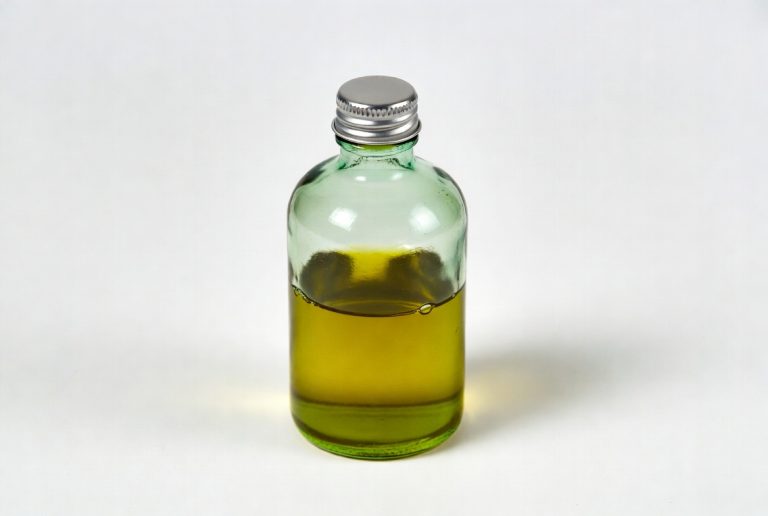
The color of classic olive oil can vary quite a bit. It often ranges from a vibrant green to a golden yellow. The shade can depend on the type of olives used and when they were harvested. A greener oil typically means younger olives were used. These often have a more peppery flavor. A golden oil might suggest riper olives, leading to a milder taste. So, that color is a visual cue to its potential flavor.
When to Use Classic Olive Oil
You’ll want to reach for classic olive oil when you want its flavor to be a part of the dish. It’s fantastic for salad dressings. Imagine a simple vinaigrette with a good classic olive oil – the taste really shines through. It’s also wonderful for drizzling over finished dishes. Think bruschetta, grilled vegetables, or a simple soup. It adds a finishing touch that’s both delicious and visually appealing. It’s also a good choice for light sautéing or when a recipe calls for a subtle olive taste.
Decoding Extra Light Olive Oil
Now, let’s talk about extra light olive oil. The name itself might make you think it’s lighter in calories, but we know that’s not the case. Remember, “light” here refers to its neutral taste and appearance. This type of olive oil has undergone more processing. This process strips away most of the natural flavor and color associated with olives. It’s designed to be as unobtrusive as possible.
A Neutral Flavor Experience
This is the main selling point of extra light olive oil. Its flavor is extremely mild, almost undetectable. It’s pale yellow and doesn’t really taste like olives. This makes it a fantastic workhorse in the kitchen. It won’t compete with the other flavors in your recipe. If you’re baking something delicate, like a cake or muffins, and want the vanilla or chocolate to be the star, this is your oil. It provides moisture and texture without adding its own distinct taste.
Its Pale, Clear Appearance
Unlike classic olive oil, extra light olive oil is typically a very pale, almost clear yellow. You won’t see any green hues here. This lack of color means it won’t alter the visual appeal of your food. If you’re making something where you want a pristine white color, like a delicate frosting or a light-colored sauce, this oil is your friend. It’s designed to blend in, visually and taste-wise.
Best Uses for Extra Light Olive Oil
Where does extra light olive oil shine? It’s perfect for high-heat cooking like frying or roasting. Because it has a higher smoke point than some classic olive oils (though this can vary by brand), it’s reliable. You can use it for pan-frying chicken or fish without worrying about it burning. It’s also ideal for baking. If a recipe calls for vegetable oil or canola oil, extra light olive oil is often a great substitute. It allows you to use a healthier fat source without changing the intended flavor of your baked goods. Think of it as a blank canvas for flavor.
Comparing the Two: A Quick Glance
Let’s put it side-by-side so you can see the differences clearly. It’s not about one being superior; it’s about choosing the right tool for the job.
| Feature | Classic Olive Oil | Extra Light Olive Oil |
|---|---|---|
| Flavor | Distinct olive taste, can be fruity or peppery | Very neutral, mild, almost undetectable |
| Color | Green to golden yellow | Pale yellow, almost clear |
| Processing | Less processed, retains more natural qualities | More processed to remove flavor and color |
| Best For | Dressings, finishing, light sautéing, dips | Baking, high-heat frying, roasting, when neutrality is key |
| Added Flavor? | Yes, adds a subtle olive note | No, won’t impact recipe flavor |
Making Your Choice: What to Consider
So, how do you pick the right one for your needs? It really comes down to your recipe and what you want to achieve. Ask yourself a few questions:
- Do I want the taste of olive oil to be noticeable in my dish?
- Am I baking something where I need a neutral oil? Our guide on vegetable oil vs. olive oil for baking explains when a neutral oil is best.
- Will I be cooking at high temperatures?
- Is the color of the oil important for the final presentation?
Answering these questions should point you in the right direction. Many experts suggest keeping both on hand. This way, you’re always prepared for any culinary adventure. For instance, if you’re making homemade mayonnaise, a classic olive oil can add a delicious depth. But if you’re making light-colored cookies, extra light is the way to go to avoid a yellowish tint and a strange flavor.
Common Misconceptions Cleared Up
We touched on this earlier, but it’s worth repeating. The word “light” in extra light olive oil has absolutely nothing to do with calories or fat content. According to dietary guidelines and nutritionists, all olive oils, regardless of their type or “lightness,” contain about the same amount of calories per tablespoon. You can expect around 120 calories per serving (Mayo Clinic). The “light” aspect is solely about the sensory characteristics – taste and color. So, don’t choose extra light thinking you’re cutting calories; choose it for its neutral profile.
Your Kitchen Confidence Checklist
Here’s a quick guide to help you remember the key differences:
- Classic Olive Oil: Has olive flavor, good for finishing.
- Extra Light Olive Oil: Neutral flavor, ideal for baking and frying.
- “Light” = Flavor & Color: Not fewer calories.
- Color Clue: Greenish hue means more olive character.
- Recipe is Key: Match the oil to your dish’s needs.
- Keep Both Handy: Be ready for any cooking task!
Conclusion
You’ve now got a clear picture of the difference between classic and extra light olive oil. Remember, it’s not about one being superior, but about choosing the right tool for your cooking task. Classic olive oil brings its distinct olive character, perfect for dressings and finishing drizzles. Extra light olive oil offers a neutral canvas, ideal for baking and high-heat cooking where you want other flavors to shine. You’ve learned that “light” refers to flavor and color, not calories.
So, the next time you’re in the kitchen, confidently reach for the olive oil that best suits your recipe. Consider keeping both types on hand to ensure you’re always prepared for any culinary creation!
Frequently Asked Questions
Can I substitute classic olive oil for extra light olive oil in baking?
You can, but be aware that classic olive oil has a distinct olive flavor and can sometimes impart a slight greenish hue to your baked goods. If you don’t want that olive taste to compete with your other ingredients, or if color is important, stick with extra light olive oil for baking.
Is extra light olive oil healthier than classic olive oil?
No, they are nutritionally very similar. The “light” in extra light olive oil refers to its neutral flavor and pale color, not its calorie or fat content. Both classic and extra light olive oils provide similar health benefits and caloric value per serving.
What does “smoke point” mean for olive oil?
The smoke point is the temperature at which an oil begins to break down and produce visible smoke. Oils with higher smoke points are better suited for high-heat cooking methods like frying and searing, as they are less likely to burn and degrade. Extra light olive oil generally has a higher smoke point than many classic olive oils.
How can I tell if I have classic or extra light olive oil just by looking at it?
Look at the color! Classic olive oil typically ranges from a golden yellow to a distinct green hue, indicating the presence of chlorophyll. Extra light olive oil is a very pale yellow, often almost clear, as much of its natural color has been removed during processing.
Can I use classic olive oil for deep frying?
While you can use some classic olive oils for frying, it’s generally recommended to use an oil with a higher smoke point to prevent burning. Extra light olive oil is usually a better choice for deep frying due to its higher smoke point and neutral flavor, which won’t be imparted to your fried foods.

![7 Best Extra Virgin Olive Oil Cold Pressed [2026]](https://bestpureessentialoils.com/wp-content/uploads/2026/08/7-best-extra-virgin-olive-oil-cold-pressed-2026-featured-768x432.jpg)