Sesame Oil vs Olive Oil: Which is Best for Your Cooking
When deciding between sesame oil and olive oil for your cooking, the main difference lies in their flavor and best uses. Olive oil is a versatile, all-purpose oil perfect for sautéing and dressings. Sesame oil, especially toasted sesame oil, offers a strong, nutty flavor ideal for finishing dishes and Asian cuisine.
While both are healthy fats, they behave differently when heated. Olive oil has a higher smoke point, making it more suitable for higher heat cooking. Sesame oil’s delicate flavor can be lost or become bitter if overheated, so research suggests it’s often best added at the end of cooking. Knowing your oils helps you avoid culinary mishaps.
- Olive oil is great for general cooking and raw applications.
- Sesame oil adds a distinct nutty taste, best for finishing.
- Olive oil handles higher heat better than most sesame oils.
- Toasted sesame oil is not for frying but for flavor.
Let’s break down the unique qualities of each oil and when you should reach for one over the other in your kitchen.
“`htmlOlive Oil vs. Sesame Oil: Picking the Right Kitchen Staple
Choosing between olive oil and sesame oil might seem simple, but understanding their differences can truly transform your cooking. You want to use the right oil for the job, right? Let’s dive into what makes each unique and when your recipes will thank you for picking one over the other.
Understanding the Core Differences
Flavor Profiles: What Do They Taste Like?
Think of olive oil as the versatile, dependable friend in your pantry. Extra virgin olive oil often has a fruity, slightly peppery note. It’s pleasant and doesn’t overpower most dishes. Regular olive oil is even milder. It’s there to help cook, not steal the show. Sesame oil, on the other hand, is a flavor powerhouse. Especially toasted sesame oil, it boasts a deep, nutty, almost roasted aroma. It’s like the pop of seasoning you add right at the end. This bold flavor is why it’s a star in many Asian cuisines. The type of sesame oil matters a lot here.
Types of Sesame Oil
It’s important to know there are generally two main types of sesame oil you’ll find. Light sesame oil is made from raw, unroasted sesame seeds. It has a very mild flavor and a higher smoke point. This one can be used for sautéing. Toasted sesame oil is what most people think of when they hear “sesame oil.” It’s made from roasted seeds, giving it that intense, nutty flavor and dark color. This is the one you’ll often drizzle on top of stir-fries or use in salad dressings. We found that mistaking one for the other can lead to a less-than-ideal dish.
Cooking Applications: Where They Shine
Olive Oil: Your Everyday Workhorse
Olive oil is incredibly versatile. Its mild flavor makes it suitable for a wide range of cooking methods. You can use it for sautéing vegetables, pan-frying chicken, or roasting potatoes. Many home cooks also use it as a base for marinades. Because it’s generally more stable under heat, it’s a go-to for everyday cooking tasks. Research from the Mayo Clinic suggests that healthy fats like those in olive oil are beneficial for heart health when consumed as part of a balanced diet.
Raw and Cold Uses
Olive oil is also fantastic in dishes where it’s not heated. Think salad dressings, dips, and drizzling over finished pasta or grilled fish. Its flavor adds a nice richness. An extra virgin olive oil with a good fruity profile can really make a simple vinaigrette sing. We found that using a good quality extra virgin olive oil for these applications really makes a difference in taste.
Sesame Oil: The Flavor Enhancer
Toasted sesame oil is not meant for high-heat cooking. Why? Because its delicate flavor compounds can break down and turn bitter. Imagine burning your toast – it’s not a pleasant flavor. That’s why we often see it added at the very end of cooking. It’s like a chef’s secret weapon to add a burst of flavor. Stir-fries, noodle dishes, and marinades often benefit from a little drizzle. It can also be added to dipping sauces for dumplings or spring rolls.
The Smoke Point Factor
This brings us to a key difference: the smoke point. Olive oil, especially refined olive oil, generally has a higher smoke point than toasted sesame oil. This means it can withstand higher temperatures before it starts to smoke and burn. Light sesame oil has a higher smoke point than toasted, making it a potential option for some higher-heat cooking. However, many experts advise using it sparingly for heat, reserving it for flavor. According to the Cleveland Clinic, using oils past their smoke point can create harmful compounds.
Health Considerations
Both oils are primarily fats, and fats are essential for your body. They provide energy and help absorb certain vitamins. Olive oil, particularly extra virgin olive oil, is famous for its high content of monounsaturated fats and antioxidants. These are linked to various health benefits, including heart health (NIH). Sesame oil also contains healthy fats, including polyunsaturated and monounsaturated fats. It’s also a source of certain vitamins and minerals.
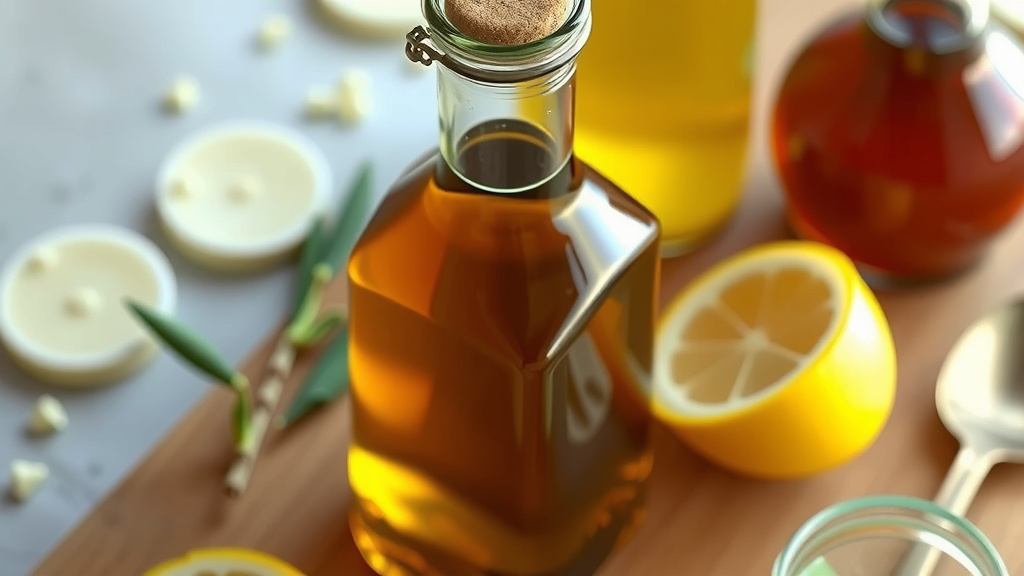
A Quick Comparison Table
| Feature | Olive Oil | Sesame Oil (Toasted) |
|---|---|---|
| Primary Flavor | Mild, fruity, peppery (EVOO) | Rich, nutty, roasted |
| Best Uses | Sautéing, roasting, dressings, marinades | Finishing dishes, dressings, marinades, Asian cuisine |
| Smoke Point | Medium to High | Low |
| Heat Tolerance | Good for most cooking | Best added at the end; avoid high heat |
| Health Benefits | Rich in monounsaturated fats, antioxidants | Healthy fats, some vitamins/minerals |
When to Reach for Which Oil: Your Kitchen Checklist
Feeling a bit clearer on which oil to use? Here’s a quick rundown to help you decide in the moment:
- Is your recipe about delicate flavors? Olive oil is likely your friend.
- Are you making a stir-fry or Asian-inspired dish? Toasted sesame oil is probably key.
- Do you need an oil for high-heat searing? Reach for a heartier olive oil.
- Do you want to add a nutty finish to a salad or soup? A little toasted sesame oil will do wonders.
- Are you whisking up a simple salad dressing? Both work, but olive oil is often the neutral base.
- Are you just starting to learn about oils? Stick with olive oil for general cooking until you feel more adventurous.
So, next time you’re in the kitchen, take a moment to consider the flavor profile and heat requirements of your dish. Both olive oil and sesame oil are fantastic additions to your culinary toolkit, but they each bring something different to the table (literally!).
“`Conclusion
You’ve learned that olive oil and sesame oil are culinary stars, each with a unique role. Olive oil is your reliable base for everyday cooking and raw applications, thanks to its mild flavor and heat tolerance. Toasted sesame oil, however, is your flavor enhancer, best used to add a rich, nutty depth to dishes, especially those inspired by Asian cuisine. We found that understanding their smoke points and flavor profiles is key to using them effectively. Next time you cook, consciously choose the oil that best suits your recipe’s needs, and watch your dishes truly shine!
Frequently Asked Questions
Can I use olive oil for stir-frying Asian dishes instead of sesame oil?
You can, but your dish might miss that signature nutty flavor. Olive oil’s mildness won’t provide the same impact as toasted sesame oil. For general stir-frying, a light sesame oil or a neutral oil like canola might be better if you want some sesame flavor without the toasted intensity, or stick with olive oil if flavor isn’t the primary goal.
Is toasted sesame oil healthy to eat raw in dressings?
Yes, toasted sesame oil is excellent in salad dressings and raw applications. Its healthy fats and antioxidants are preserved when not heated. We found that a little goes a long way to add a wonderful nutty dimension to your vinaigrettes, making simple salads much more interesting.
Which oil is better for heart health: olive oil or sesame oil?
Both oils offer health benefits as part of a balanced diet. Olive oil is particularly praised for its high monounsaturated fat content and antioxidants. Sesame oil also provides healthy fats and certain micronutrients. Experts suggest enjoying both in moderation as part of a heart-healthy eating plan.
What happens if I overheat toasted sesame oil?
Overheating toasted sesame oil can cause its delicate flavor to become bitter and unpleasant. The beneficial compounds can also break down, and the oil can produce smoke and potentially harmful substances. We recommend adding it towards the end of cooking or using it in unheated applications.
Can I substitute light sesame oil for toasted sesame oil?
You can, but the flavor will be significantly different. Light sesame oil has a much milder, less pronounced flavor because it’s made from unroasted seeds. While it has a higher smoke point and can be used for some cooking, it won’t deliver the rich, nutty taste that toasted sesame oil is known for.

![7 Best Extra Virgin Olive Oil For Health And Weight Loss [2026]](https://bestpureessentialoils.com/wp-content/uploads/2026/08/7-best-extra-virgin-olive-oil-for-health-and-weight-loss-2026-featured-768x432.jpg)