How to Know If Your Olive Oil Is Real
Figuring out if your olive oil is the real deal can be tricky, but you can tell if your olive oil is real extra virgin olive oil by looking for certain quality indicators and performing a few simple tests. Often, fake olive oil is watered down or mixed with cheaper oils, so knowing what to look for protects your health and your wallet.
Many bottles on the shelf might not be as pure as they claim. We found that labeling can be misleading, and taste alone isn’t always a reliable guide. Identifying genuine olive oil involves more than just what’s on the bottle; it’s about understanding the production process and common adulteration methods.
- Check the label for “extra virgin” and a harvest date.
- Look for dark glass bottles to protect from light.
- Smell the oil for fresh, grassy, or peppery notes.
- Consider the price; very cheap oil is often suspect.
- Research the brand for transparency and certifications.
Let’s walk through some practical ways you can check your olive oil right at home to make sure you’re getting the pure, flavorful goodness you expect.
Spotting the Real Deal: Your Guide to Authentic Olive Oil
You’ve picked up a bottle of olive oil, excited to add that rich flavor to your meal. But how can you be sure it’s truly extra virgin and not a watered-down imitation? We understand the concern. Many bottles on grocery store shelves can be misleading, so learning to spot the fakes is key to enjoying the best quality and getting your money’s worth.
The good news is that becoming an olive oil detective isn’t as hard as it sounds. You don’t need a fancy lab. We’ve gathered some practical tips and tests you can do right at home. These methods focus on what to look for on the label, how the oil smells and tastes, and even how it feels. Let’s help you become confident in your olive oil choices.
Decoding the Label: Your First Clue
The label is often your first and most important clue. Reputable brands are usually transparent about their product. Look closely at the wording. The gold standard is “Extra Virgin Olive Oil.” This term has strict standards for quality and taste.
Key Label Information to Look For
When you’re examining the bottle, keep an eye out for these specific details. They tell a story about the oil inside.
The “Extra Virgin” Standard
What does “extra virgin” really mean? We found that it signifies the highest grade of olive oil. It’s produced using mechanical methods only, without heat or chemicals. It must also meet specific chemical and sensory standards. These include a very low level of oleic acid (a measure of acidity) and no sensory defects, like musty or rancid flavors. Many food safety organizations, like the International Olive Council (IOC), set these benchmarks.
Harvest and Bottling Dates Matter
Always look for a harvest date. This is more informative than a “best by” date. Olive oil is a fresh product. Its flavor and health benefits diminish over time. An oil harvested recently is likely to be fresher and tastier. We found that oils with a harvest date from the last year or two are generally best. Some premium oils even list the bottling date, which is even better.
Origin and Single Estate
Where did the olives come from? A specific region or even a single estate is a good sign. Labels that say “Product of Italy” or “Product of Spain” can be vague. They might mean the olives were processed there, not necessarily grown there. Look for more precise origins, like “Tuscany, Italy,” or “Single Estate, California.” This suggests more control over the production process.
Beyond the Label: Sensory Tests You Can Do
Even with a great label, your senses are your best tools. We discovered that trusted experts often rely on smell and taste to assess olive oil quality.
The Smell Test: Freshness and Aroma
Before you even taste it, give the oil a good sniff. Pour a small amount into a glass. You can warm it slightly in your hand. Authentic extra virgin olive oil should smell fresh and pleasant. You might detect notes of grass, herbs, fruit, or even flowers. If it smells like crayons, old nuts, or like nothing at all, it’s a warning sign. These indicate oxidation or that the oil is old.
The Taste Test: Flavor and Finish
Tasting is the ultimate test. Take a small sip. Let it coat your tongue. Real extra virgin olive oil will have a flavor profile. It can range from mild and buttery to bold and grassy. You’ll also notice a slight bitterness and a peppery or pungent finish. This “catch” in your throat comes from beneficial compounds like oleocanthal. It’s a sign of high-quality, fresh oil. If the oil tastes bland, waxy, or rancid, it’s likely not the real deal.
Understanding Bitterness and Pungency
Don’t be scared by a little bitterness or a peppery sensation! Many people associate these with high-quality olive oil. Research suggests that the oleocanthal compound, responsible for the peppery sting, has antioxidant and anti-inflammatory properties similar to ibuprofen (Smithsonian Magazine). A lack of these sensations might mean the oil is refined or adulterated.
What About Price and Packaging?
The price tag and the bottle itself can also offer clues. While not foolproof, they often align with the quality of the olive oil inside.
The Price Factor: You Often Get What You Pay For
If a bottle of extra virgin olive oil is incredibly cheap, be suspicious. Producing high-quality extra virgin olive oil is labor-intensive and costly. Olives need to be harvested at their peak and processed quickly. We found that prices significantly below market rate often mean the oil is lower quality, blended, or even fake. Think of it like buying designer clothing; if the price seems too good to be true, it probably is.
Packaging Matters: Protecting the Goodness
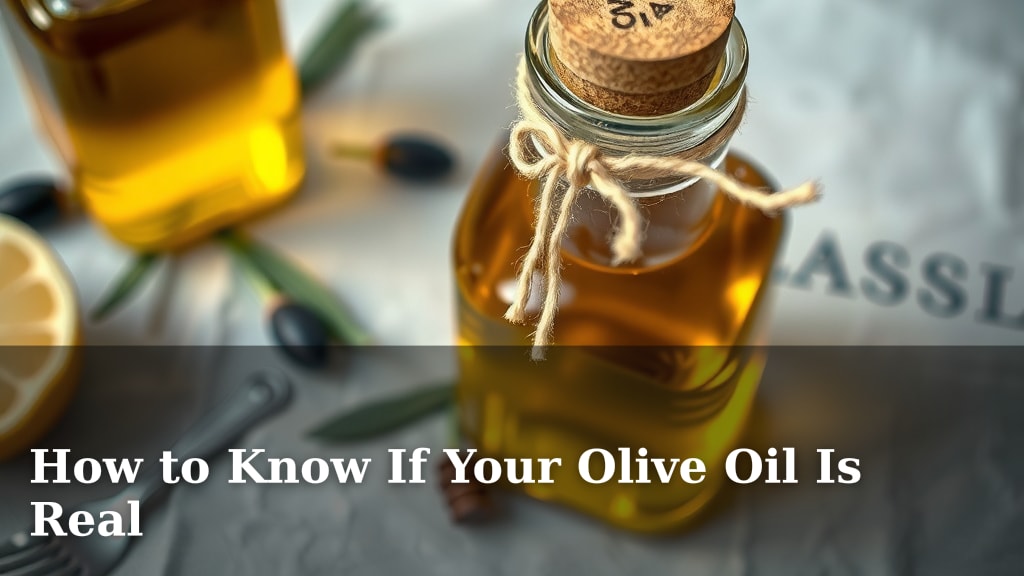
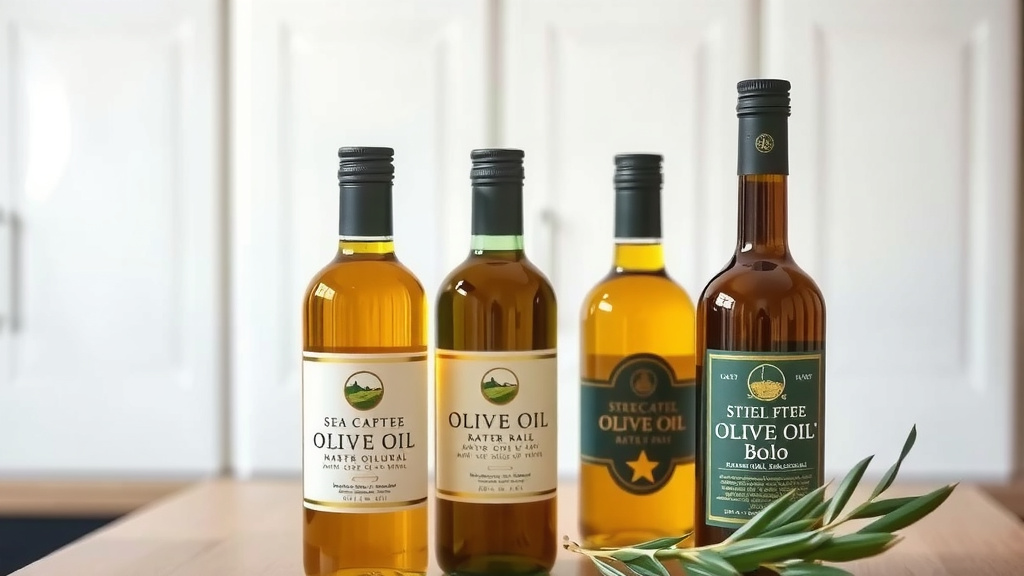
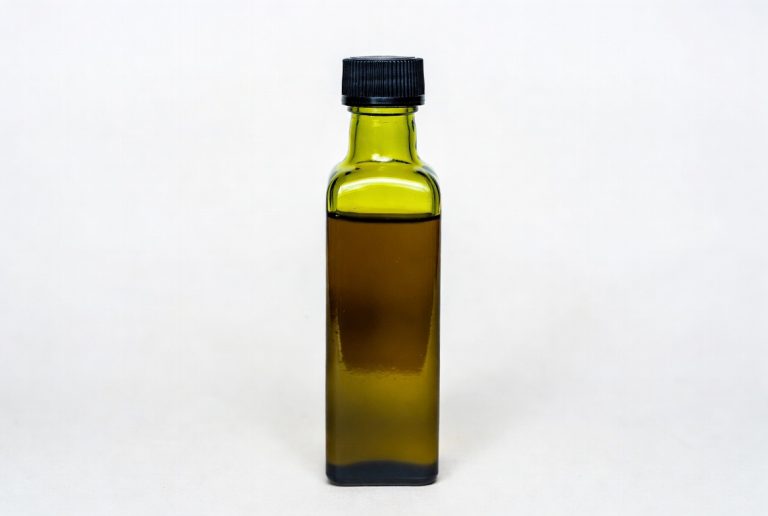
Olive oil is sensitive to light and air, which can degrade its quality. Therefore, look for oils packaged in dark glass bottles (green or brown) or opaque containers. Clear bottles offer no protection. While some brands use clear bottles for aesthetic reasons, they often go to great lengths to ensure freshness. However, for everyday shopping, dark glass is a safer bet. Always make sure the cap is tightly sealed.
Simple Home Tests for Authenticity
Want to do a little more detective work at home? These simple tests can help confirm your suspicions or give you peace of mind.
The Refrigerator Test (Use with Caution)
Some suggest putting your olive oil in the refrigerator for a day. If it solidifies or becomes cloudy, it’s considered real. Why? Because olive oil contains fats that will congeal at cold temperatures. However, this test isn’t perfectly reliable. The composition of olive oil can vary, and some pure oils may not solidify completely. Also, repeatedly chilling and warming the oil can actually harm its quality.
The “Soaking” Test (More Telling)
A more telling, though less scientific, test involves a piece of bread. Dip a piece of good quality, crusty bread into the oil. Real extra virgin olive oil should be absorbed by the bread, leaving it moist but not greasy or oily. If the bread feels slick or the oil just sits on top without soaking in, it might be adulterated with seed oils.
A Quick Checklist for Your Next Purchase
Ready to shop smarter? Keep this quick list handy:
- Check the Label: Always look for “Extra Virgin Olive Oil,” a harvest date, and a clear origin.
- Inspect the Bottle: Opt for dark glass or opaque packaging to protect from light.
- Give it a Sniff: Does it smell fresh, like grass or fruit? Or does it smell off?
- Consider the Price: Extremely low prices can be a red flag for fake or low-quality oil.
- Trust Your Taste Buds: Look for a pleasant flavor with a hint of bitterness and a peppery finish.
- Research the Brand: Look for brands that are transparent about their sourcing and production methods.
Conclusion
You now have the tools to confidently choose authentic extra virgin olive oil. Remember to check your labels for “Extra Virgin,” a harvest date, and a clear origin. Trust your senses by smelling for freshness and tasting for that peppery finish. Keep an eye on the price and packaging, as these often tell a story too. By applying these simple checks, you’re protecting your health and ensuring you get the pure, flavorful olive oil you deserve. Your next shopping trip will be much easier!
Frequently Asked Questions
Is it possible to test olive oil for purity at home?
Yes, you can perform a few simple tests at home to check for olive oil purity. Smelling for fresh, grassy notes and tasting for bitterness and a peppery finish are good indicators. You can also research brands for transparency and look for proper labeling and packaging.
What does the “extra virgin” label actually mean?
“Extra virgin” signifies the highest grade of olive oil, made without chemicals or heat. It must meet strict standards for acidity and have no sensory defects. International organizations set these quality benchmarks for genuine extra virgin olive oil.
Why are harvest dates more important than “best by” dates?
Olive oil is a fresh product, and its flavor and health benefits decrease over time. A harvest date tells you when the olives were processed, indicating freshness. A “best by” date is less specific and doesn’t guarantee the oil’s quality upon purchase.
Can I trust olive oil that is very inexpensive?
Generally, you should be suspicious of extremely cheap olive oil. Producing high-quality extra virgin olive oil is costly. Very low prices often suggest the oil might be blended with cheaper oils, adulterated, or of lower quality overall.
What should fresh olive oil smell and taste like?
Fresh extra virgin olive oil should have a pleasant aroma, reminiscent of grass, herbs, or fruit. When you taste it, expect a flavor profile with a slight bitterness and a noticeable peppery sensation at the back of your throat. This pungency is a sign of beneficial compounds.

![7 Best Olive Oil Brand For Hair [2026]](https://bestpureessentialoils.com/wp-content/uploads/2026/09/7-best-olive-oil-brand-for-hair-2026-featured-768x432.jpg)