
How Is Olive Oil Made Step by Step?
Olive oil is made by crushing ripe olives into a paste and then separating the oil from the solids and water. This traditional process, often called cold pressing, captures the pure essence of the fruit, resulting in the delicious oil you love. It’s a surprisingly straightforward transformation.
The journey from olive grove to your kitchen involves several key stages. Each step is important for ensuring the quality and flavor of the final product. Think of it as a carefully orchestrated dance between nature and a bit of clever machinery to get that liquid gold.
- Harvesting ripe olives is the first step.
- Olives are then cleaned and washed.
- Crushing turns olives into a paste.
- Malaxation blends the paste for oil release.
- Separation extracts the pure olive oil.
Ready to see how your favorite cooking oil comes to life? Let’s walk through exactly how olive oil is made, step by step.
Understanding How Olive Oil is Produced
You might be wondering about the magic that turns olives into that smooth, flavorful oil you pour over salads. It’s a journey that’s been perfected over centuries. We found that the process focuses on gently extracting the oil while preserving its natural goodness.
Step 1: The Olive Harvest
It all begins with the olives themselves. The timing of the harvest is incredibly important. Olives are typically picked when they are mature but still firm, usually in the fall. Some producers might choose slightly greener olives for a more peppery oil, while others wait for darker olives for a milder flavor.
We found that hand-picking is still common for high-quality oils. This method is gentle on the fruit. It helps ensure only the best olives make it to the next stage. Mechanical harvesters are also used, especially in larger groves. They can speed up the process but require careful calibration to avoid damaging the fruit.
Step 2: Cleaning and Washing
Once the olives arrive at the mill, they get a spa treatment. This step is vital for removing any debris. Think leaves, twigs, and dirt. This ensures that no unwanted elements end up in your oil.
The olives are usually washed in large tanks of clean water. This rinses away surface impurities. A clean olive makes for a clean oil. This simple step prevents bitterness and off-flavors from developing later on.
Step 3: Crushing the Olives
Now for the transformation! The olives are crushed to break down their cells. This releases the oil. Historically, large stone wheels were used for this. Modern mills often use hammer crushers or disc crushers.
These machines turn the whole olives, pits and all, into a thick paste. The texture is similar to chunky peanut butter. The goal here is to rupture the oil-bearing cells within the olive pulp. This makes it easier for the oil to separate later.
Step 4: Malaxation – Blending the Paste
This is where the magic starts to happen. The olive paste is slowly mixed in a process called malaxation. It’s like gently stirring a big bowl of cookie dough. This stage is critical for oil droplet aggregation.
As the paste is stirred, tiny oil droplets inside the cells begin to merge. They form larger droplets. This makes them easier to extract. The duration and temperature of malaxation are carefully controlled. Experts say too much heat can damage the oil’s flavor and aroma. Many producers aim for temperatures below 27°C (80°F) for “cold-pressed” oil.
Step 5: Separation – Extracting the Oil
This is the final, crucial step where the oil is separated from the rest of the olive paste. There are a couple of common methods for this.
Centrifuge Separation
Today, most olive oil is made using centrifuges. This is a fast and efficient method. The olive paste is spun at high speeds. This separates the components based on their density.
The oil, being lighter than the water and solid particles, rises to the top. It’s then collected. We found that this method is very effective at capturing oil quickly. This helps preserve freshness.
Decanter System
A common type of centrifuge is a horizontal decanter. It separates the paste into three main outputs: olive oil, vegetation water (a watery liquid containing olive solids), and the solid waste (pomace). This is the most common modern method.
Traditional Pressing (Less Common Now)
Older methods involved using hydraulic presses. The olive paste was spread onto circular mats. These mats were then stacked and squeezed. This forced the oil and water out. The oil would then be collected. While traditional, this method is slower and less efficient than centrifuges.
Step 6: Filtration and Storage
After separation, the oil might go through a final filtration. This removes any remaining tiny particles or moisture. Filtration helps improve the oil’s shelf life and clarity. Some producers choose not to filter, believing it retains more flavor compounds. However, unfiltered oil may not last as long.
The finished olive oil is then stored in stainless steel tanks. These tanks protect it from light and air. Both can degrade the oil’s quality. Proper storage is key to keeping your olive oil fresh and flavorful.
Here’s a quick recap of the journey:
- Olives are harvested at peak ripeness.
- They are thoroughly washed and cleaned.
- Crushing turns olives into a paste.
- Malaxation gently blends the paste.
- Centrifuges separate the oil from solids and water.
- Oil is filtered (optional) and stored carefully.
Conclusion
You’ve now journeyed through the entire olive oil making process. From the careful harvest of ripe olives to the final, careful storage, each step matters. We found that understanding these stages helps you appreciate the quality and flavor in your bottle. You can now better identify what makes a truly great olive oil. Next time you reach for that bottle, you’ll know the care that went into it. Consider trying a single-origin oil from a region whose process you now understand.
Frequently Asked Questions
How long does it take to make olive oil from harvest to bottle?
The actual processing of olives into oil can happen very quickly, often within 24 hours of harvesting. This speed is important for freshness. However, the entire cycle, including growing and harvesting the olives, is seasonal, typically occurring in the fall.
Can I make olive oil at home?
While the basic steps are simple, producing high-quality olive oil at home is challenging without specialized equipment. Modern mills use precise temperature controls and centrifuges that are hard to replicate. You can mash olives, but achieving a pure, stable oil requires industrial machinery.
What makes extra virgin olive oil different from regular olive oil?
Extra virgin olive oil is the highest grade. It’s made using only mechanical methods and has a superior flavor and aroma. We found that it must also meet strict chemical and sensory standards, with no defects and a low acidity level.
Why is temperature control so important in olive oil production?
Temperature control, especially during malaxation and separation, is key to preserving the oil’s delicate flavor and beneficial compounds. Excessive heat can degrade these elements, impacting both taste and quality. Many producers aim for “cold pressing” temperatures, typically below 80°F (27°C).
What happens to the solid parts of the olive after the oil is extracted?
The solid waste left after oil extraction is called pomace. It contains olive skins, pulp, and pit fragments. While it has some uses, like biofuel or animal feed, it’s a byproduct of the oil-making process.

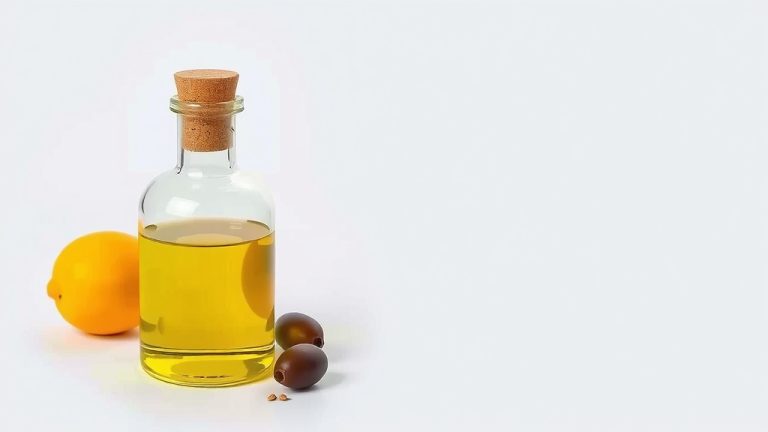
![7 Best Extra Virgin Olive Oil For Skin [2026]](https://bestpureessentialoils.com/wp-content/uploads/2026/08/7-best-extra-virgin-olive-oil-for-skin-2026-featured-768x432.jpg)
One Comment