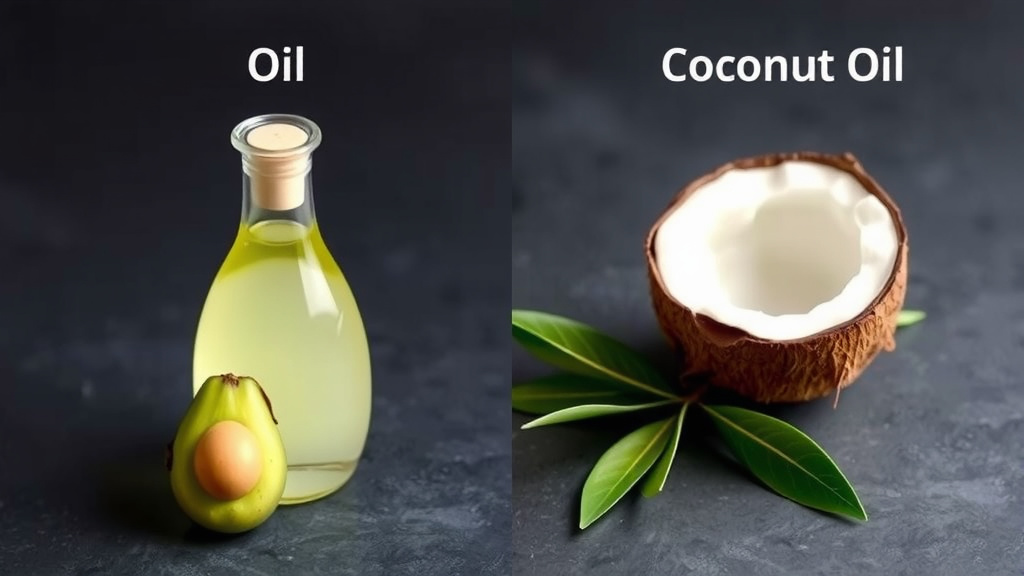
Coconut Oil vs. Virgin Olive Oil: Which is Healthier
When choosing between coconut oil and virgin olive oil, virgin olive oil is generally the better choice for most cooking, especially for delicate flavors and lower to medium-heat applications. Coconut oil, with its distinct tropical taste and higher saturated fat content, shines in specific culinary uses like baking and high-heat searing. Deciding which oil to use depends on your dish and desired outcome.
Both oils offer unique benefits and drawbacks for your kitchen. Virgin olive oil is celebrated for its heart-healthy monounsaturated fats and its ability to add a fruity, peppery note to foods. Coconut oil brings a rich, buttery texture and a potent flavor that can transform dishes, making it a favorite for vegan cooking and certain baked goods. Understanding their smoke points and flavor profiles is key to using them effectively.
TL;DR:
- Virgin olive oil is often best for cooking, especially delicate dishes.
- Coconut oil has a distinct flavor and is great for baking and high heat.
- Consider the smoke point and flavor profile for your recipe.
- Virgin olive oil offers heart-healthy fats.
- Coconut oil adds richness and a tropical taste.
Ready to dive into the delicious details? Let’s walk through exactly how these two popular oils stack up for your cooking needs.
Coconut Oil vs. Virgin Olive Oil: A Kitchen Showdown
You’ve got two fantastic oils in your pantry: coconut oil and virgin olive oil. They both smell amazing and add so much to your cooking. But which one should you reach for? We found that understanding their unique properties is key to picking the right one for your next meal. Let’s break down how they compare so you can cook with confidence.
Understanding the Oils: What’s Inside?
Think of oils as flavor builders and cooking helpers. They can make your food taste better and cook more evenly. Coconut oil and virgin olive oil are both popular, but they come from different sources. They also have different fat compositions and distinct flavors. Knowing this makes choosing the right oil much easier. Our guide compares coconut oil and virgin olive oil to butter for cooking.
The Fatty Acid Breakdown
Fats in oil affect how they behave when heated and how they impact your health. We found that both oils have different dominant fat types.
Virgin Olive Oil’s Healthy Fats
Virgin olive oil is famous for its monounsaturated fats. These are considered heart-healthy. Many health organizations recommend them. For example, the Mayo Clinic often highlights the benefits of monounsaturated fats for heart health. These fats can help improve cholesterol levels when they replace saturated fats in your diet.
Coconut Oil’s Saturated Fat Content
Coconut oil, on the other hand, is rich in saturated fats. About 80-90% of its fat content is saturated. While once thought to be entirely bad, research is ongoing. Some studies suggest that medium-chain triglycerides (MCTs) found in coconut oil might be processed differently by the body (NCBI). However, most dietary guidelines still suggest limiting saturated fat intake overall.
Flavor Profiles: A Tale of Two Tastes
The taste of an oil can totally change a dish. You’ll want to consider this when you’re deciding which to use.
Virgin Olive Oil: Fruity and Peppery
A good quality virgin olive oil has a fresh, fruity aroma. It can taste grassy, herbaceous, or even have a peppery finish. This complexity makes it wonderful for finishing dishes. Drizzled over salads or pasta, it adds a bright, delicious note. You can taste the Mediterranean sunshine in it!
Coconut Oil: Tropical and Buttery
Coconut oil brings a distinct tropical, sweet flavor. It’s often described as buttery or nutty. Refined coconut oil has less flavor, but virgin coconut oil really lets its coconut essence shine. This makes it a great choice when you want that specific taste profile in your food.
Cooking Performance: Heat and Smoke Points
How an oil behaves under heat is super important. Reaching the smoke point can create unpleasant flavors and harmful compounds. We looked at how these two oils handle the heat.
Smoke Points: What’s the Limit?
The smoke point is the temperature at which an oil starts to burn and smoke. Using oil below its smoke point is crucial for healthy cooking.
Virgin Olive Oil’s Smoke Point
Virgin olive oil generally has a smoke point of around 375-405°F (190-207°C). This is good for most everyday cooking. It works well for sautéing vegetables, roasting chicken, or pan-frying fish at medium to medium-high heat. You can comfortably use it for many recipes without worrying about burning.
Coconut Oil’s Smoke Point
Virgin coconut oil typically has a smoke point around 350°F (177°C). Refined coconut oil can go higher, often up to 400°F (204°C). The lower smoke point of virgin coconut oil means it’s best for lower to medium-heat cooking or for applications where you don’t need super high heat. Baking is a common use.
Best Uses for Each Oil in Your Kitchen
Now, let’s talk about putting these oils to work. What dishes do they truly excel in?
Virgin Olive Oil: Salads, Dressings, and Finishing
We found that virgin olive oil truly shines when it’s used uncooked or with gentle heat. Its flavor is delicate. It’s perfect for salad dressings, marinades, and drizzling over finished meals like soups or pasta. It adds a wonderful richness and flavor. Think of it as a flavorful seasoning as much as a cooking fat.
Coconut Oil: Baking and High-Heat Searing
Coconut oil is a star in baking. Its solid state at room temperature can be useful in some recipes. It also adds a lovely moistness and texture to baked goods like cookies and cakes. For high-heat cooking, refined coconut oil is often preferred due to its higher smoke point. Some people use virgin coconut oil for searing meats because its flavor can add a delicious crust. However, be mindful of its smoke point.
Comparing Key Features at a Glance
Sometimes a simple table helps you see the differences clearly. Here’s a quick comparison:
| Feature | Virgin Olive Oil | Virgin Coconut Oil |
|---|---|---|
| Main Fat Type | Monounsaturated | Saturated |
| Flavor | Fruity, Peppery, Grassy | Tropical, Sweet, Buttery |
| Smoke Point (approx.) | 375-405°F (190-207°C) | 350°F (177°C) |
| Best Uses | Salads, dressings, finishing, low-medium heat sautéing | Baking, low-medium heat sautéing, specific flavor dishes |
Making the Right Choice for Your Recipe
So, how do you decide? Think about the final taste and texture you want. Consider the cooking temperature. You don’t want to burn your oil, and you want the flavors to complement each other.
We’ve seen that virgin olive oil is often the go-to for its health benefits and its ability to enhance, not overpower, delicate dishes. It’s a workhorse for many home cooks. Coconut oil is more of a specialist, perfect when you’re aiming for a specific tropical or buttery profile. It’s also fantastic for vegan baking.
Your Cooking Checklist
Here’s a quick guide to help you pick:
- For salads and dressings: Reach for virgin olive oil.
- For baking: Coconut oil is often a delicious choice.
- For a delicate, savory dish: Virgin olive oil usually wins.
- When you want a tropical flavor: Coconut oil is your friend.
- For high-heat searing: Consider refined coconut oil or other high-smoke-point oils.
- If you need a neutral oil: Neither of these are truly neutral, but refined oils are better options.
Conclusion
You’ve learned that both virgin olive oil and coconut oil bring unique strengths to your kitchen. Virgin olive oil is your versatile go-to for heart-healthy cooking, adding delicate flavors to dressings and finishing dishes. Coconut oil shines when you crave a tropical taste or need a specific texture in baking. We found that understanding their smoke points and flavor profiles is key to mastering them.
To make the best choice, simply ask yourself: what flavor do I want, and how hot will I be cooking? Using this simple checklist will help you select the perfect oil for your next culinary creation. Happy cooking!
Frequently Asked Questions
Can I use virgin olive oil for high-heat frying?
Generally, no. Virgin olive oil has a moderate smoke point, making it best for sautéing and lower-heat cooking. For high-heat frying, you’d be better off with a refined oil like refined coconut oil or avocado oil to avoid burning and unpleasant flavors.
Does coconut oil taste strong in baked goods?
Yes, virgin coconut oil has a distinct tropical flavor that can be delicious in many baked goods like cookies or cakes. If you prefer a more neutral taste, consider using refined coconut oil, which has a much milder flavor.
Which oil is better for salad dressings?
Virgin olive oil is typically the preferred choice for salad dressings. Its fruity, peppery notes add a wonderful depth of flavor that complements fresh greens beautifully.
Are saturated fats in coconut oil bad for you?
The saturated fat content in coconut oil is high, and dietary guidelines often recommend limiting saturated fat intake. While research on the specific effects of MCTs in coconut oil is ongoing, moderation is generally advised.
Can I substitute coconut oil for butter in baking?
Yes, you often can! Coconut oil can be a great vegan substitute for butter in many baking recipes, offering a similar richness and texture. You may need to adjust the amount depending on the recipe.

![7 Best Ev Olive Oil [2026]](https://bestpureessentialoils.com/wp-content/uploads/2026/07/7-best-ev-olive-oil-2026-featured-768x432.jpg)