Avocado Oil vs Olive Oil Cholesterol: The Best Choice for Heart Health
Navigating the grocery store’s oil section in 2026 can still feel like a culinary crossroads, with avocado and olive oil bottles vying for your attention and your heart health. You’re likely pondering which liquid gold truly reigns supreme for managing cholesterol. It’s a question that resonates, and the good news is, both have earned their status in modern kitchens. While they both contribute to a heart-smart diet, understanding their subtle differences is key to making the best choice for your well-being.
Let me be straight with you: understanding the relationship between cooking oils and cholesterol isn’t complicated once you break it down. In this guide, I’m going to walk you through everything you need to know about avocado oil and olive oil, how they affect your cholesterol, and most importantly, which one might be the better choice for your specific health goals.
Outline of What We’ll Cover
- Understanding cholesterol and why it matters
- What exactly is avocado oil?
- What exactly is olive oil?
- Nutritional profiles compared
- How avocado oil affects cholesterol
- How olive oil affects cholesterol
- The smoke point factor
- Which oil is better for cooking methods
- Cost considerations
- Taste and culinary uses
- Heart health benefits beyond cholesterol
- Real-world recommendations
- Conclusion and final thoughts
- Frequently asked questions
Understanding Cholesterol and Why It Actually Matters
Before we jump into comparing oils, let’s get clear on what cholesterol really is. Think of cholesterol as a substance your body produces naturally, and it’s not inherently evil. Your liver makes cholesterol because your body actually needs it for hormone production, vitamin D synthesis, and creating cell membranes. The problem starts when you have too much of it in your bloodstream.
The Good, the Bad, and the Ugly of Cholesterol
There are two main types of cholesterol floating around in your body: LDL (low-density lipoprotein) and HDL (high-density lipoprotein). LDL is often called “bad cholesterol” because it can build up in your arteries like plaque on teeth, restricting blood flow. HDL, on the other hand, is your friend—it’s called “good cholesterol” because it actually helps remove LDL from your arteries.
When we talk about oils affecting cholesterol, what we’re really discussing is how different fats influence these two types. The oils you cook with can either help raise your HDL levels and lower your LDL, or they can do the opposite. That’s why choosing the right oil matters more than you might think.
What Exactly Is Avocado Oil?
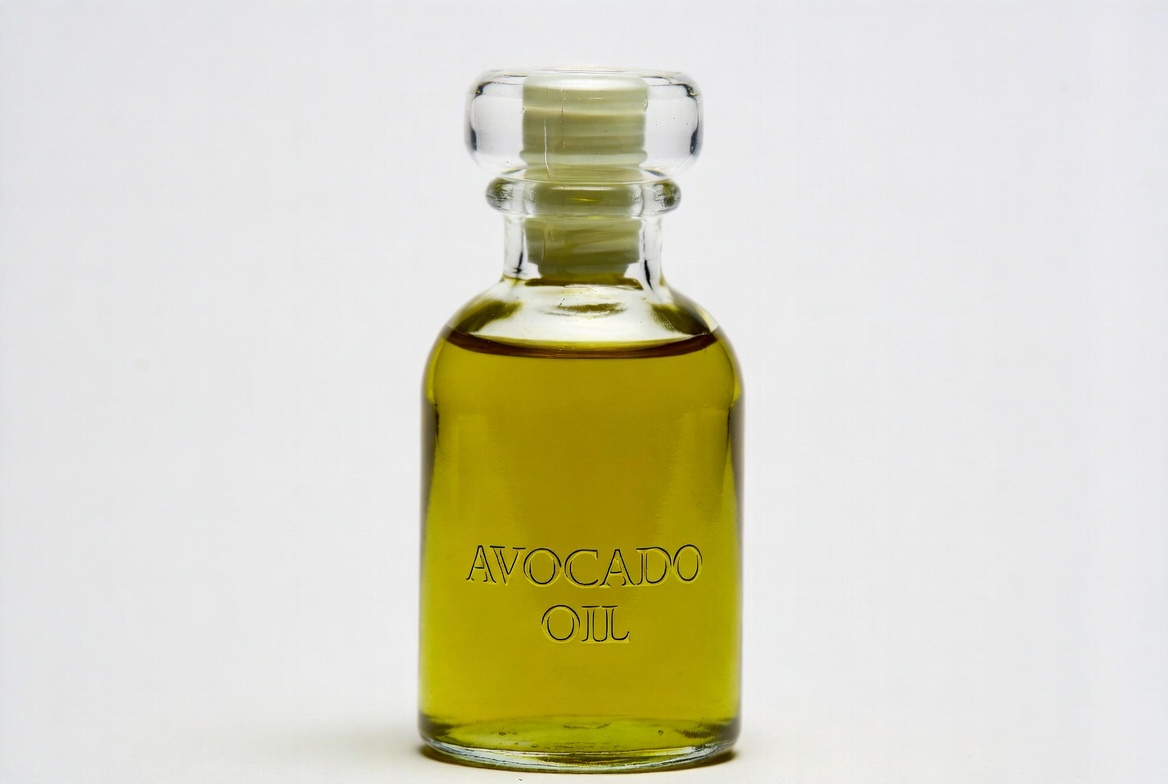
Avocado oil comes from the fleshy part of the avocado fruit, not the pit. If you’ve ever cut open an avocado, you know that creamy, green flesh is incredibly rich in natural oils. This oil is extracted through pressing, similar to how olive oil is made, and it retains many of the nutritional benefits of the whole fruit.
How Avocado Oil Is Produced
Most quality avocado oil goes through a cold-pressing process, which means no heat is applied during extraction. This method preserves the oil’s nutritional content and delicate flavor profile. Some commercial producers use centrifugal separation, which is also a relatively gentle method. The result is an oil that’s green in color and has a subtle, slightly nutty taste.
When you buy avocado oil, you’re getting a product that’s been used by people in Central America and Mexico for centuries. It’s not some newfangled health trend—it’s a traditional food that’s now gaining recognition around the world.
What Exactly Is Olive Oil?
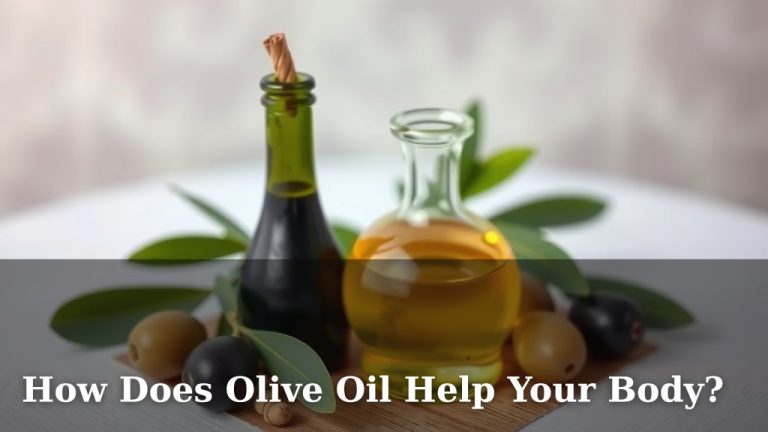
Olive oil is pressed from the fruit of olive trees, which have been cultivated in Mediterranean regions for thousands of years. When you see “extra virgin olive oil” on a label, that means it’s the first pressing of the olives and hasn’t been chemically processed. It’s basically the purest form you can get.
The Mediterranean Legacy
People in countries like Greece, Italy, and Spain have been cooking with olive oil for millennia, and not coincidentally, they’ve also had some of the lowest rates of heart disease in the world. There’s strong research suggesting that the Mediterranean diet, which centers on olive oil as a primary fat source, contributes to better cardiovascular health overall.
Nutritional Profiles: Side-by-Side Comparison
Let’s talk numbers for a moment. Understanding the nutritional makeup of each oil will help you see why they affect your body differently.
Avocado Oil Nutrition Facts (Per Tablespoon)
- Calories: 120
- Total fat: 14 grams
- Saturated fat: 1 gram
- Monounsaturated fat: 10 grams
- Polyunsaturated fat: 1.5 grams
- Vitamin E: 15% of daily value
- Lutein: Present in significant amounts
Olive Oil Nutrition Facts (Per Tablespoon)
- Calories: 120
- Total fat: 14 grams
- Saturated fat: 2 grams
- Monounsaturated fat: 10 grams
- Polyunsaturated fat: 1.5 grams
- Vitamin E: 10% of daily value
- Polyphenols: Powerful antioxidants present
See what I mean? They’re remarkably similar. Both are predominantly monounsaturated fats, which are the type of fats that help support healthy cholesterol levels. The real differences lie in the micronutrients and the way your body processes them.
How Avocado Oil Affects Your Cholesterol Levels
Here’s where avocado oil really shines for cholesterol management. The monounsaturated fat content in avocado oil is actually higher than most other oils, making up about 71% of its total fat content. This is significant because monounsaturated fats have been shown in numerous studies to help lower LDL cholesterol while maintaining or even raising HDL cholesterol.
The Research Behind Avocado Oil and Cholesterol
Studies have shown that people who incorporate avocado oil into their diet experience measurable improvements in their lipid profiles. One key advantage is that avocado oil contains compounds called phytosterols, which are plant-based substances that actively compete with dietary cholesterol in your digestive system, preventing some of that cholesterol from being absorbed into your bloodstream.
Additionally, avocado oil contains lutein and zeaxanthin, antioxidants that protect your cardiovascular system from oxidative stress. When LDL cholesterol gets oxidized (exposed to free radicals), it becomes even more dangerous to your arteries. By preventing this oxidation, avocado oil offers protection beyond just lowering cholesterol numbers.
Avocado Oil and Inflammation
Here’s something many people don’t realize: inflammation in your arteries is a major risk factor for heart disease, sometimes even more important than cholesterol levels themselves. Avocado oil contains compounds that have anti-inflammatory properties, helping to calm the inflammatory response in your body. This makes it particularly beneficial if you’re dealing with cardiovascular concerns.
How Olive Oil Affects Your Cholesterol Levels
Olive oil has been the subject of more scientific research than almost any other food. The evidence is overwhelming: olive oil is genuinely excellent for heart health and cholesterol management. The Mediterranean diet studies consistently show that regular olive oil consumption correlates with better cholesterol profiles.
The Polyphenol Advantage
What makes olive oil particularly special is its polyphenol content. These are powerful antioxidants that only olive oil really provides in significant quantities. When you drink a glass of extra virgin olive oil—and yes, some people actually do this for health—you’re consuming compounds that act like tiny warriors protecting your cardiovascular system from damage.
These polyphenols have been shown to reduce inflammation, improve blood vessel function, and help prevent LDL cholesterol from becoming oxidized. In fact, the antioxidant power of extra virgin olive oil is comparable to some medications used to reduce inflammation.
Olive Oil and Arterial Health
Studies specifically examining olive oil’s effects show that it improves the function of the endothelium—that’s the delicate lining of your blood vessels. When your endothelium works properly, your blood vessels stay flexible and can expand and contract as needed, improving blood flow throughout your body. This is huge for preventing heart attacks and strokes.
The Smoke Point Factor: Why It Matters More Than You Think
This is where I see a lot of confusion, and I want to clear it up for you. The smoke point is the temperature at which an oil starts to break down and smoke. It’s crucial for heart health because when oils break down at high temperatures, they create compounds that can actually increase inflammation and oxidative stress in your body.
Avocado Oil Smoke Point
Avocado oil has one of the highest smoke points of any cooking oil: around 500°F (260°C). This makes it incredibly versatile. You can use it for high-heat cooking like stir-frying, sautéing, and even deep-frying without worrying about it breaking down and creating harmful compounds. For people who do a lot of cooking at high temperatures, this is a major advantage.
Olive Oil Smoke Point
Extra virgin olive oil has a lower smoke point, typically between 375°F and 405°F (190°C to 207°C). Regular olive oil (not extra virgin) can handle temperatures up to about 465°F (240°C). This means you shouldn’t use extra virgin olive oil for high-heat cooking. It’s best suited for low to medium heat, finishing dishes, drizzling, and salad dressings.
Why This Matters for Cholesterol
If you use olive oil for high-heat cooking, it breaks down and creates oxidized compounds that can actually increase LDL cholesterol levels and create inflammation. So if you’re planning to use an oil for high-temperature cooking and want to protect your cholesterol levels, avocado oil is genuinely the better choice.
Which Oil Is Better for Your Cooking Methods
Here’s the practical answer: you might actually want both oils in your kitchen for different purposes.
Use Avocado Oil When:
- You’re cooking at high temperatures
- You’re stir-frying vegetables or proteins
- You’re sautéing mushrooms or other vegetables
- You’re roasting at high temperatures
- You want a neutral flavor that doesn’t compete with other ingredients
Use Olive Oil When:
- You’re making salad dressings
- You want to drizzle oil over finished dishes
- You’re cooking at low to medium heat
- You want the flavor of olive oil to come through
- You’re dipping bread
- You’re making vinaigrettes
Cost Considerations: What Your Wallet Needs to Know
Let’s be honest—price matters when you’re buying groceries. Avocado oil is typically more expensive than olive oil, sometimes two to three times the price. A bottle of quality extra virgin olive oil might cost you eight to fifteen dollars, while a similar-sized bottle of avocado oil could run you fifteen to thirty dollars.
The question is: is the extra cost worth it? That depends on your cooking habits. If you do a lot of high-heat cooking, avocado oil might actually save you money in the long run because you won’t need to replace it as frequently (since it doesn’t break down as easily). But if you primarily cook at low to medium heat, regular olive oil offers better value and still provides excellent heart health benefits.
Taste and Culinary Uses
Here’s something that affects whether you’ll actually use these oils consistently: taste matters.
Avocado Oil Flavor Profile
Avocado oil has a subtle, slightly buttery flavor that’s almost neutral. This makes it perfect for cooking because it doesn’t overpower other ingredients. Some people describe it as having a light, grassy note. It works beautifully in recipes where you want the natural flavors of ingredients to shine through.
Olive Oil Flavor Profile
Extra virgin olive oil has a distinctive, robust flavor. You taste grassiness, sometimes peppery notes, and a fruity undertone. Some people love this—it’s why they drizzle it on soups and salads. Others find it overpowering in certain dishes. The flavor is part of what makes it special, but it’s also why you can’t use it for everything.
Heart Health Benefits Beyond Just Cholesterol
Remember, cholesterol is just one piece of the heart health puzzle. Both oils offer benefits that go beyond cholesterol management.
Blood Pressure and Arterial Function
Studies show that both avocado oil and olive oil can help improve blood pressure readings. They do this by improving the flexibility of blood vessels and reducing overall arterial stiffness. This is particularly important as we age.
Anti-Inflammatory Effects
Chronic inflammation is linked to almost every major disease, including heart disease. Both oils possess anti-inflammatory properties, but olive oil’s polyphenols are particularly potent in this regard. If inflammation is a concern for you, olive oil might have a slight edge.
Blood Clotting and Thrombosis Prevention
There’s evidence that both oils can help prevent inappropriate blood clot formation, which is essential for preventing strokes and heart attacks. The monounsaturated fats in these oils help keep blood platelets less sticky, reducing the risk of dangerous clots.
Real-World Recommendations for Your Situation
If You Want to Lower LDL Cholesterol Quickly
Use both oils regularly, but prioritize olive oil. The polyphenol content gives it an extra edge for rapid cholesterol improvement. Replace any refined oils in your diet with olive oil for salad dressings, drizzling, and low-heat cooking.
If You Do a Lot of High-Temperature Cooking
Make avocado oil your primary cooking oil. Its high smoke point means you’re not creating harmful compounds every time you cook dinner. This actually protects your cholesterol levels better than using a lower smoke point oil that breaks down and creates oxidized products.
If You Have a Limited Budget
Go with olive oil. It’s cheaper, the research is incredibly solid, and it covers most cooking scenarios if you adjust your cooking methods accordingly. You don’t need avocado oil to achieve excellent heart health.
If You Want the Best of Both Worlds
Use olive oil for most of your cooking and sal